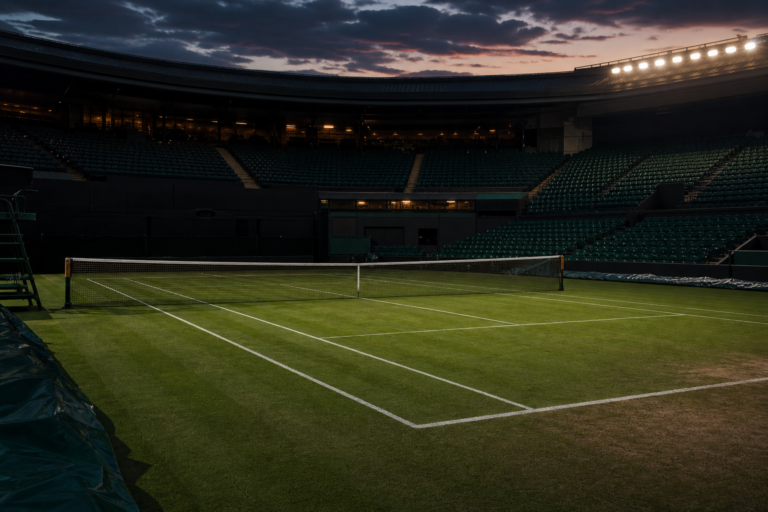
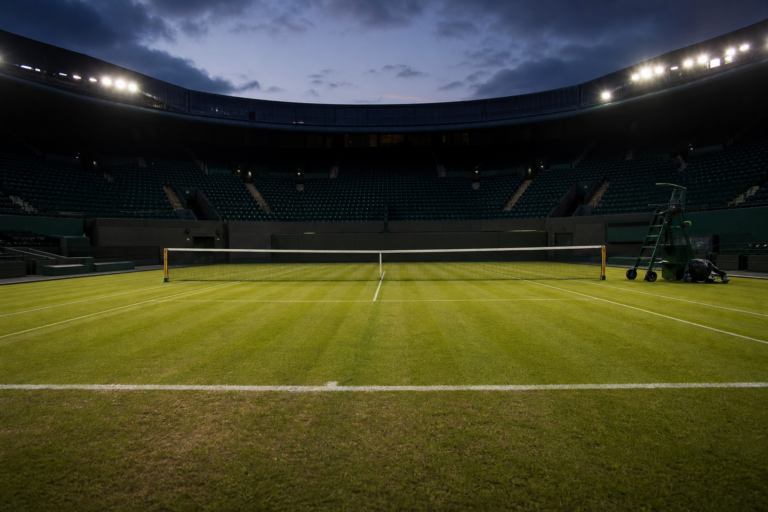
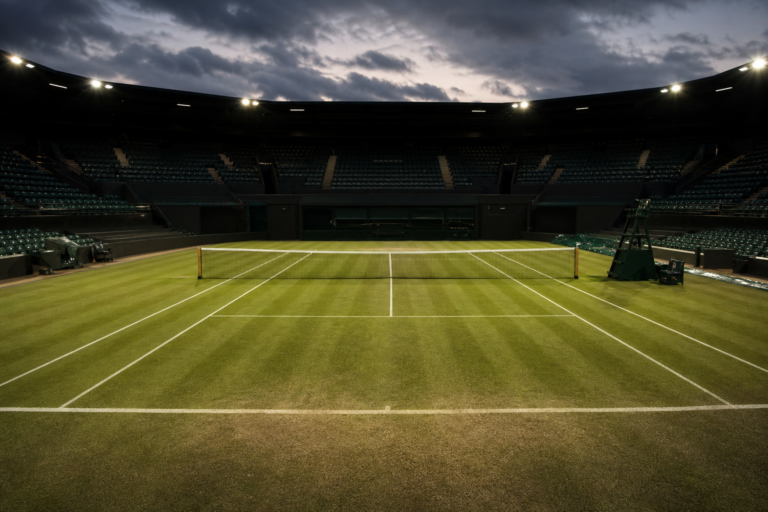
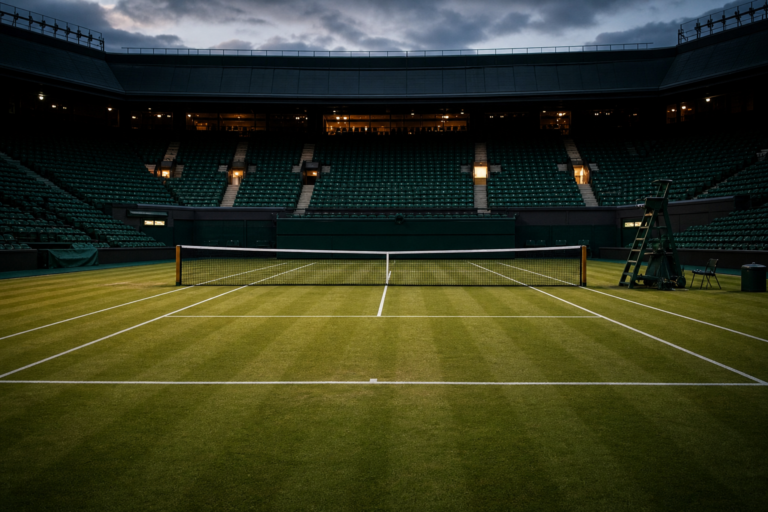
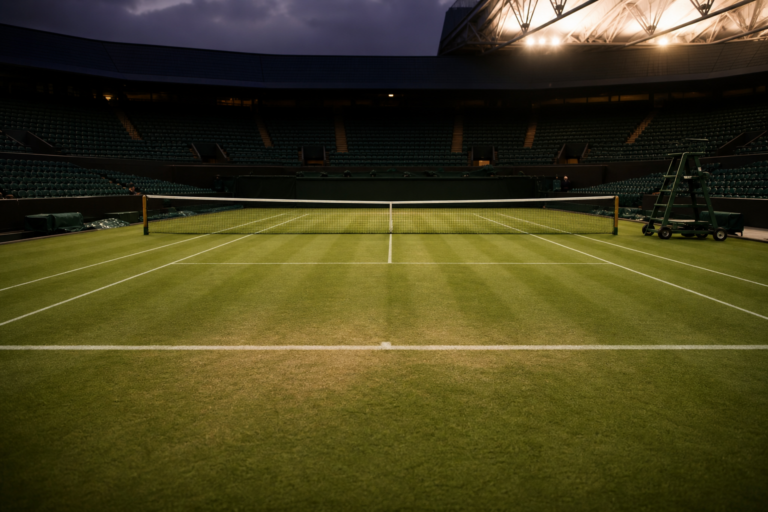
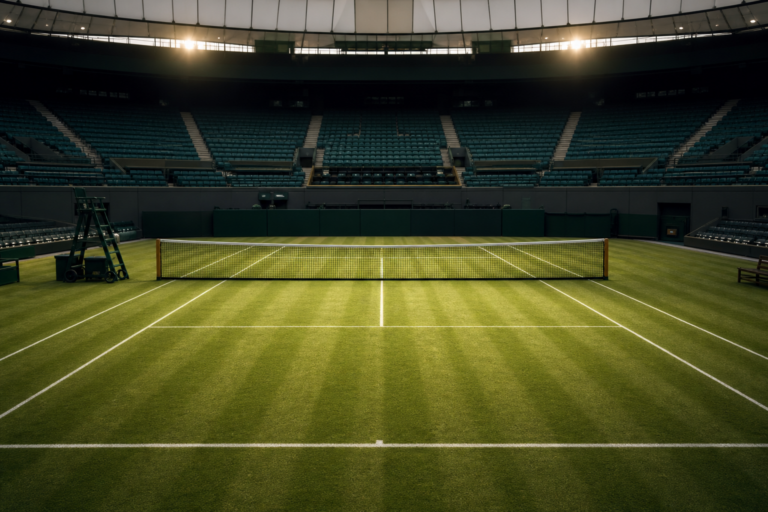
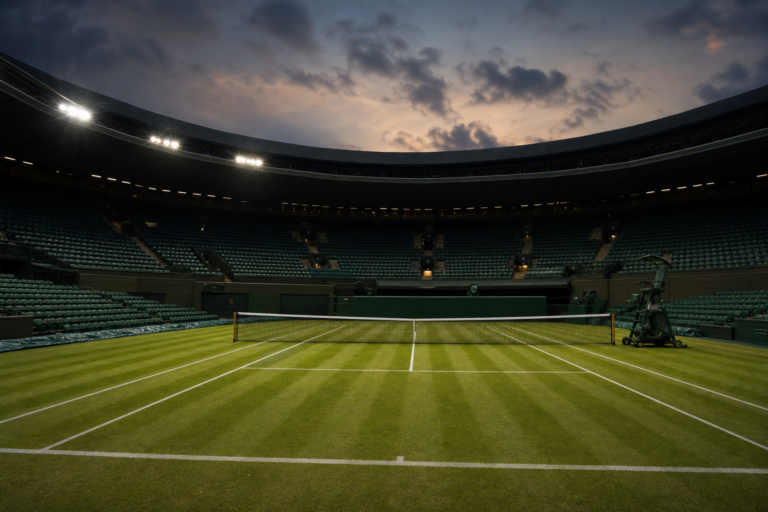
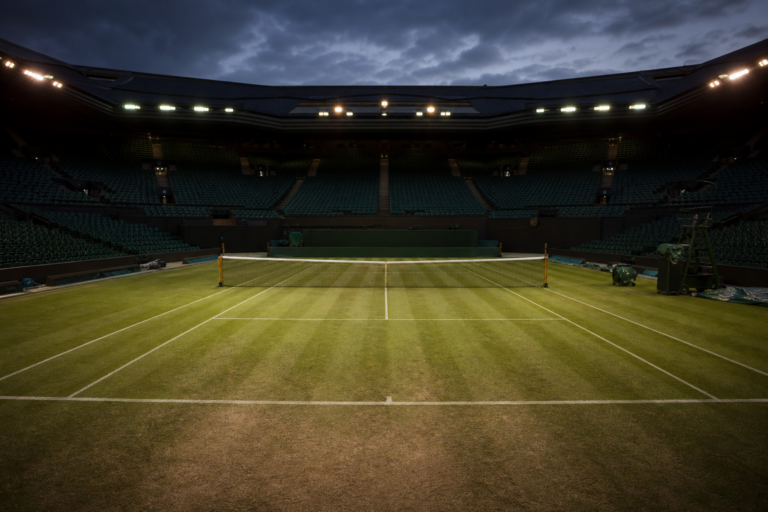
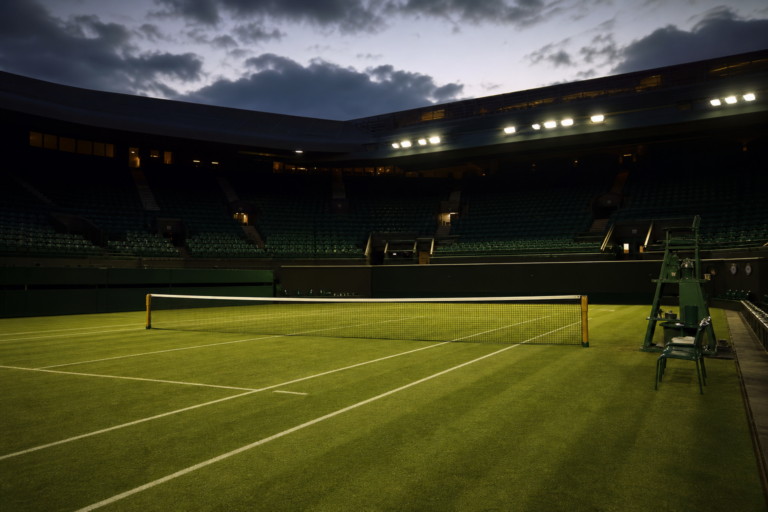
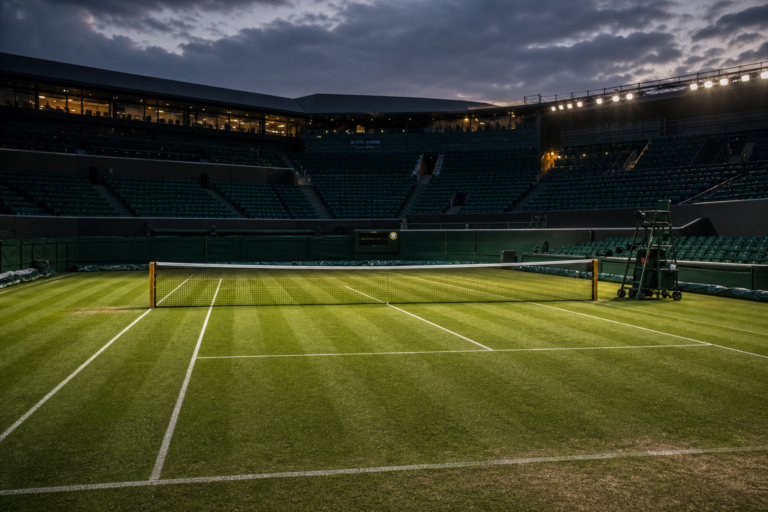
Court 14 at Wimbledon, 30 June 2026: Harry Wendelken walked out onto the grass for his very first Grand Slam main-draw appearance — and immediately gave the home crowd something to cheer about. The 24-year-old Briton from Horseheath in Cambridgeshire, ranked 202nd in the world, had earned his place in the draw on the back of an impressive run of early-season form, including wins over two top-100 players. Valentin Royer, by contrast, was the more experienced man on this surface. In the end, the Frenchman completed a comeback victory 4–6, 6–3, 6–3, 6–3 and moves into the second round.
Wendelken starts strongly, Royer finds his footing
Wendelken was composed throughout the opening set. Driven on by a vocal home crowd, he played clean, clean tennis — holding serve comfortably and capitalising on the Frenchman's early uncertainty. He wrapped up the set 6–4 in just over 40 minutes, a remarkable opening statement from a player who had fallen in Wimbledon qualifying as recently as 2023.
Royer, who had knocked out Stefanos Tsitsipas in the first round at this tournament the previous year, looked out of rhythm in the opener. But from the second set onwards, the picture changed noticeably. He became more compact and composed in the baseline exchanges, and his serve clicked into gear — 63 per cent of first serves landed in the box, giving him the control he needed.
The break as turning point — Royer never lets go
In the second set, Royer ground out an early break after a gruelling service game that lasted around eight minutes — and he never looked back. Wendelken had no answer, and the set went to the Frenchman 6–3.
The third set was more evenly contested until the decisive moment arrived: Wendelken double-faulted at the worst possible time at 3–4, handing Royer the break and, ultimately, another 6–3 set. In the fourth and final set, Wendelken briefly reignited hopes by breaking Royer's serve for a 2–1 lead — but Royer hit back immediately with a re-break. When Wendelken failed to convert a break point at 3–4, the momentum had swung irrevocably. Royer then served out the match without dropping a single point.
The statistics paint a clear picture of how the match unfolded after the first set: Royer struck nine aces, converted 50 per cent of his break points and held serve in 89 per cent of his service games. Wendelken converted just 25 per cent of his break points and ended up losing 53 per cent of all points played.
Wendelken holds his head high — Royer may face Zverev next
For Harry Wendelken, a first-round exit nonetheless represents a personal milestone: he had never previously reached a Grand Slam main draw. His performance on Court 14 showed he can compete at this level — at least for a set, and against a player ranked inside the world's top 60.
For Valentin Royer, the victory further underlines his credentials on grass. Having been eliminated in the second round at Wimbledon 2025 by fellow Frenchman Adrian Mannarino, he will be aiming to go further this time. Standing potentially in his way in the second round is tournament favourite and second seed Alexander Zverev — a challenge of an entirely different magnitude, though one Royer can approach with genuine confidence after this commanding comeback win.