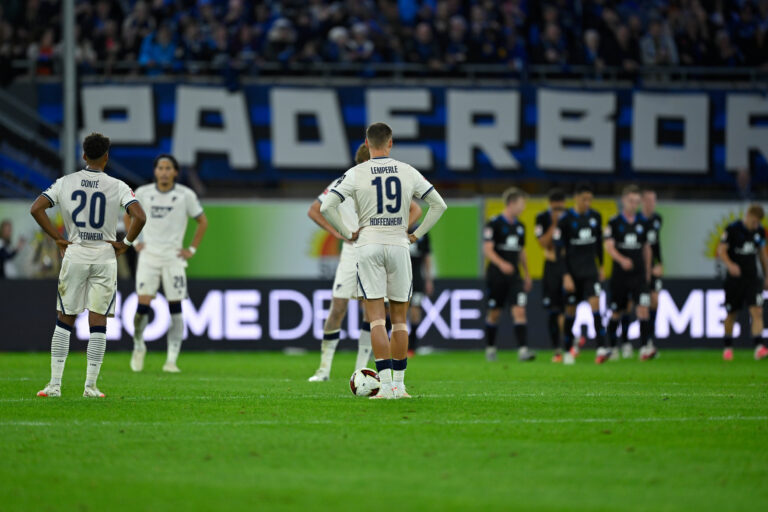
Germany controlled long spells of the game but struggled to find clear solutions against a compact Greek defence. The visitors defended with discipline, survived Germany’s strongest period after half-time and then exploited one of the spaces that opened up as the hosts committed more players forward.
Klopp makes five changes to his starting XI
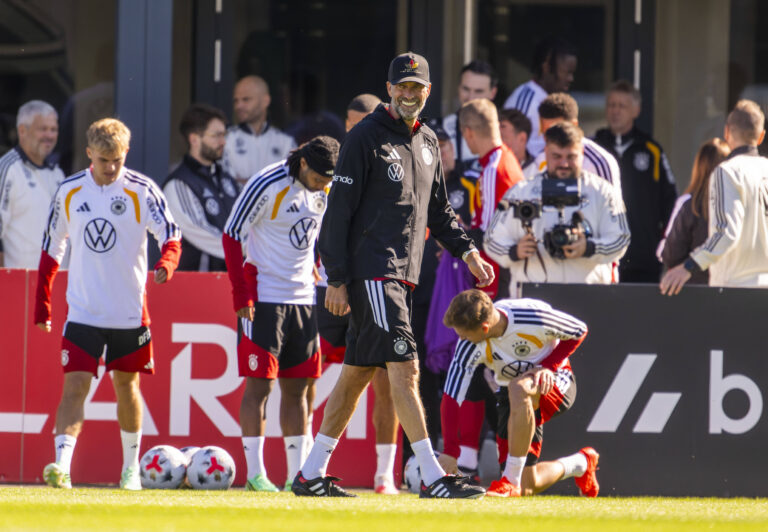
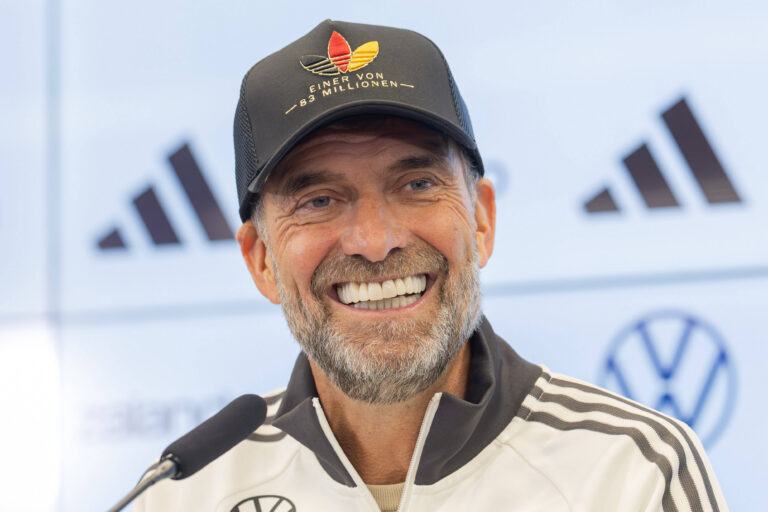
Following the 1-1 draw with the Netherlands, Klopp made five changes. Alexander Nübel replaced Marc-André ter Stegen in goal, while Josha Vagnoman, Yann Aurel Bisseck, Bambasé Conté and Younes Ebnoutalib also came into the side. Florian Wirtz started on the bench, while Jamal Musiala and Kai Havertz were unavailable through injury.
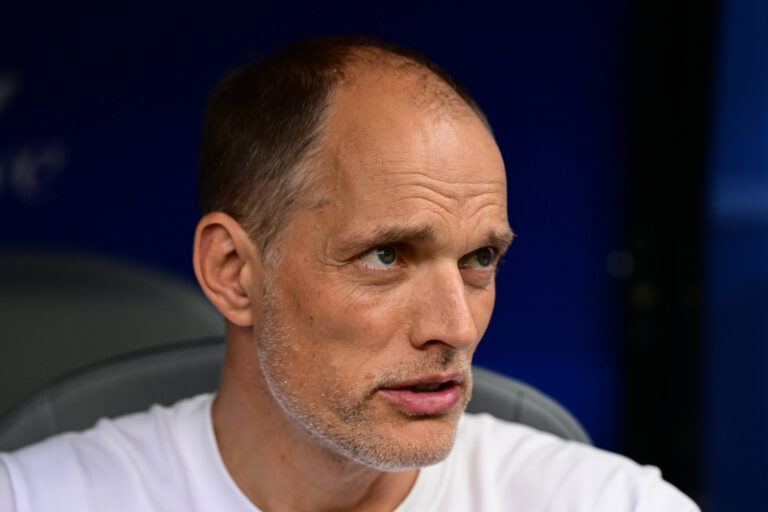
Germany lined up in a 4-2-3-1 with Joshua Kimmich and Felix Nmecha in front of the defence. Adeyemi, Conté and Schade supported Ebnoutalib. Greece coach Ivan Jovanović opted for a compact 4-4-2 featuring Vangelis Pavlidis and Andrews Tetteh up front. Compared to the game in Amsterdam, Germany looked far less settled, particularly in the final third.
Greece’s compact shape frustrates Germany
Jovanović did not ask his team to press high throughout. Greece generally dropped back towards the halfway line, kept the two banks of four close together and focused on closing the central spaces. Germany were allowed to circulate possession, but finding players between the lines was made deliberately difficult.
Kimmich regularly dropped deep to dictate play as the full-backs pushed higher. That was where Germany’s main problem became apparent: they had plenty of possession but struggled to find free players behind the Greek midfield. Many attacks moved around the outside of the block without enough tempo to disrupt its structure.
Conté sent an early effort narrowly wide. Germany looked more threatening when they attacked quickly after winning the ball. Following a Greek set piece in the 27th minute, Kimmich released Adeyemi into space, but the winger fired over. Soon afterwards, Adeyemi forced Konstantinos Tzolakis into a save. Germany’s best moments therefore came less from extended possession and more when Greece temporarily lost their defensive shape.
Germany raise the tempo after the break
The hosts increased the intensity after half-time. Their press began higher up the pitch, the distances between midfield and attack became shorter and Germany looked to reach the penalty area more directly. Conté won possession near the Greek box in the 49th minute and tested Tzolakis with a low shot. Shortly afterwards, the goalkeeper also kept out a dangerous Kimmich free-kick.
Nmecha then had a good opportunity after Adeyemi drove inside at pace, but his effort went wide. Germany were now applying significantly more pressure, although the final pass and finishing remained too imprecise.
Jovanović responded shortly before the hour mark by introducing Kourbelis and Fotis Ioannidis. The changes gave Greece greater stability through the middle and fresh options on the counter. Klopp soon brought on Wirtz and Jonathan Burkardt for Conté and Schade in an attempt to add creativity and more presence inside the penalty area.
Kourbelis punishes Germany’s growing risk
The more aggressively Germany pushed for the opening goal, the more space appeared behind their first line of pressure. Greece almost exploited it in the 67th minute when Kimmich lost possession deep inside his own half. Pavlidis immediately launched the counter and found Ioannidis in space, but the substitute sent his effort narrowly wide.
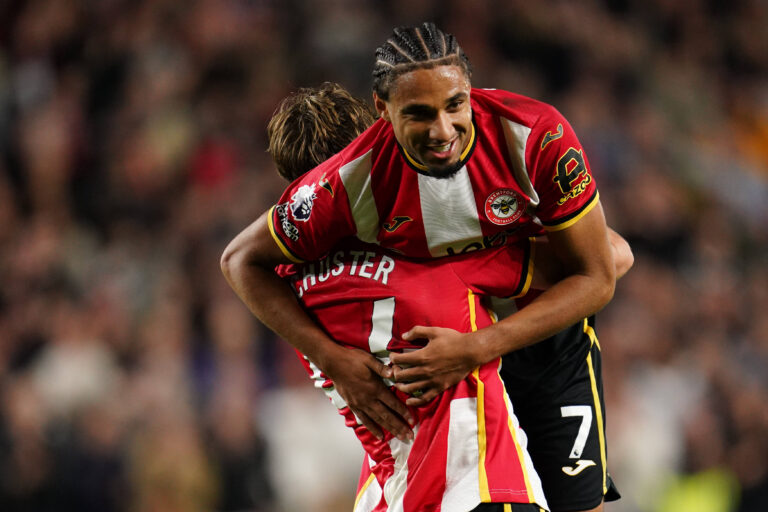
Seven minutes later, the breakthrough arrived. Greece worked the ball forward through Pavlidis and Christos Tzolis. Tzolis advanced down the left towards the penalty area before cutting the ball back into the middle, where Kourbelis met it. His low shot took a decisive deflection off Kimmich, leaving Nübel with no chance.
Germany had to take even greater risks after falling behind. Klopp introduced Gnabry and later Anton Stach and Hennes Behrens. The patient build-up increasingly gave way to direct attacks and crosses, but that was precisely the type of pressure Greece were equipped to defend.
Tzolakis and Mavropanos preserve the victory
Bisseck headed wide from a cross, while Gnabry forced Tzolakis into another important save from close range. Greece offered little else in the closing stages. Mavropanos was particularly dominant inside his own penalty area, registering 13 clearances and three successful tackles. Alongside him, Retsos dealt with another ten dangerous situations.
Statistically, Germany were superior in almost every area: 76 per cent possession, 16 shots to eight, 30 touches in the opposition penalty area compared to Greece’s 11 and an xG advantage of 1.34 to 0.77. Yet too few of those situations became clear-cut opportunities. Greece protected their box effectively, repeatedly forced Germany into difficult efforts and could also rely on Tzolakis, who made five saves.
Klopp’s side face another test against Serbia
The 1-0 defeat is a setback, but after only two matches under a new coach it should be viewed with some perspective. Klopp is currently working with an expanded squad, while Musiala and Havertz were among those missing against Greece and several other established players were left out of the starting XI.
The match nevertheless highlighted areas Germany still need to improve. Against a deep, well-organised opponent, they lacked tempo, movement between the lines and precision in the final third. Greece, by contrast, executed their defensive plan consistently and made one of their few transitions count.
Germany host Serbia in Munich on Thursday. Klopp is again likely to make personnel changes as his side look for greater fluency in attack.