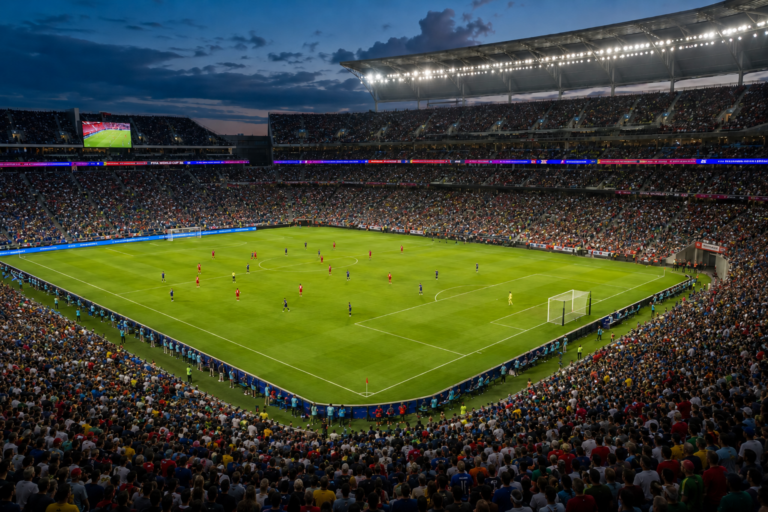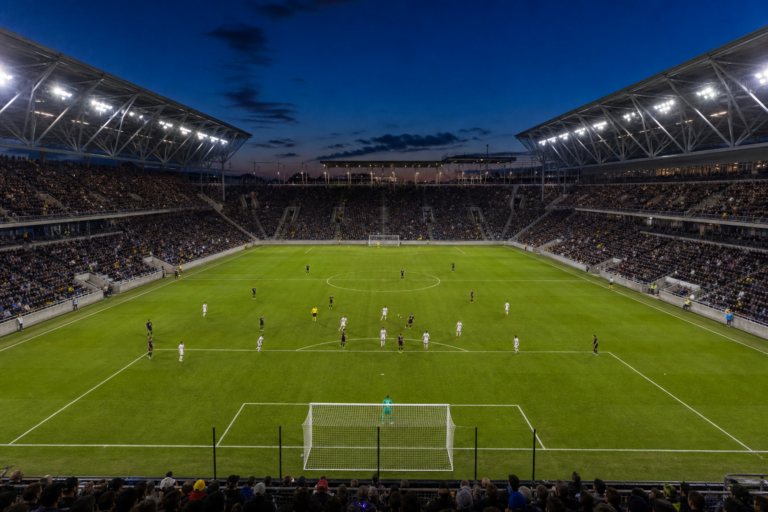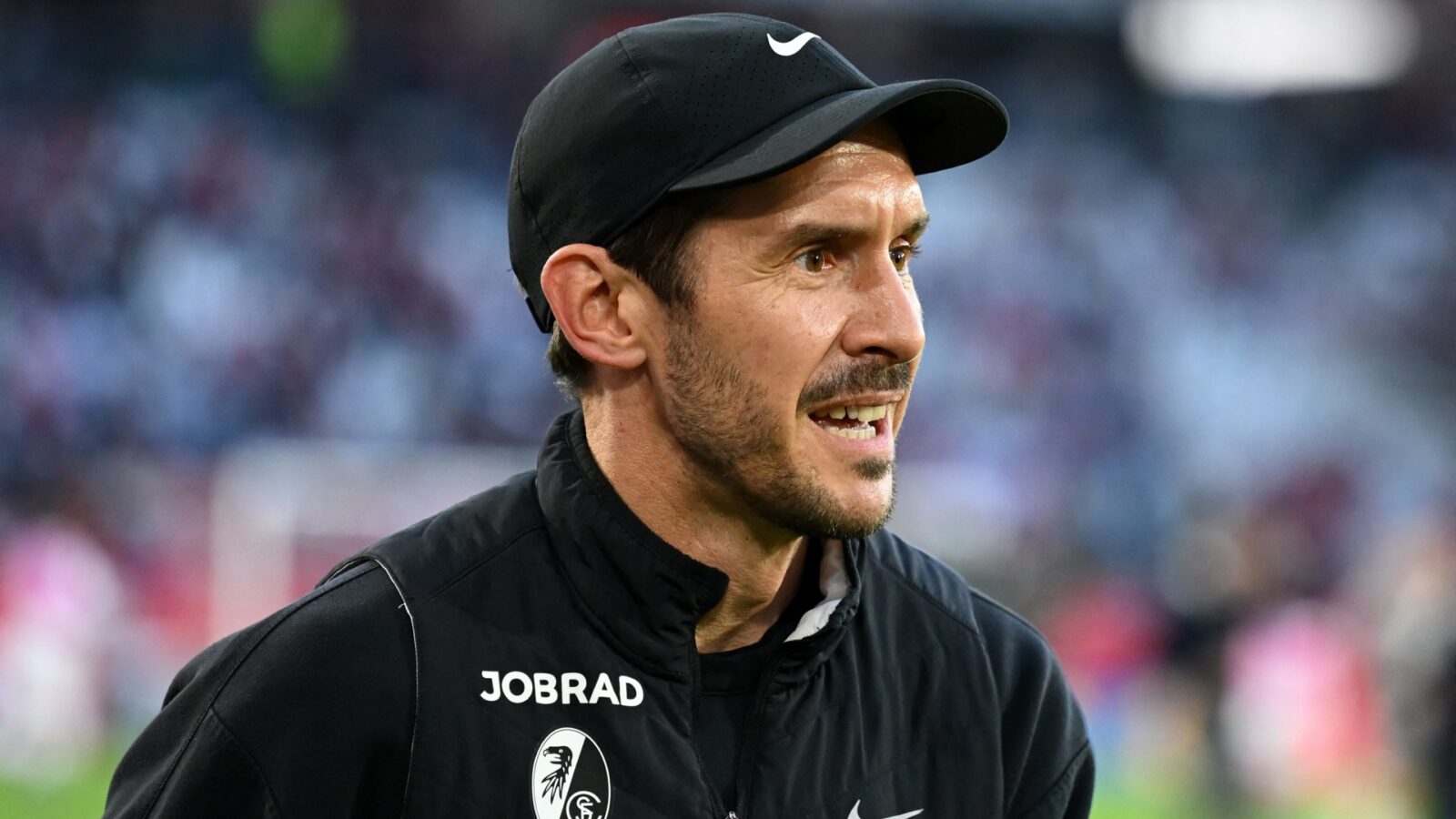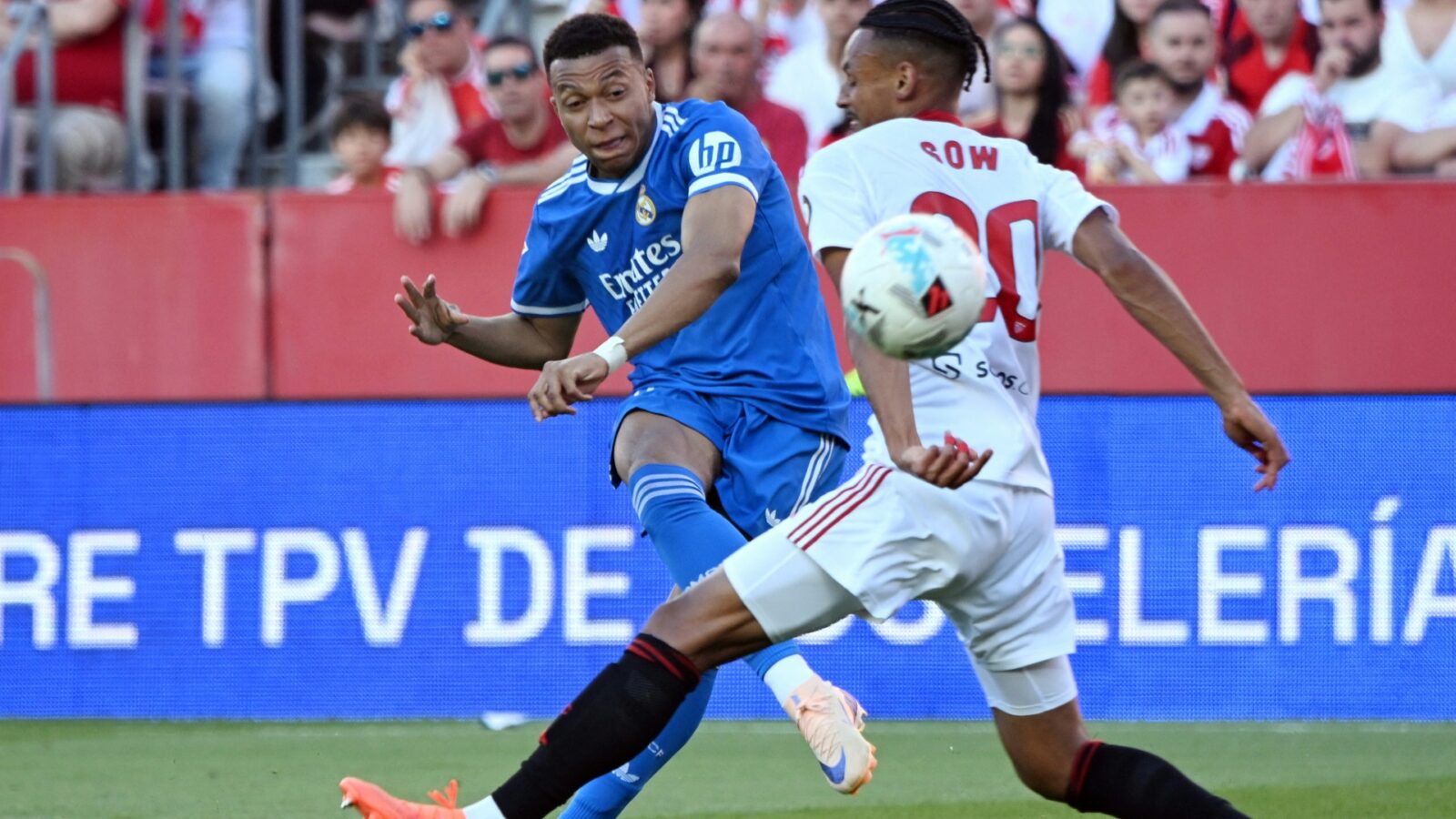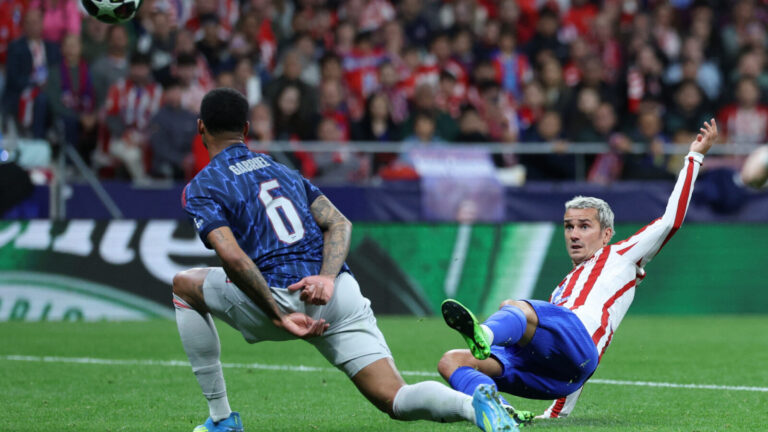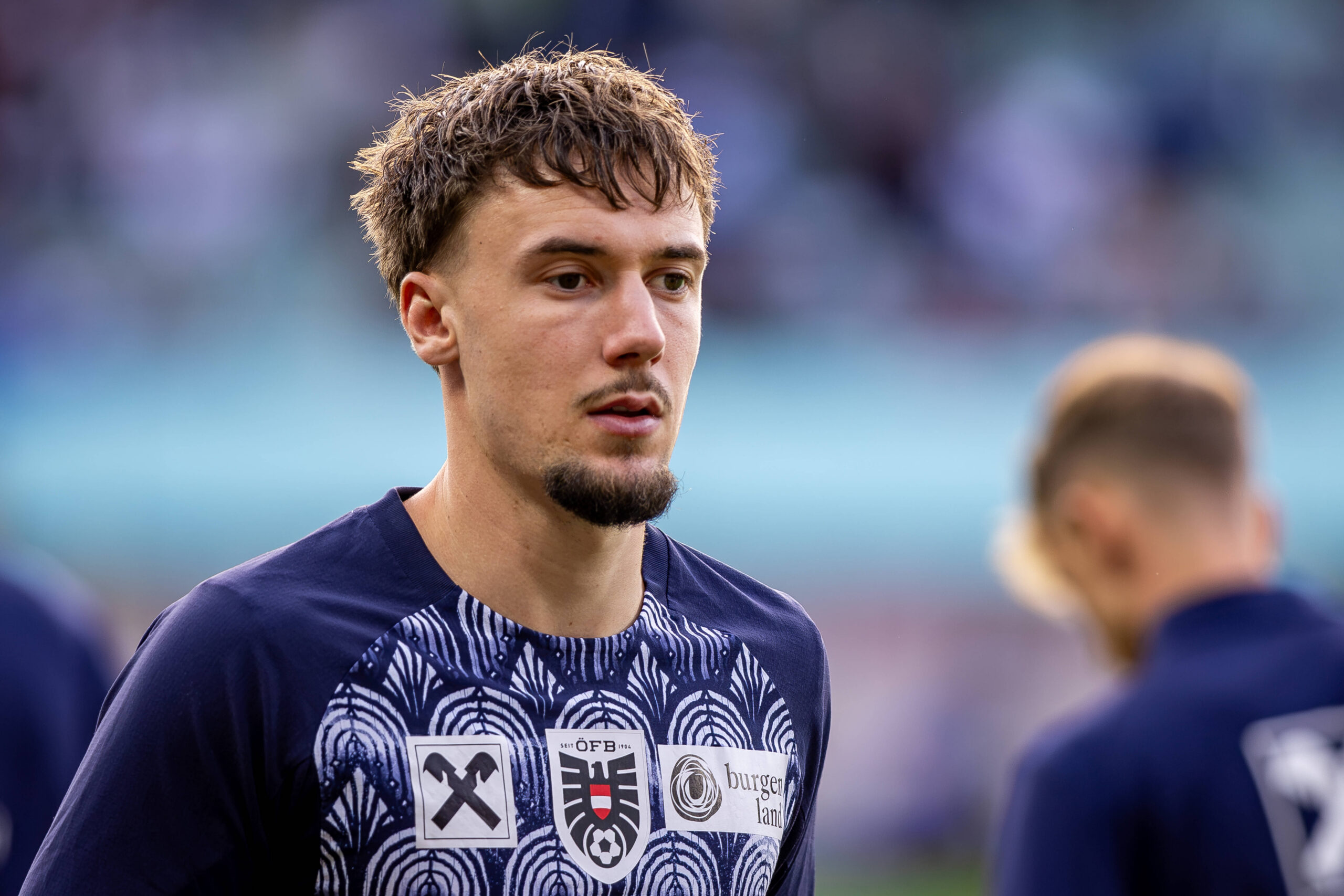
The result was a fair reflection of the overall contest. Austria enjoyed significantly more possession and spent long periods in the opposition half, but failed to turn that control into enough genuine threat. Kosovo were much more purposeful after the break and ultimately created the better-quality chances.
Rangnick makes six changes to his starting XI
Ralf Rangnick made six changes from the 2-2 draw in Ireland. Alexander Schlager returned in goal, with Stefan Posch, debutant Felix Bacher, Kevin Danso and Konrad Laimer forming the back four. Nicolas Seiwald and Xaver Schlager played as the double pivot, while Patrick Wimmer, Romano Schmid and Alexander Prass lined up behind Michael Gregoritsch.
Laimer’s role at left-back was particularly notable, with Prass asked to provide width and forward runs ahead of him. Austria lined up in their familiar 4-2-3-1 and looked to push Kosovo back through sustained possession.
Franco Foda opted for a 3-4-2-1. The hosts defended in a back five, allowed Austria to have the ball initially and looked to release Edon Zhegrova and Baton Zabërgja quickly after turnovers, with Vedat Muriqi leading the line. Zhegrova in particular would go on to become Kosovo’s most dangerous attacking player.
Austria dominate possession but struggle to find openings
The first half was played almost entirely in the Kosovar half. Austria had 66 per cent possession, led the shot count 8-2 and won five corners, but created very few clear chances.
After ten minutes, Gregoritsch met a Posch cross with a dangerous header, forcing Amir Saipi to tip the ball over the bar. From then on, however, Austria’s main problem became increasingly clear: Kosovo defended the centre compactly, while the difficult pitch made quick combinations even harder. Rangnick’s side circulated the ball for long spells but rarely found free players between the lines.
Prass tried his luck from distance and Posch reached another delivery with a header. Despite their territorial dominance, Austria generated only 0.36 xG before the break.
The most dangerous moment actually came at the other end. After an inaccurate back pass from Xaver Schlager, Danso slipped and Muriqi suddenly had a clear path towards goal. Alexander Schlager reacted quickly, came off his line and prevented Austria from falling behind.
Kosovo become far more dangerous after the break
The pattern changed after half-time. Austria still had more possession, but Kosovo now attacked with much greater purpose and increasingly targeted the spaces behind the advanced wide positions.
Veldin Hodža initially found the net after a rebound but was flagged offside. Shortly afterwards, Schlager was called into action again. The Austria goalkeeper ultimately saved four of Kosovo’s five shots on target.
Rangnick responded after 62 minutes with a triple substitution: Saša Kalajdžić, Christoph Lang and Marco Grüll replaced Schmid, Wimmer and Prass. The aim was to make Austria more direct and give them greater presence in the final third, but the next decisive moment belonged to the hosts.
Zhegrova creates a deserved opener
In the 70th minute, Kosovo combined down the right. Zhegrova drove into the inside channel at pace and picked out the recently introduced Asllani inside the penalty area. The Hoffenheim striker met the ball first time and found the bottom-left corner.
At that stage, the lead was deserved. Austria still had greater control of possession, but Kosovo had created the clearer situations since the restart. Only three minutes after the opener, Rashica almost doubled the advantage when his effort struck the post, before Schlager denied Hodža from the follow-up.
Zhegrova was the standout outfield player. In addition to his assist, he won numerous direct duels, registered six tackles and six recoveries, and repeatedly forced Austria’s defence backwards with his dribbling. His attacking creativity was matched by an unusually strong defensive contribution.
Gregoritsch, by contrast, remained isolated for long spells. Aside from his headed opportunities, the striker struggled to become decisively involved in Austria’s combinations – a reflection of their wider problem in turning possession into real danger.
Lang rescues Austria from a long throw
After falling behind, Rangnick increased the attacking risk. With Kalajdžić added up front and several offensive players occupying the area around the box, Austria became more direct. Even then, a sustained spell of pressure was slow to develop because Kosovo continued to defend their penalty area compactly.
The equaliser fittingly came from a throw-in. Danso launched the ball deep into the penalty area, Kalajdžić flicked it on with his head and Lang lost his marker in the middle. The 24-year-old headed home in the 85th minute to make it 1-1 and score his first goal for Austria in only his second international appearance.
Austria finished with 64 per cent possession, led the shot count 13-10 and recorded 32 touches in the opposition penalty area compared with Kosovo’s 16. Yet the hosts still led the xG count 0.90 to 0.50. Austria therefore reached dangerous areas frequently but rarely turned those positions into high-quality attempts.
Austria stay top despite an unconvincing display
The 1-1 draw is an important point for Austria, but it was far from a convincing performance. Rangnick’s side controlled the ball but too often lacked pace and precision in the final third against Kosovo’s compact defence. After the break, they also struggled to contain the hosts’ quick attacks, particularly those involving Zhegrova.
Kosovo deserved their lead after producing the stronger spell following half-time and came close to making it 2-0 through Rashica. Austria nevertheless showed character late on and benefited from two substitutes for the equaliser: Kalajdžić supplied the flick-on and Lang provided the finish.
With eight points from four matches, Austria remain top of Group B3. Their final two group games against Ireland and Israel will follow in November.