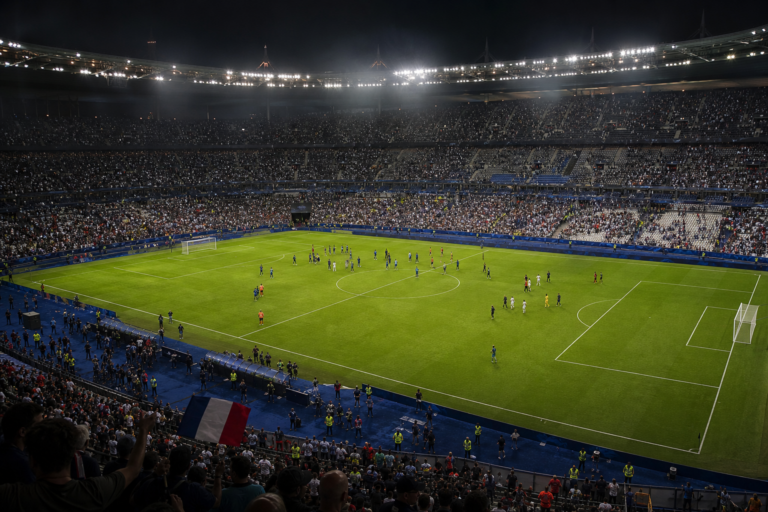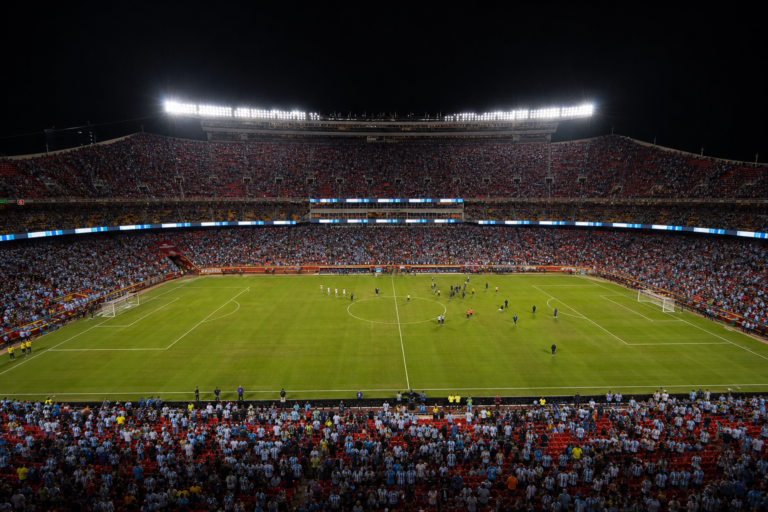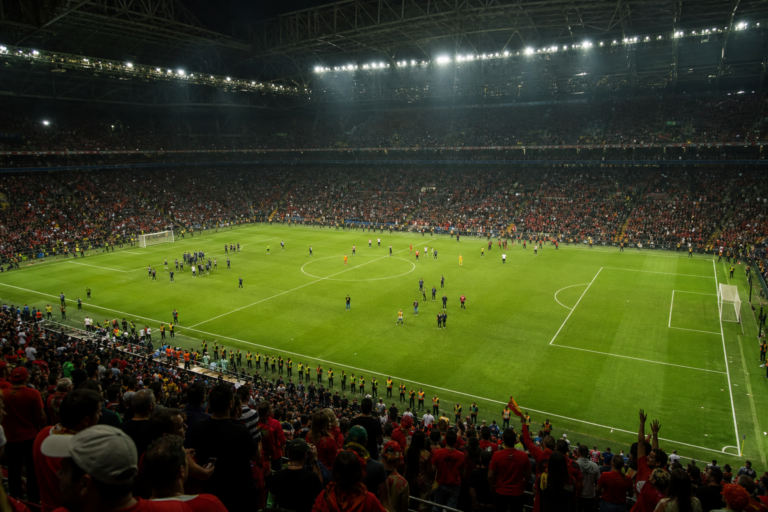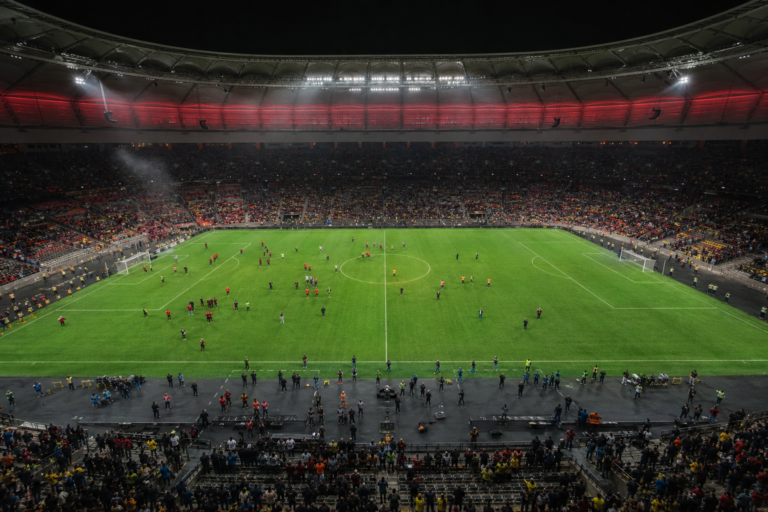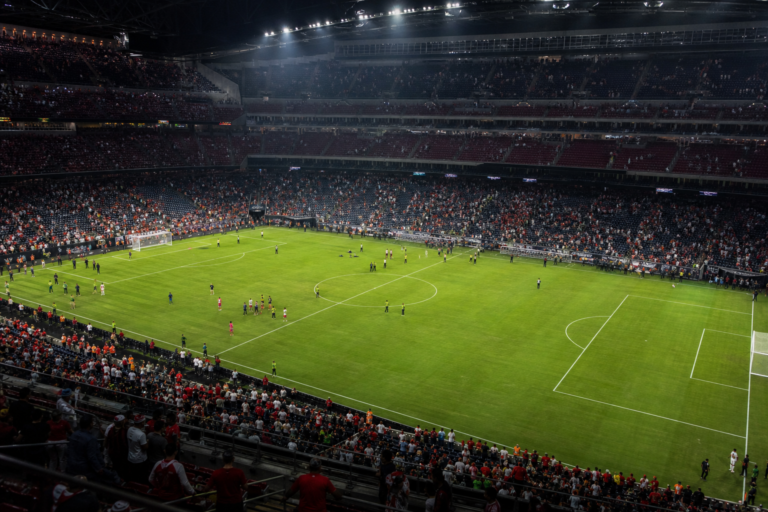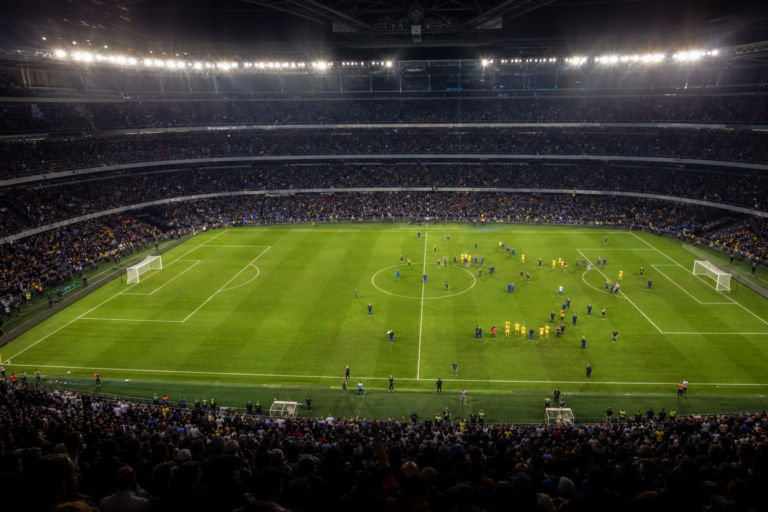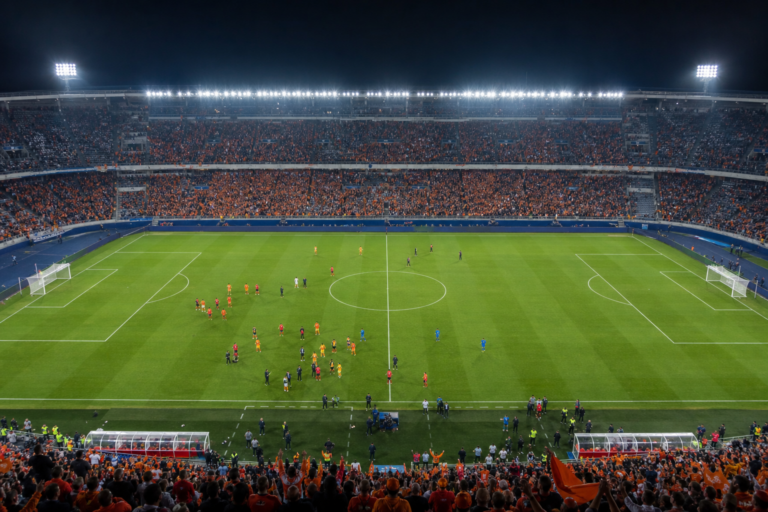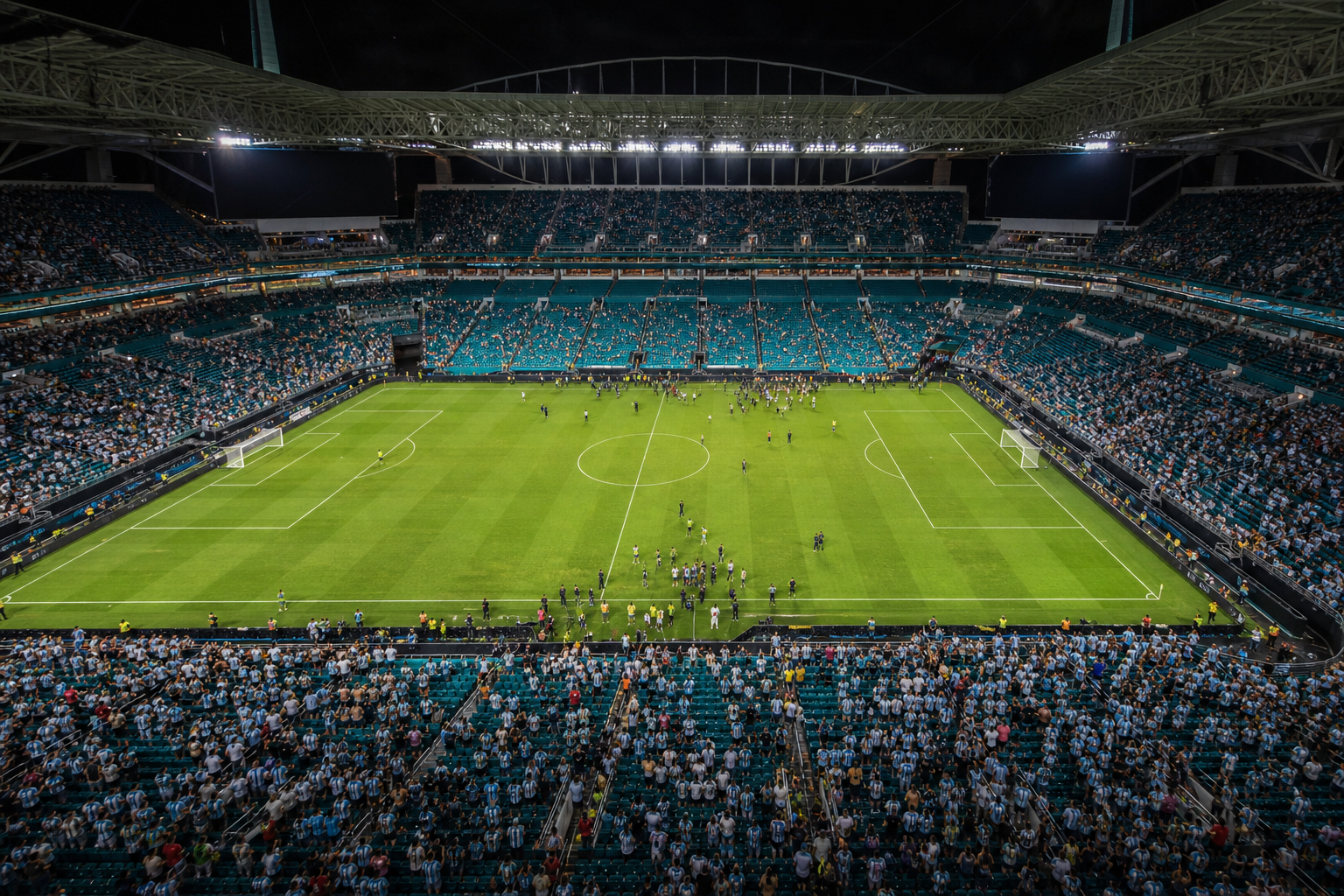
Hard Rock Stadium, Miami – Reigning World Cup title-holders Argentina are through to the round of 16, but the road there was anything but straightforward. Against World Cup debutants Cape Verde (ranked 67th in the world), the number-one side on the planet needed 111 minutes and an own goal to prevail 3–2. Cape Verde forced Argentina to equalise twice and, until moments before the end of extra time, stood on the brink of one of the tournament's greatest upsets.
Messi record and an early lead
Lionel Andrés Messi drew first blood in the 29th minute. Lisandro Martínez played a long ball in behind the defence, Messi ran onto it down the right, took it in his stride with a first touch and chipped it with his left foot over the onrushing goalkeeper Vozinha – 1–0. It was the 20th World Cup goal of Messi's career, and it also meant he had scored in eight consecutive World Cup matches. Both are all-time records. The 39-year-old, who had already netted six times in three group-stage games, once again demonstrated his peerless status on this stage.
Cape Verde refused to be rattled by going behind. Head coach Pedro Leitão had set his side up to fight back, and goalkeeper Vozinha – himself around 40 years old – kept the match alive with a string of fine saves against further Argentine attempts. In the 59th minute Cape Verde struck back: Deroy Duarte received a pass from Ryan Mendes on the right, turned and drove a low effort into the far corner – 1–1. It was Duarte's first ever international goal.
Extra time produces four goals in 20 minutes
Argentina appeared to reassert control after the equaliser, and in the 92nd minute, at the start of extra time, Lisandro Martínez restored the lead – 2–1 – with a left-foot shot from the edge of the area following a corner kick at the near post. The lead lasted just eleven minutes, however. Sidny Lopes Cabral made it 2–2 in the 103rd minute with a curling long-range effort into the top-right corner – a strike that left the Hard Rock Stadium open-mouthed.
Cape Verde, the only World Cup debutants in the entire round of 32 – the side had finished the group stage as runners-up behind Spain, ahead of both Uruguay and Saudi Arabia – were moments away from producing arguably the biggest result of the entire 2026 World Cup. But in the 111th minute Diney Borges turned a Messi corner kick into his own net – 3–2 to Argentina. The ball had deflected off Borges' hand; the goal was officially recorded as an own goal.
Context and what comes next
Argentina advance to the round of 16, which at the 2026 World Cup – the first edition to feature 48 nations across 12 groups of four – constitutes the second knockout round. The new format sends 32 teams into the knockout phase: all twelve group winners, all twelve runners-up and the eight best third-placed sides. The round of 32 as the opening knockout round is an innovation compared with every previous tournament up to and including 2022.
Cape Verde are eliminated, but they leave a lasting impression. They pushed the title-holders to the brink of an exit over 120 minutes. For Argentina, this was – after their 51st World Cup victory as a nation – a passage through that came with a very clear warning sign.