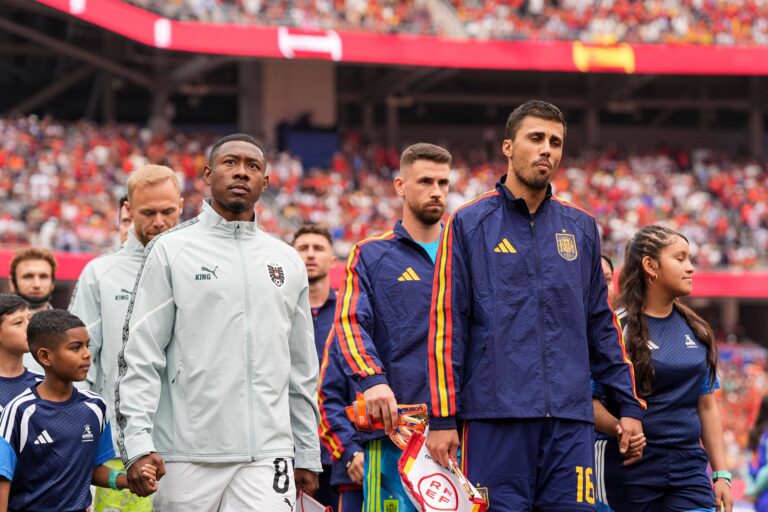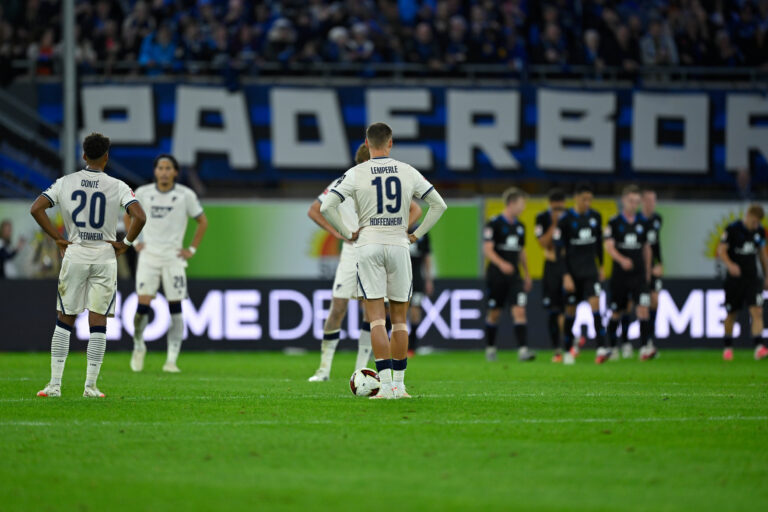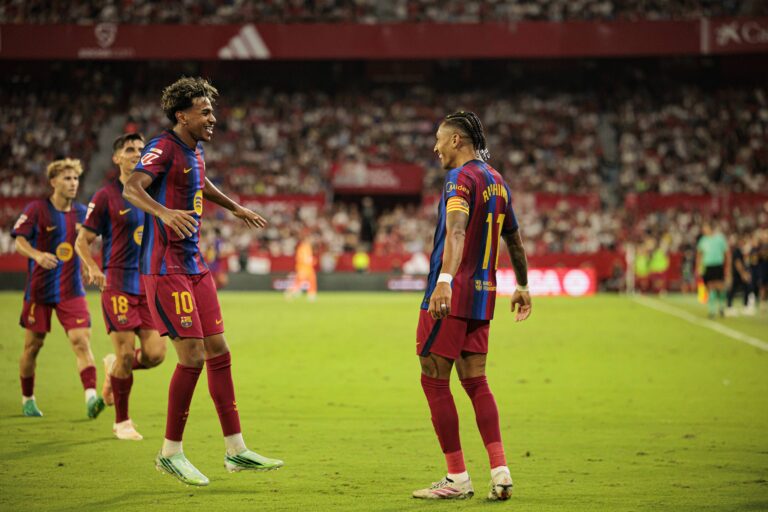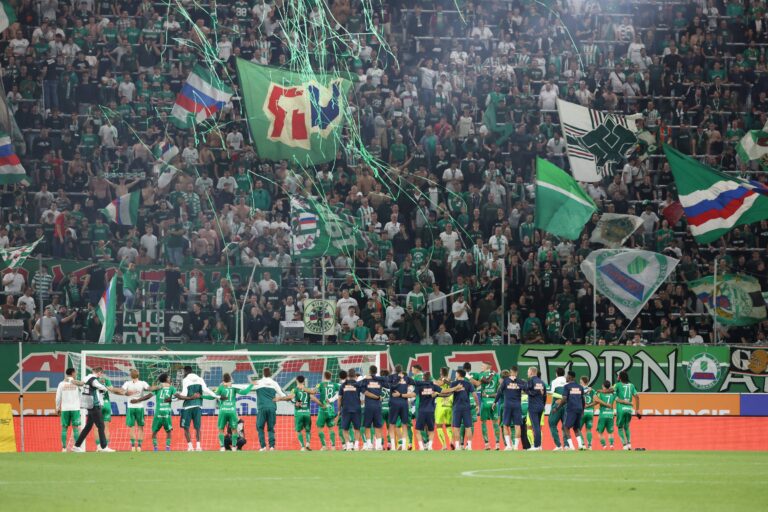
The victory was deserved overall, although Kosovo enjoyed their best spell immediately after half-time. Austria carried the greater threat in the final third for long stretches and finished with 1.83 xG compared to Kosovo’s 1.36. The visitors’ figure was boosted considerably by their late penalty.
Rangnick rotates as Zawieschitzky makes his debut in goal
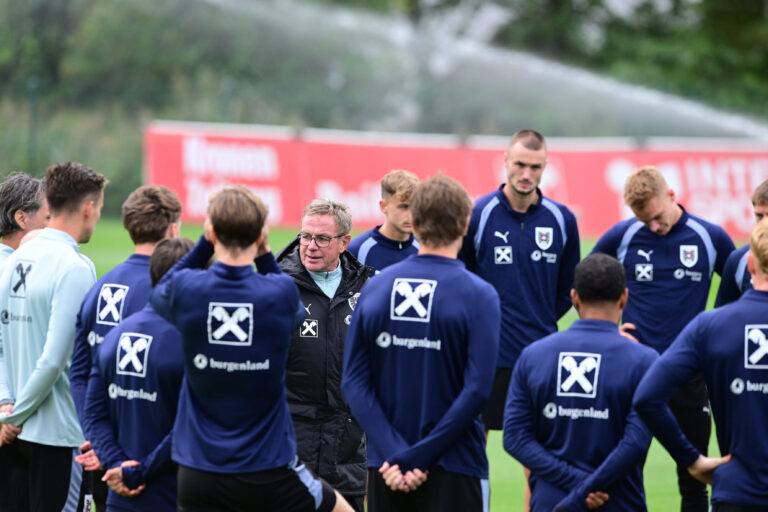
Rangnick made significant changes to the team that had beaten Israel 3-1. Six positions were altered, with David Affengruber, Nikolas Veratschnig, Maximilian Wöber, Paul Wanner and Junior Adamu among those coming into the starting XI. The biggest focus, however, was on Christian Zawieschitzky, who replaced Alexander Schlager and made his senior Austria debut.
The 19-year-old is regarded as one of Austria’s most promising goalkeeping talents and has been Red Bull Salzburg’s first-choice goalkeeper since the summer. Rangnick had already stressed before the match that he wanted to assess the younger keepers at senior international level with an eye on their development and the upcoming European Championship. After this debut, Zawieschitzky is likely to remain a regular member of the wider national-team set-up.
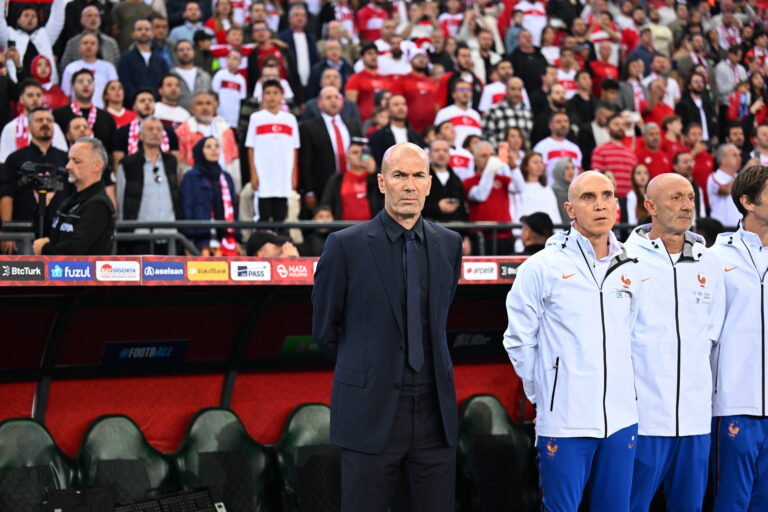
Austria lined up in their familiar 4-2-3-1, with Xaver Schlager and Nicolas Seiwald shielding the defence. Kosovo, coached by former Austria manager Franco Foda, started in a 3-4-3. Edon Zhegrova was a notable omission from the starting XI, while Vedat Muriqi led the line and was primarily used as a target for direct passes.
Austria take control after an early warning
Kosovo showed after only six minutes why that approach could be dangerous. Muriqi found space inside the Austrian penalty area for the first clear chance of the match, but sent his effort over the bar.
Austria gradually took command from there. Rangnick’s side looked to disrupt Kosovo’s build-up high up the pitch and attack vertically as quickly as possible after regaining possession. Schlager and Seiwald provided security in central midfield, while Wimmer and Schmid regularly moved inside from wider positions. Kosovo were pushed deep into their own half for spells and generally looked to find Muriqi or the advancing wide players quickly after winning the ball.
The opening goal, however, came from a set piece. Romano Schmid delivered a well-weighted free-kick from around 30 metres into the penalty area in the 23rd minute. Affengruber escaped his marker and headed home for 1-0. It was the centre-back’s first goal for Austria in only his second international appearance.
Wimmer drives Austria towards a second goal
Austria remained the more proactive side without needing to maintain a relentless tempo. Patrick Wimmer in particular caused Kosovo problems, combining aggressive counter-pressing with direct runs in behind and playing a role in several dangerous attacks.
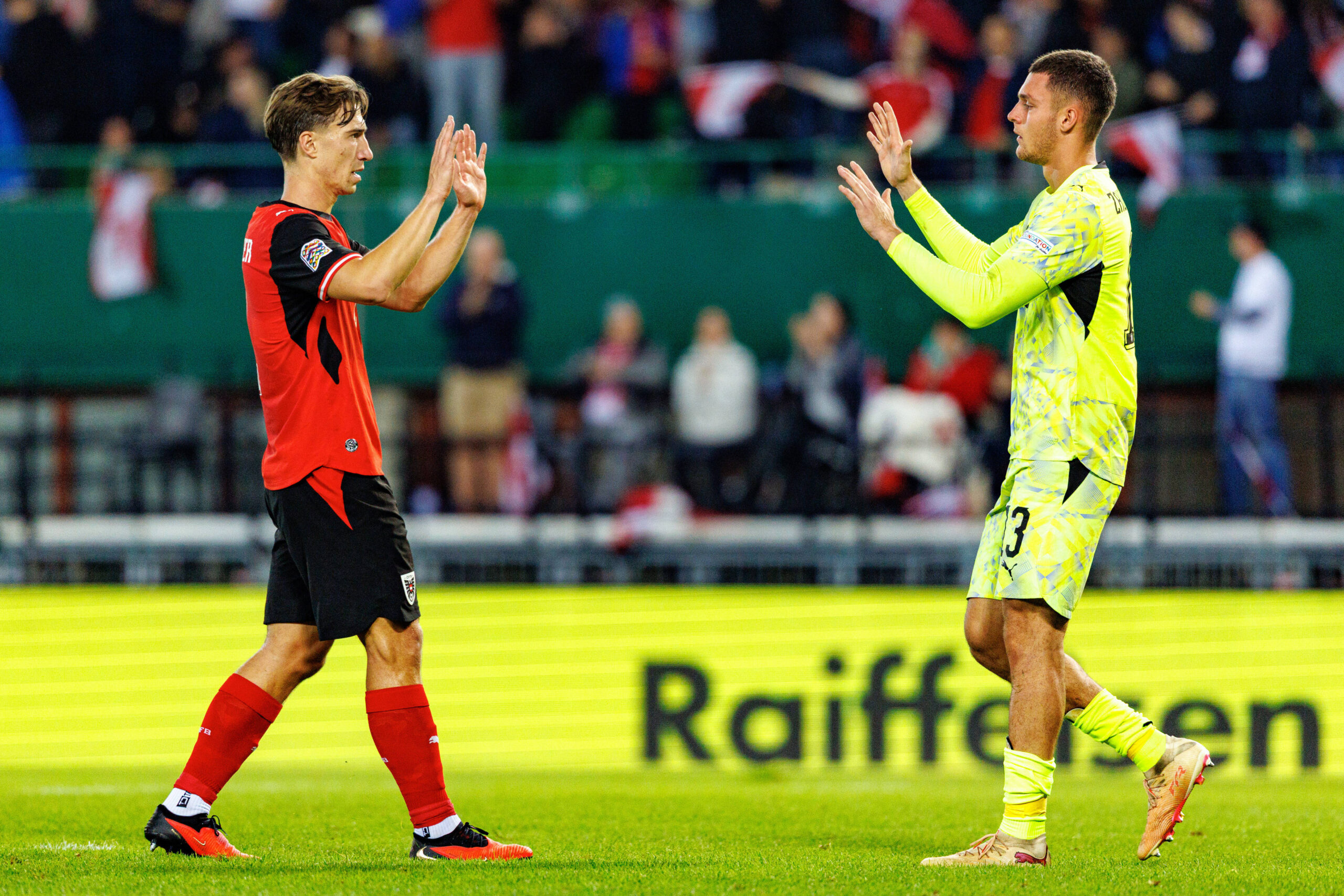
That approach was rewarded in first-half stoppage time. Wimmer broke in behind the Kosovo defence and could have gone for goal himself, but instead squared the ball for Adamu, who only had to finish into an empty net. The 2-0 was also Adamu’s first goal for the senior national team.
Wimmer’s influence extended well beyond the assist. He created three shooting opportunities, won all four of his tackles and registered ten ball recoveries – more than any other Austrian player. He also completed 32 of his 36 passes, making him one of the key figures both in Austria’s pressing and in their quick attacking transitions.
Foda’s triple substitution brings Kosovo back into the contest
Trailing 2-0, Foda reacted decisively at half-time. Three players were introduced, including Zhegrova. Kosovo immediately became more adventurous, pushed their wide players higher and found Muriqi in threatening positions more quickly.
The impact was almost immediate. Muriqi had two dangerous efforts shortly after the restart. Zawieschitzky denied him with an excellent save to preserve his clean sheet on debut, before another effort was cleared off the line.
Austria were forced to defend deeper during this spell than they had before the break. The scoreline also played a part: Kosovo were taking greater risks, while Rangnick’s side no longer pressed every phase with the same intensity. Austria nevertheless remained strong against direct balls and maintained a clear advantage in the aerial duels.
Chukwuemeka capitalises on Murić’s mistake
Austria’s third goal arrived in the middle of Kosovo’s strongest spell. In the 61st minute, Paul Wanner drove a low ball into the six-yard box. Goalkeeper Arijanet Murić failed to gather it cleanly and inadvertently presented the ball to Chukwuemeka, who had only recently come on. The midfielder reacted quickest and converted for 3-0.
It was the low point of a difficult evening for Murić. A few minutes later, he was forced off with an injury sustained in the crowded goalmouth around the third goal.
Kosovo did not give up. Late in the game, Affengruber arrived too late in a challenge inside his own penalty area and conceded a penalty. Zhegrova stepped up in the 83rd minute and converted confidently to make it 3-1, but Austria allowed no further route back into the contest.
Austria underline their strong start
The overall numbers accurately reflect the balance of the game. Austria led 11-6 in shots and recorded 28 touches in the opposition penalty area compared to Kosovo’s 13. Possession, by contrast, was almost even at 52-48. Rangnick’s side therefore did not dominate through prolonged spells on the ball, but were most dangerous through high recoveries, set pieces and quick attacks.
Six points from two matches represent a successful start to the Nations League. The game also provided further encouraging signs from a much-changed team, particularly through Zawieschitzky, Affengruber and Adamu. Austria return to action on Thursday away to the Republic of Ireland in Dublin, before facing Kosovo again three days later.