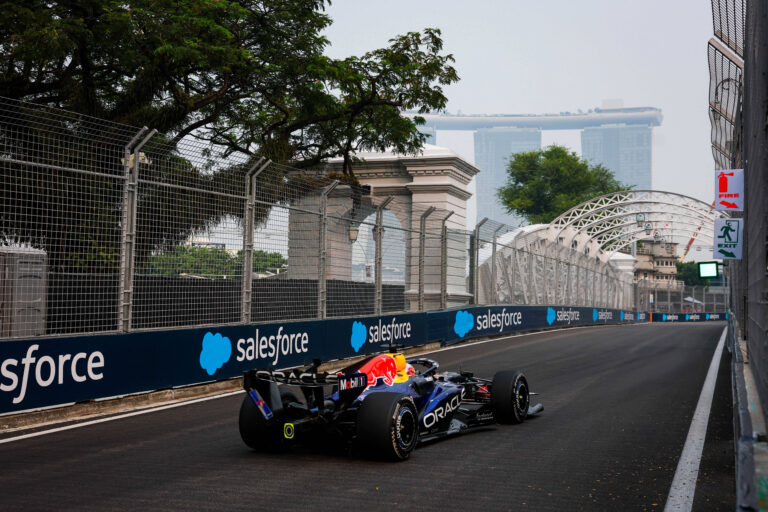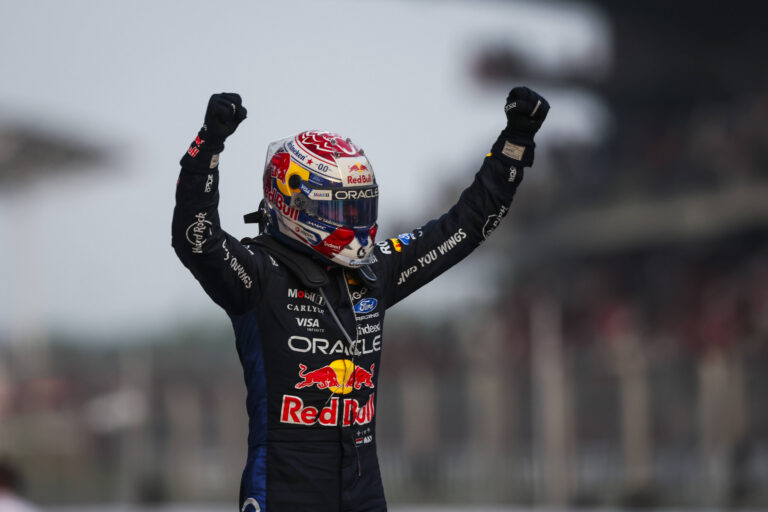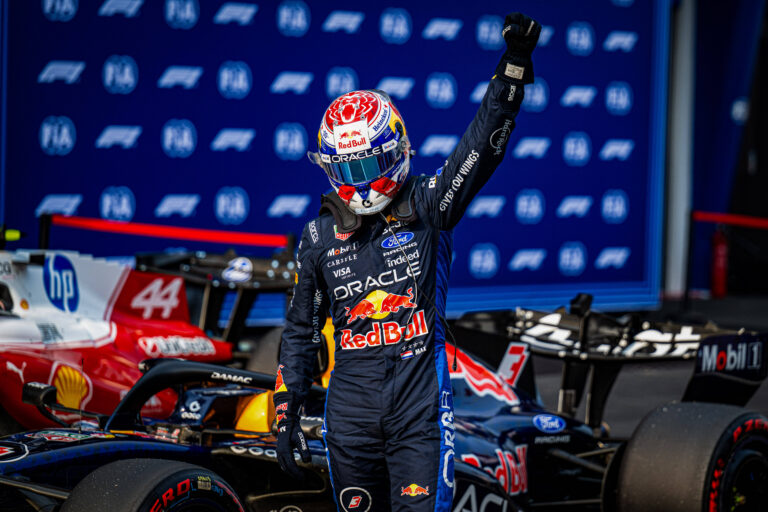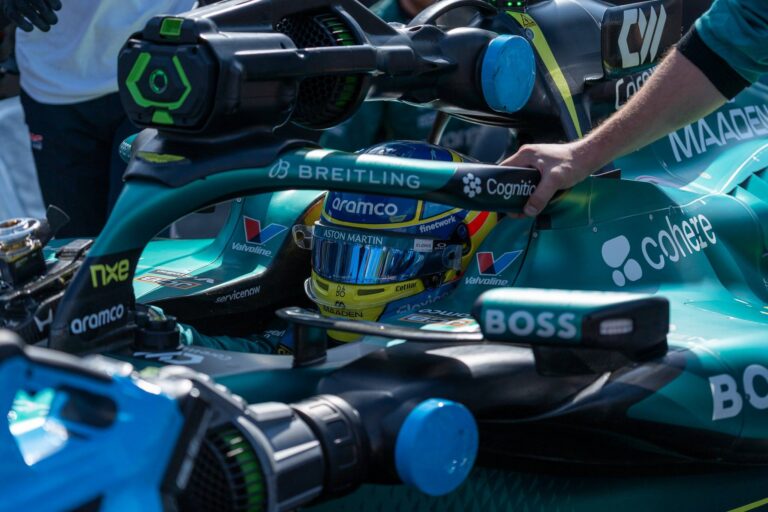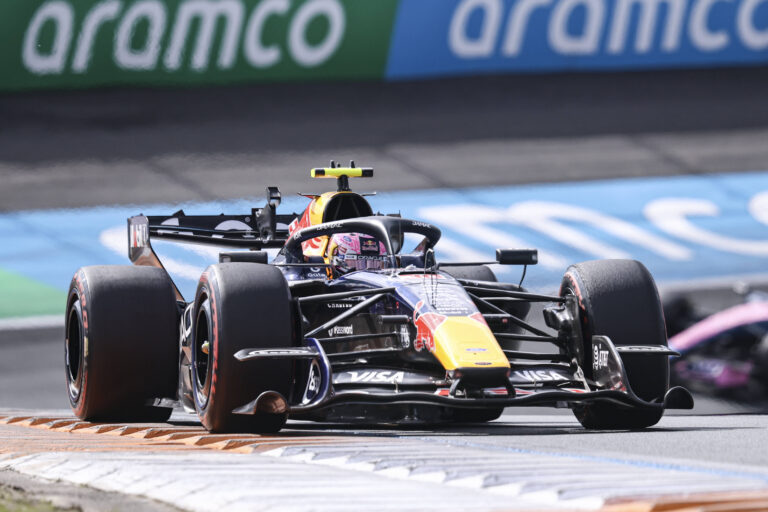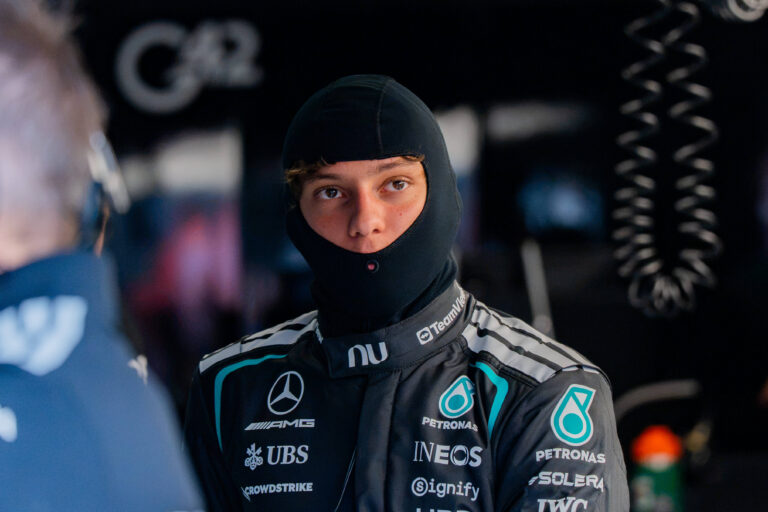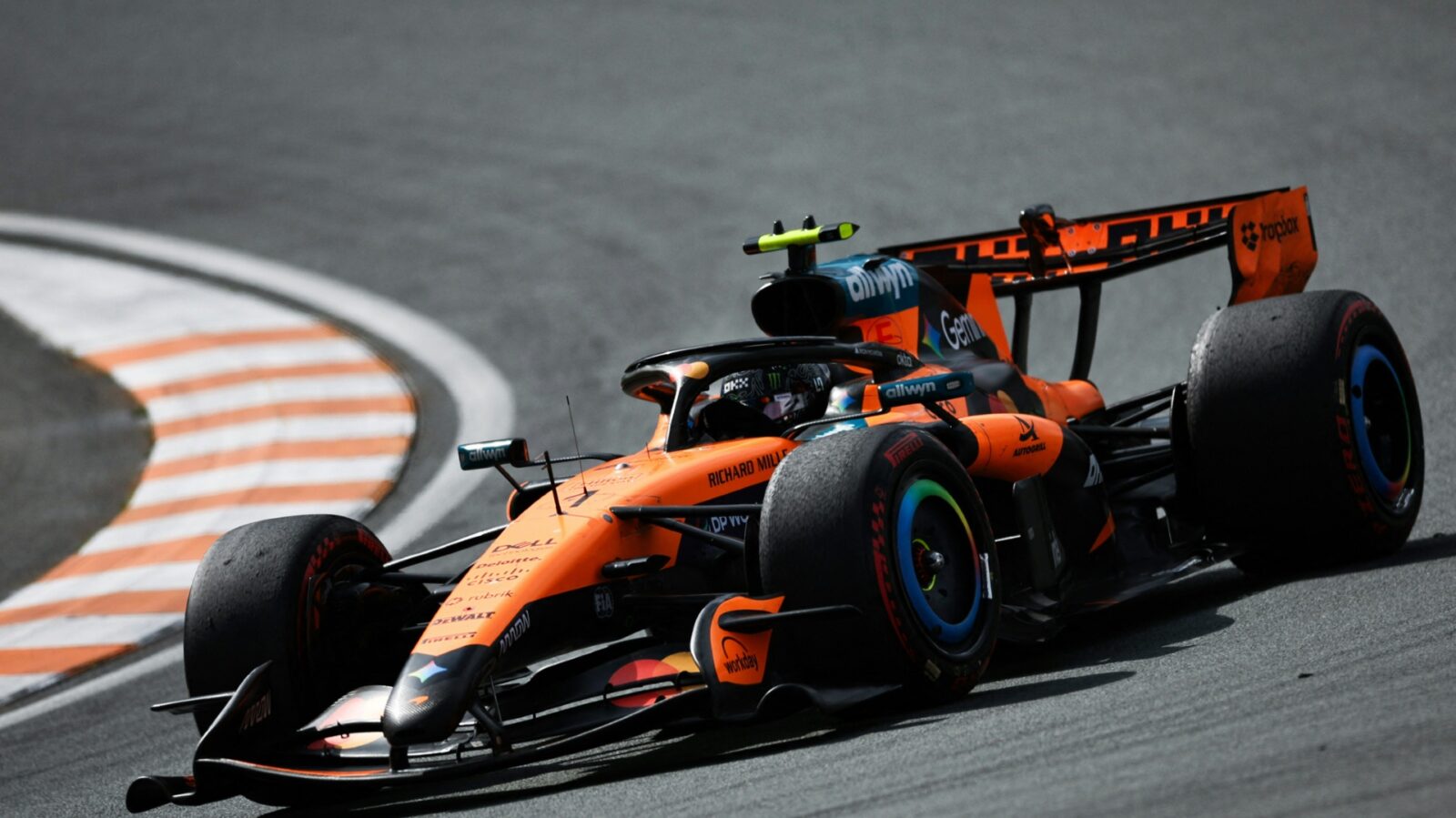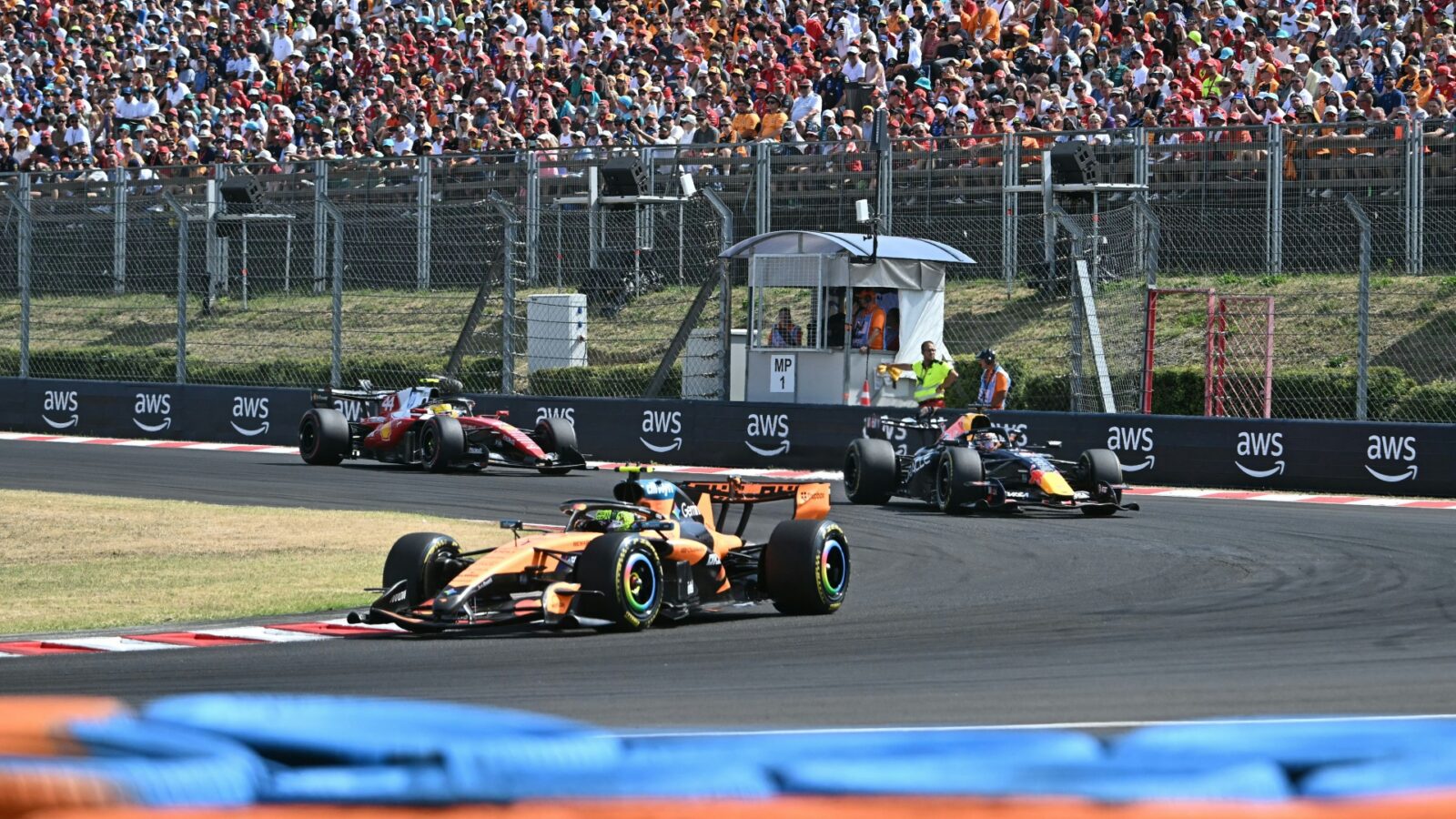
From a sporting perspective, the comeback promises plenty of intrigue. The current generation of cars has never raced at Sepang, more than half the grid has no Formula 1 race experience at the circuit, while heat, high humidity and the constant threat of tropical showers add another layer of uncertainty. After the opening two practice sessions, there is still no clear favourite.
Why is the Bahrain Grand Prix taking place in Malaysia?
The Bahrain Grand Prix was originally scheduled to take place in Sakhir in April. However, the tense situation in the Middle East meant the race could not be held there as planned.
During the summer, Formula 1, the FIA and the relevant authorities in Bahrain and Malaysia agreed on an unusual solution: the Grand Prix would remain on the calendar but be moved to the Sepang International Circuit. The event is therefore officially called the “Formula 1 Gulf Air Bahrain Grand Prix in Malaysia”.
Malaysia is effectively acting as host, while the identity of the originally scheduled Bahrain Grand Prix has been retained. For Sepang, the agreement also means a surprise return to Formula 1 after a nine-year absence.
Sepang puts cars and drivers to the test
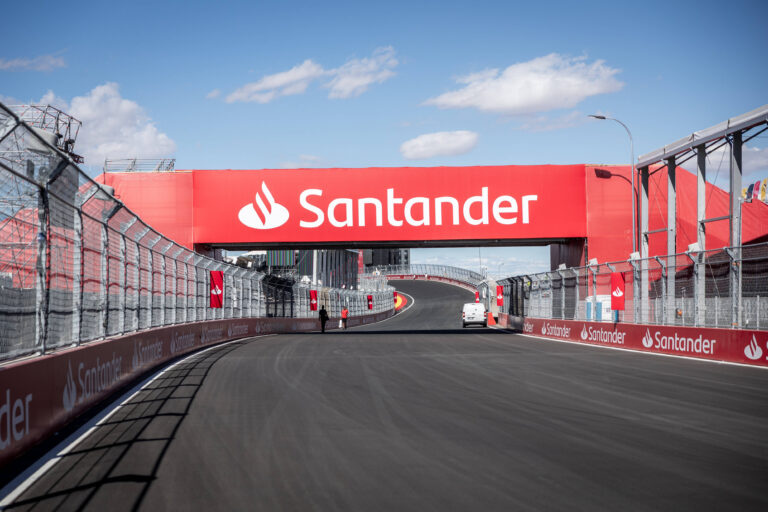
The 5.543-kilometre circuit is one of the most varied tracks on the calendar. Long straights allow for high speeds and offer good overtaking opportunities, while the fast corner sequences demand plenty of aerodynamic downforce. There are also slower sections and several heavy braking zones.
The setup compromise is particularly challenging. Running less wing can deliver valuable straight-line speed, but it can leave the car vulnerable through the faster corners. At the same time, the abrasive asphalt places significant stress on the tyres.
Pirelli has selected the C2, C3 and C4 compounds for the weekend. It is a slightly more aggressive choice than a more conservative allocation featuring harder tyres, which could bring both one-stop and two-stop strategies into play.
The weather is another major factor. Temperatures above 30 degrees Celsius, high humidity and the possibility of sudden tropical rain are all part of the Sepang challenge. The current forecast puts the chance of rain at around 40 per cent on Saturday and 30 per cent on Sunday.
Tight margins after the first two practice sessions
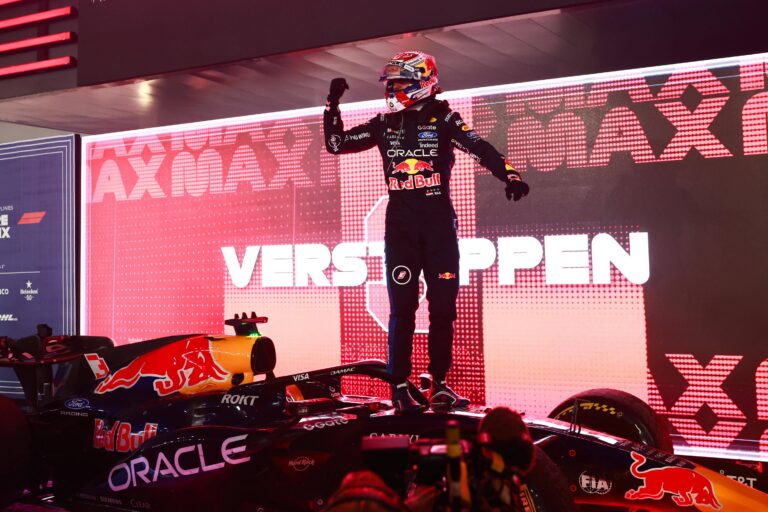
The opening practice session initially underlined Max Verstappen’s strong form. The Red Bull driver set the fastest time with a 1:37.520, finishing 0.383 seconds clear of George Russell. Isack Hadjar completed a strong start for Red Bull by taking third.
Charles Leclerc was fourth, championship leader Kimi Antonelli fifth and Lewis Hamilton sixth. McLaren made a quieter start, with Oscar Piastri and Lando Norris only 11th and 12th respectively.
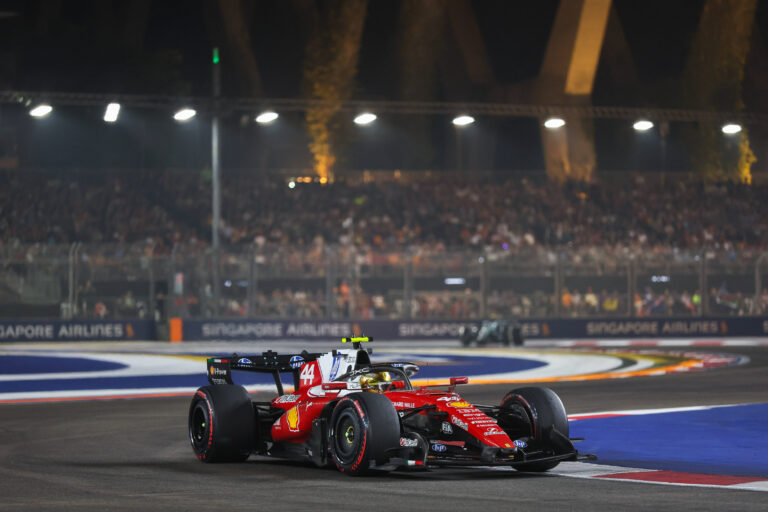
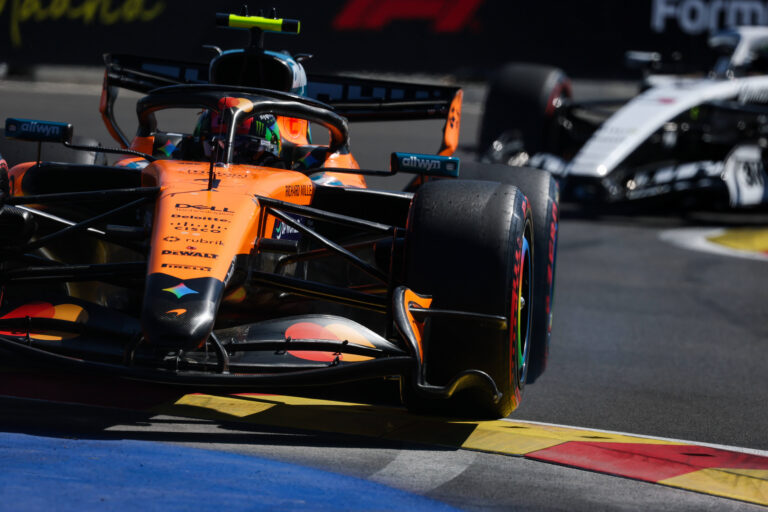
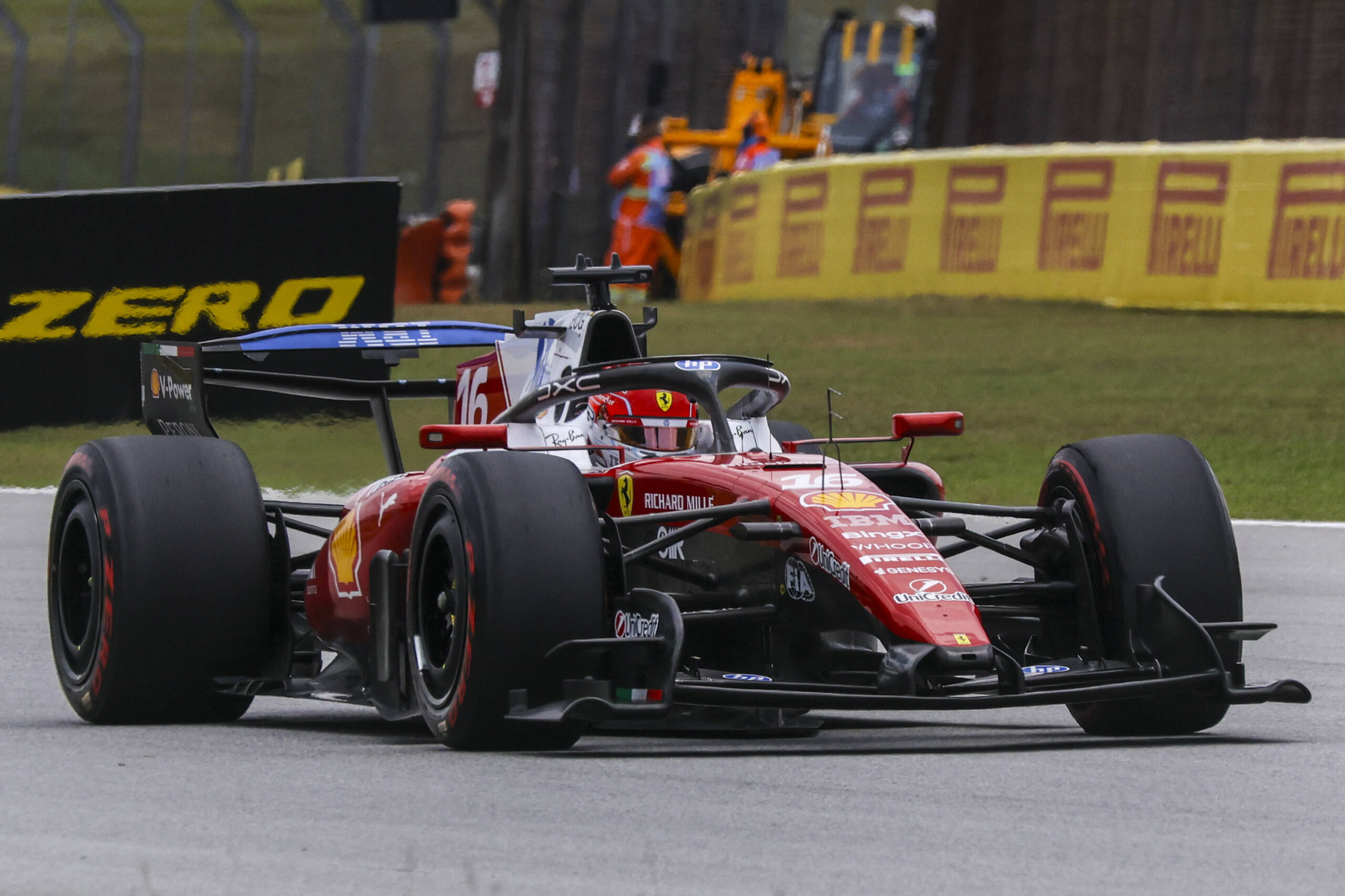
The picture changed significantly in FP2. Leclerc went quickest with a 1:37.528, edging Hadjar by just 0.099 seconds. Norris bounced back to take third, only 0.137 seconds off the pace, while Verstappen followed in fourth ahead of Hamilton and Piastri.
One notable detail, however, is that Verstappen’s FP1 lap was eight thousandths of a second faster than Leclerc’s FP2 benchmark. The Dutchman also did not complete a qualifying-style run on the soft tyre in the second session, setting his best time on the medium compound instead. Red Bull’s Friday therefore looked slightly stronger than the FP2 classification alone might suggest.
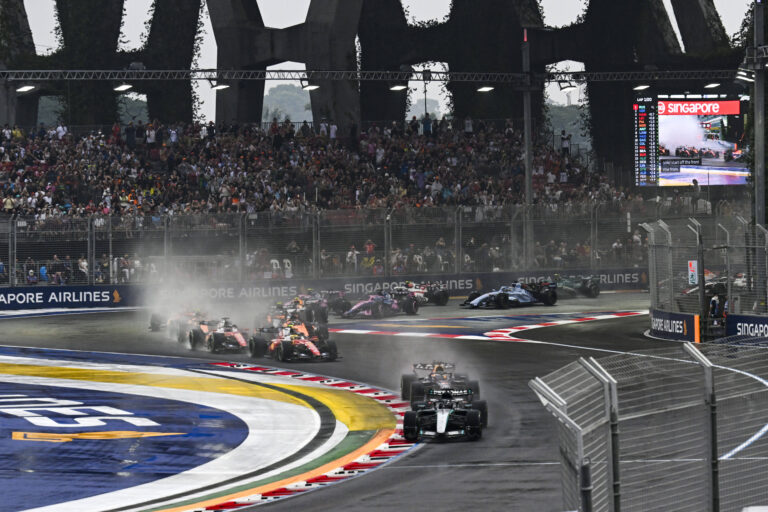
Overall, the gaps at the front were small. Less than four tenths separated Leclerc in first from Piastri in sixth during FP2, while Russell and Antonelli finished only seventh and eighth.
Friday’s times still need to be treated with caution. The teams are working their way around a circuit for which there is very little recent Formula 1 data. Different fuel loads, tyre programmes and the high levels of degradation make direct comparisons difficult.
Antonelli leads as Russell closes in
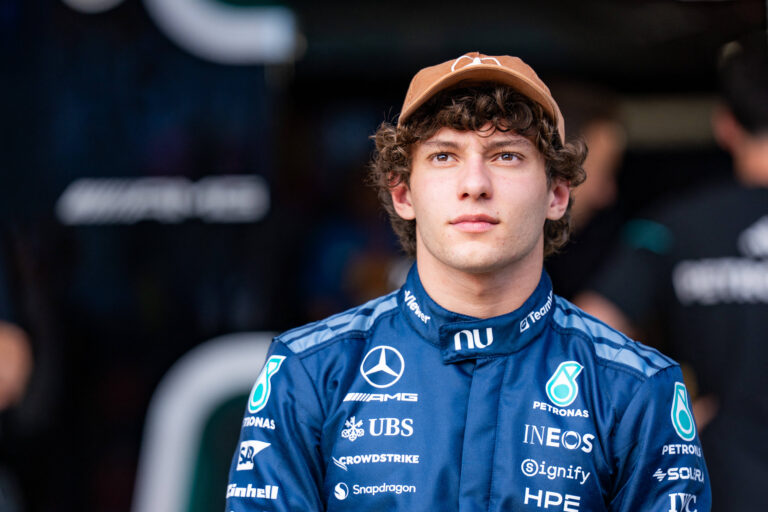
Mercedes remains the benchmark in the championship standings. Kimi Antonelli leads on 302 points, with team-mate George Russell second on 236. The Italian therefore still holds a 66-point advantage.
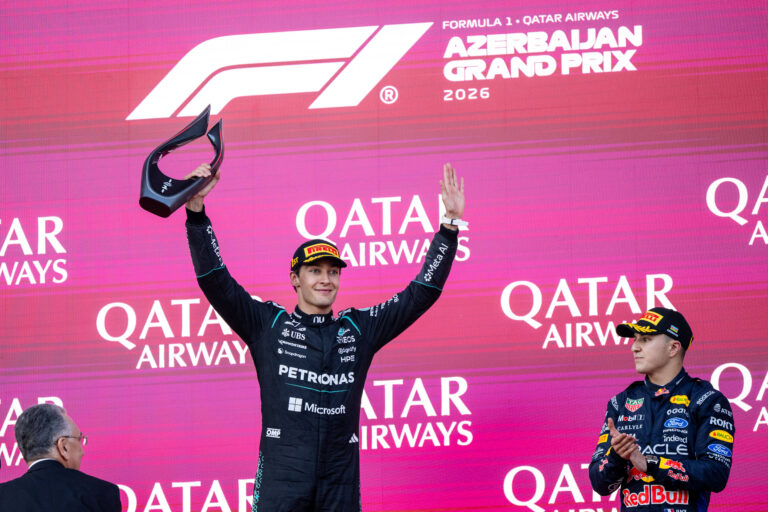
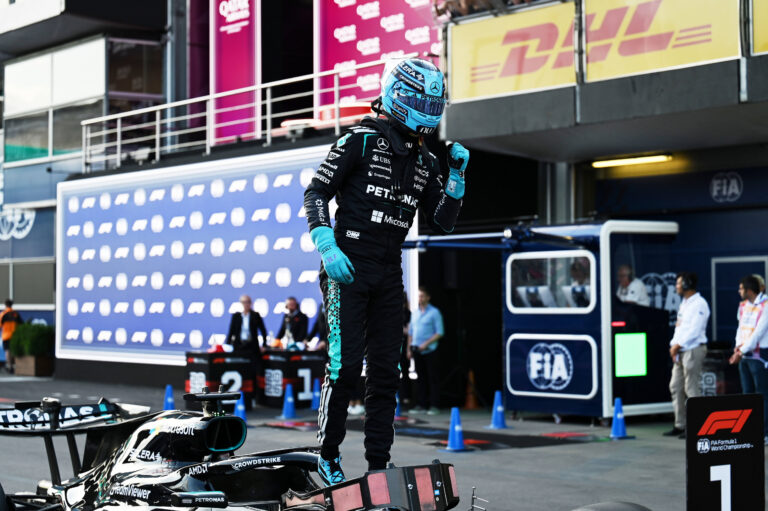
Russell arrives in Malaysia with momentum, however. The Briton won in Baku after a strong drive, narrowly beating Max Verstappen, while Antonelli could manage only fifth after a qualifying crash. Lewis Hamilton sits on 199 points, already 103 behind the championship leader.
With 163 points, Verstappen is now only an outside contender for the title, but Sepang could offer him a chance to claim his first victory of 2026. The four-time world champion knows the circuit well and won the most recent Formula 1 race held there back in 2017.
Qualifying on Saturday, race on Sunday
The third and final practice session takes place on Saturday. FP3 begins at 5:30am BST, with the teams given one final hour to fine-tune their setups before qualifying gets under way at 9:00am BST.
The Grand Prix starts on Sunday at 8:00am BST. The race will be run over 56 laps, covering a total distance of 310.4 kilometres.
The early signs point towards an unusually open weekend. Red Bull looked strong on Friday, Ferrari responded in FP2, McLaren made a clear step forward and Mercedes remains a central factor despite a less impressive second session, given the team’s overall strength this season. Add high tyre degradation and Sepang’s notoriously unpredictable weather, and there are more than enough ingredients for a Grand Prix in which Friday’s order may prove anything but decisive.