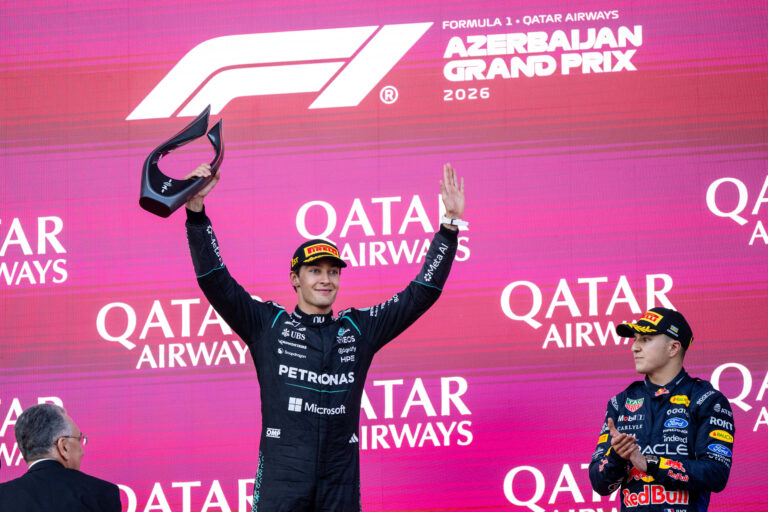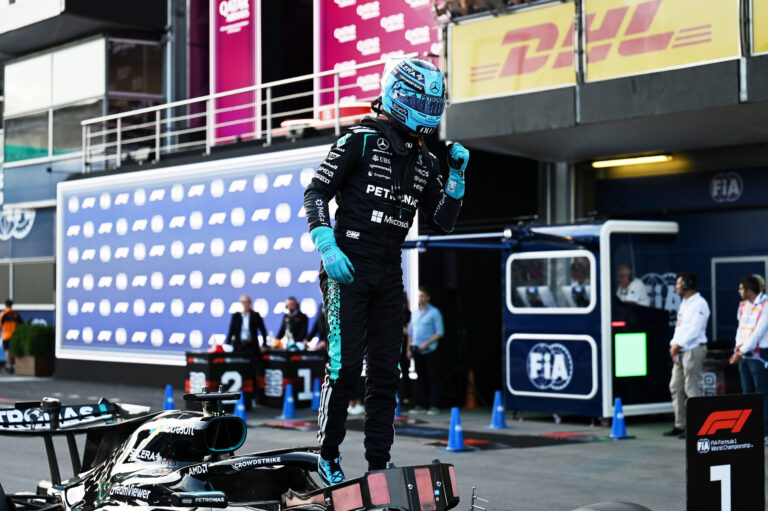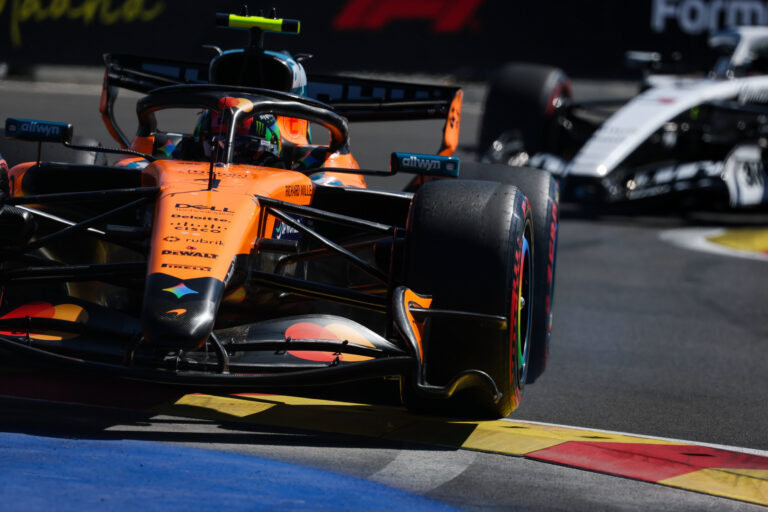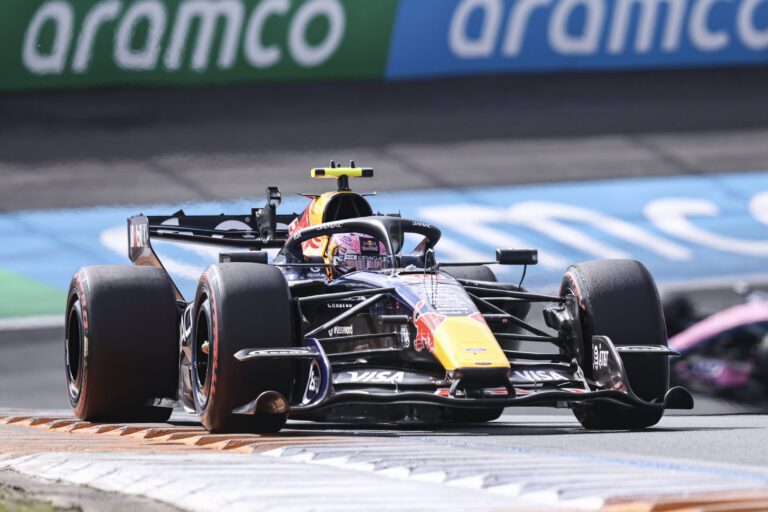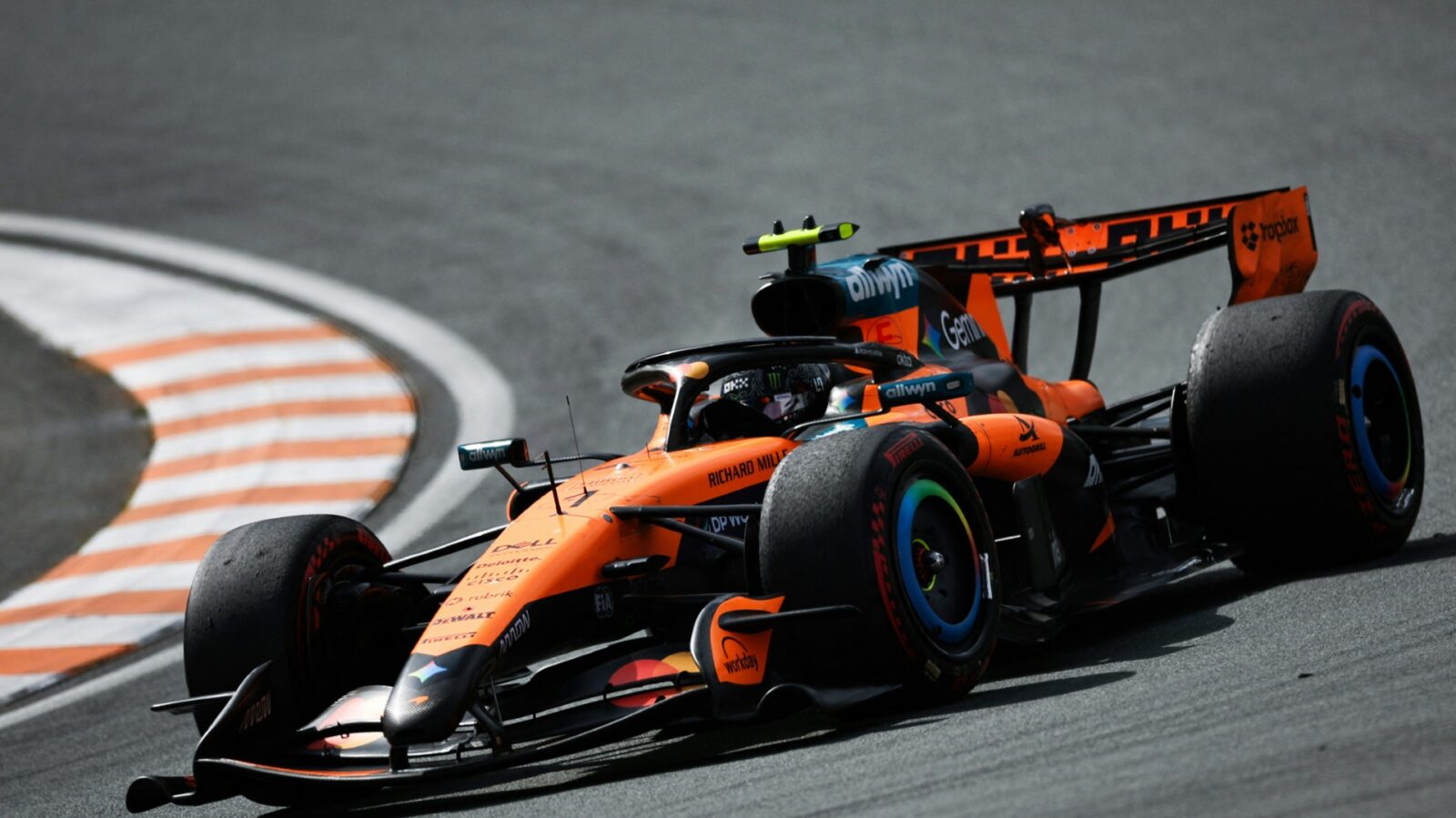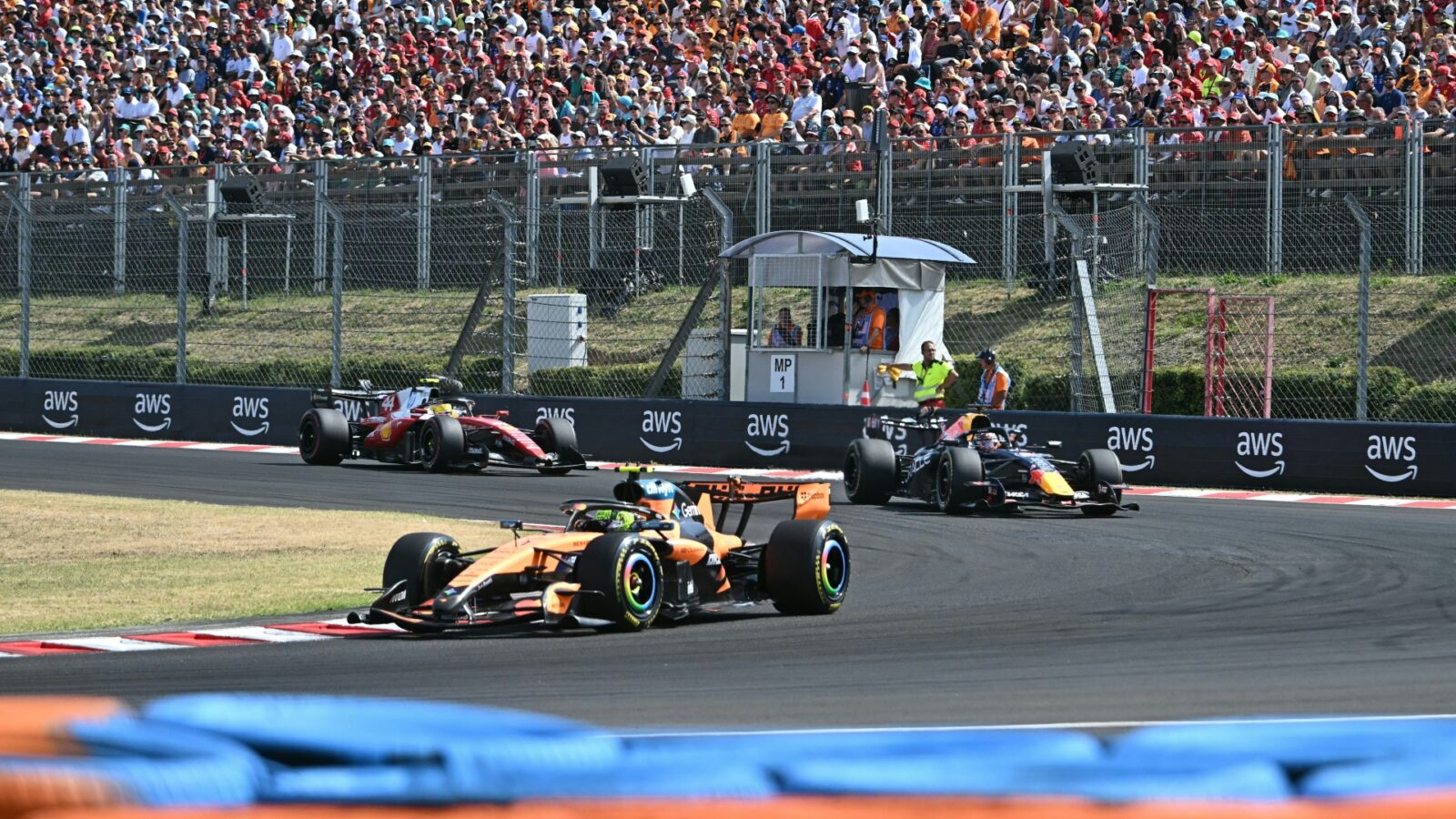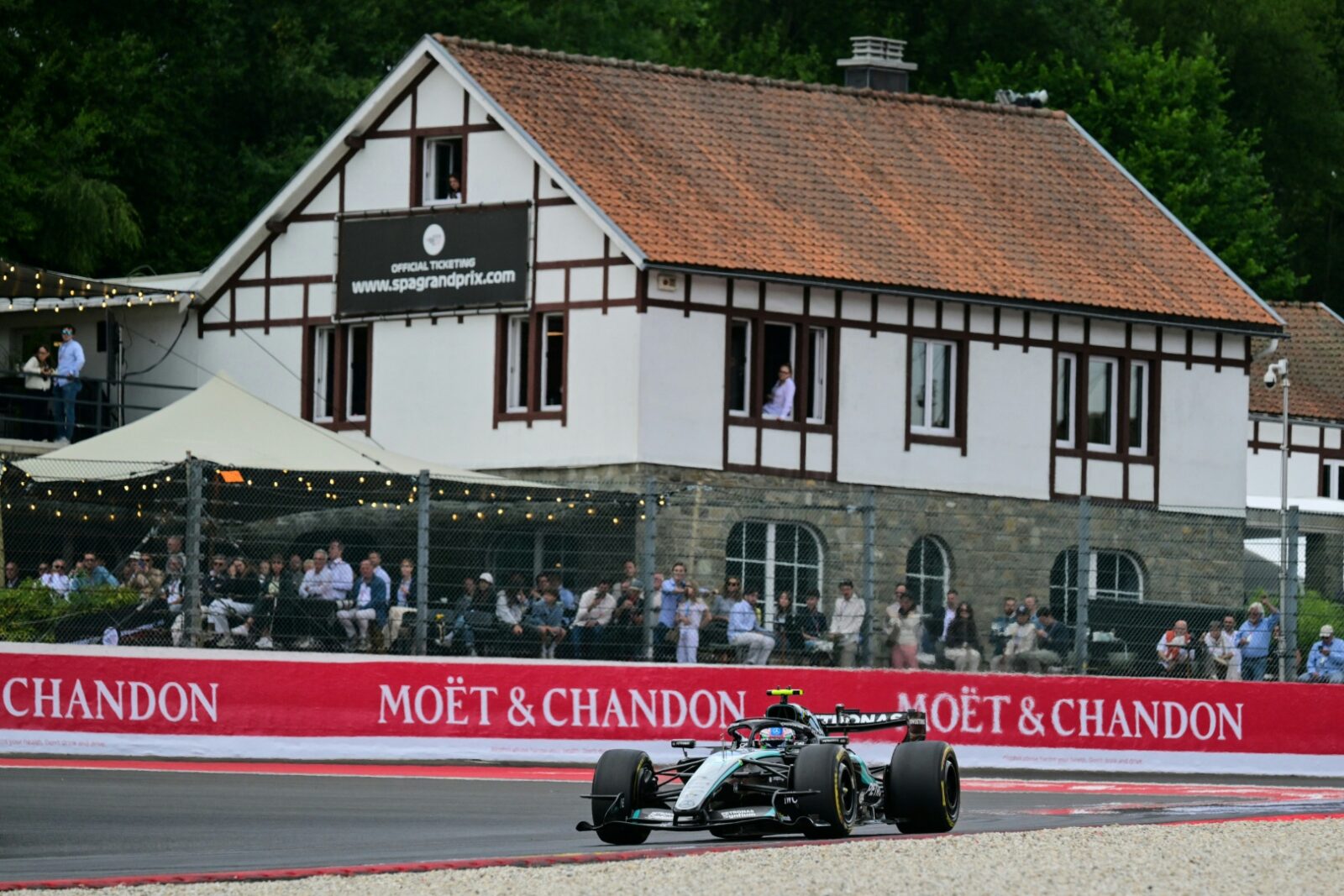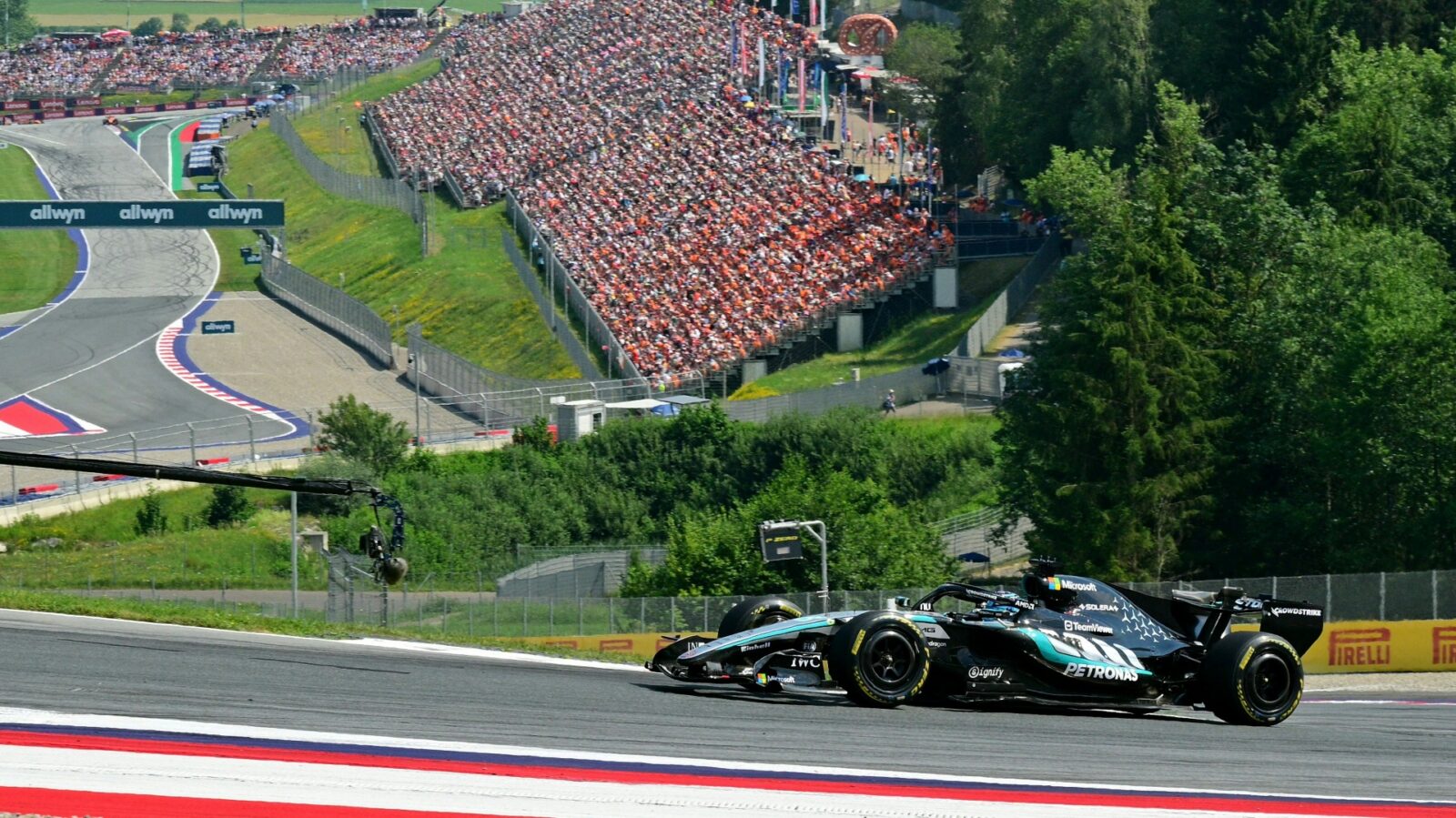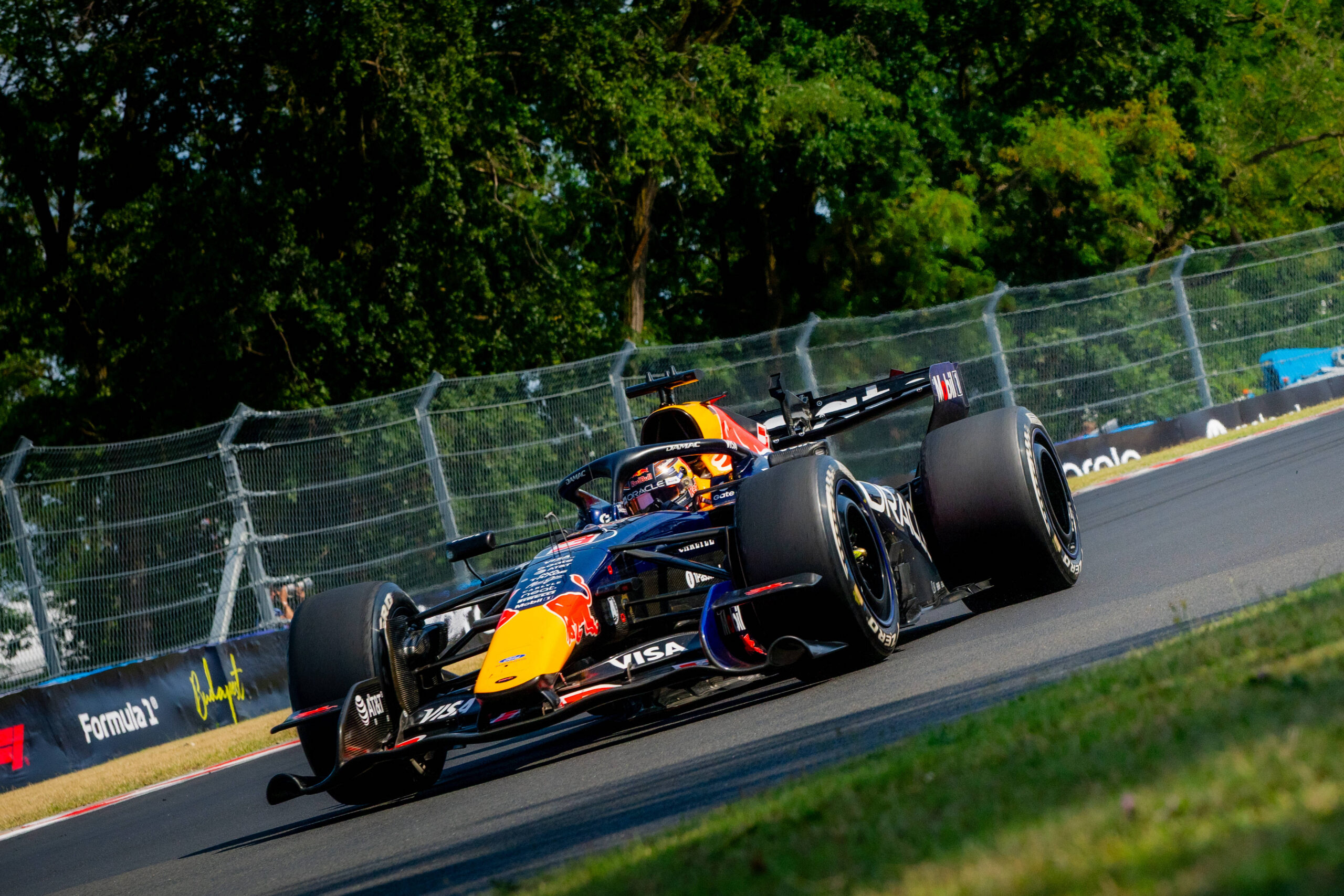
Formula 1 CEO Stefano Domenicali recently confirmed the planned expansion again as part of Liberty Media’s quarterly earnings announcement. Liberty Media is the US media and entertainment group that owns Formula 1. According to Domenicali, the shorter races have had a positive impact on Friday audiences and interest across the entire race weekend. At the same time, Formula 1 does not intend to increase the number of Sprint weekends without limit. Keeping them relatively scarce is still seen as part of their appeal.
How an F1 Sprint weekend works
Sprint races were first trialled at three events in 2021, and six have been held each season since 2023. In 2026, F1 Sprints are being staged in Shanghai, Miami, Montreal, Silverstone, Zandvoort and Singapore.
A Sprint weekend differs significantly from a traditional Grand Prix weekend. Friday features just one Free Practice session before Sprint Qualifying takes place later in the day. The Sprint itself, which covers around 100 kilometres and usually lasts approximately 30 minutes, is held on Saturday. There is no mandatory pit stop. Championship points are awarded to the top eight finishers, with eight points for the winner and one for eighth place. The regular Qualifying session for Sunday’s Grand Prix then takes place later on Saturday.
That means a Sprint weekend features four sessions with direct sporting consequences, compared with only Qualifying and the Grand Prix on a conventional race weekend.
Formula 1 points to growing interest
For those running the championship, the advantage is clear: there is something at stake from Friday onwards. Domenicali recently pointed to a Friday attendance of around 150,000 at the Silverstone race weekend, arguing that fans coming to the circuit should also be given meaningful competitive running.
The television figures also support the format from Formula 1’s perspective. According to official figures, average audiences for Sprint weekends in 2024 were around ten percent higher than for conventional events.
One venue for 2027 is already known. According to ACI president Geronimo La Russa, Monza is set to host a Sprint for three consecutive years from next season. The famous Italian circuit already staged one of the first Sprint races in Formula 1 history in 2021.
Less practice could create more surprises
From a sporting perspective, a Sprint weekend significantly changes how teams prepare. Drivers and engineers have just one hour of practice to understand the set-up, tyre behaviour and their cars. Mistakes in finding the right configuration can therefore be much harder to correct.
That can create opportunities for outsiders and increase the pressure on the leading teams. At the same time, an additional race also brings another opportunity for crashes and technical damage – and therefore an added risk ahead of the Grand Prix itself.
Not every driver is entirely convinced by further expansion. Williams driver Carlos Sainz Jr. said in February that he was generally open to more Sprints, but believed the concept should be refined further before any major increase. Charles Leclerc has argued that Sprint weekends should remain limited to a minority of events and described the current six as the ideal number.
More racing, but also greater demands
Others would go considerably further. Alpine adviser Flavio Briatore recently backed the idea of holding a Sprint at every Grand Prix. In his view, an additional race offers spectators considerably more than further practice sessions.
Formula 1 is not planning to go that far for now. Nevertheless, the direction is clear: the Sprint has developed from an experiment into an increasingly important part of the championship. If there are indeed nine or ten Sprint weekends in 2027, an additional race would already feature at well over a third of the Grands Prix. More championship points, less practice time and additional race starts could therefore make Sprint weekends an even more significant factor in the title fight.