Ferrari have not won a Formula 1 race since Charles Leclerc’s victory at the British Grand Prix in early July. Nine races have passed since then, but after a disappointing spell, the team’s fortunes finally appear to be improving. Leclerc has drawn encouragement from Ferrari’s recent progress, while team principal Frédéric Vasseur has urged caution ahead of the October 30–November 1 race weekend.
Three consecutive podiums and an improved car
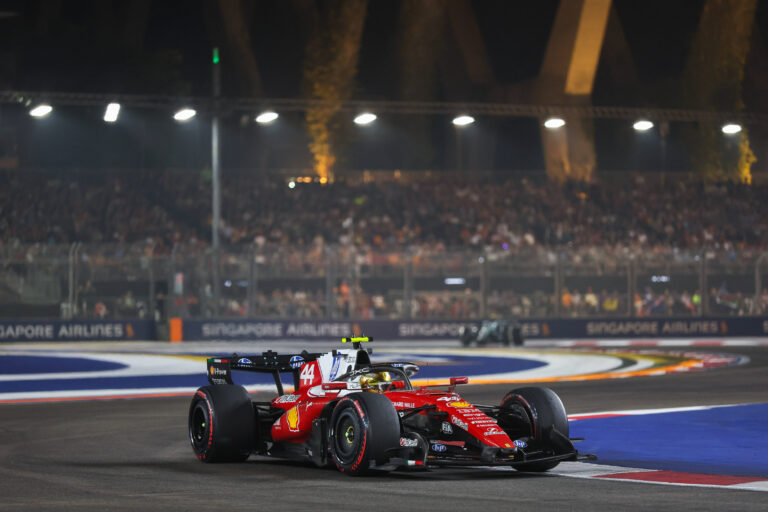
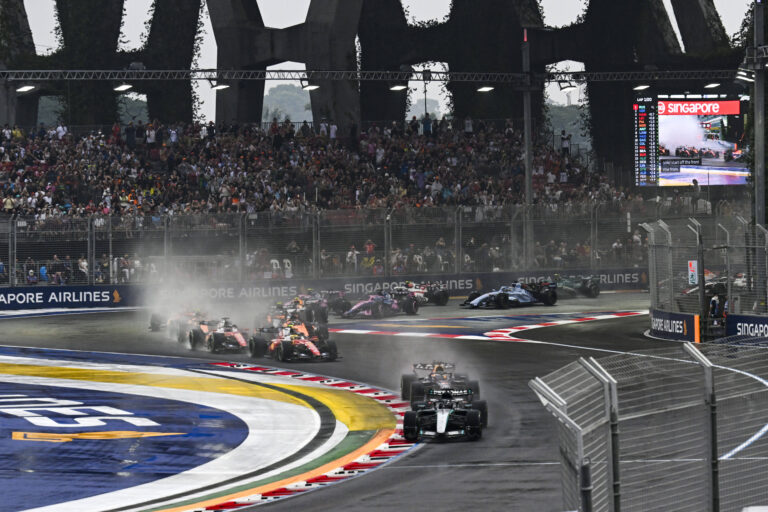
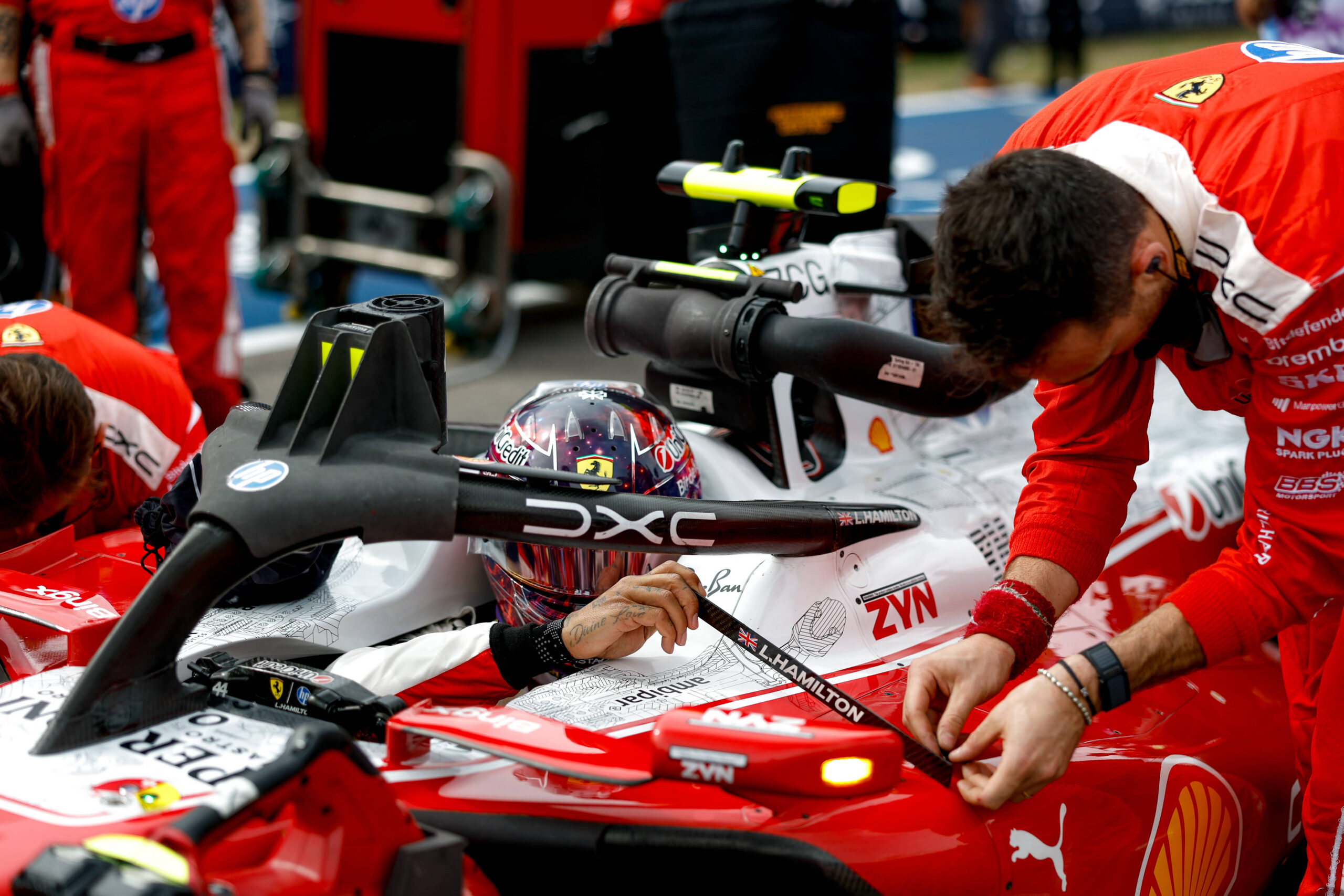
Ferrari have secured a podium finish at each of the last three Grands Prix. Lewis Hamilton finished third in Malaysia, before Leclerc claimed second place in both Singapore and Austin. Hamilton also finished fourth at the most recent race in the United States.
The Scuderia collected 30 championship points in Austin, consolidating second place in the Constructors’ Championship. Ferrari now have 474 points, leaving them 133 behind Mercedes but 119 clear of Red Bull and McLaren.
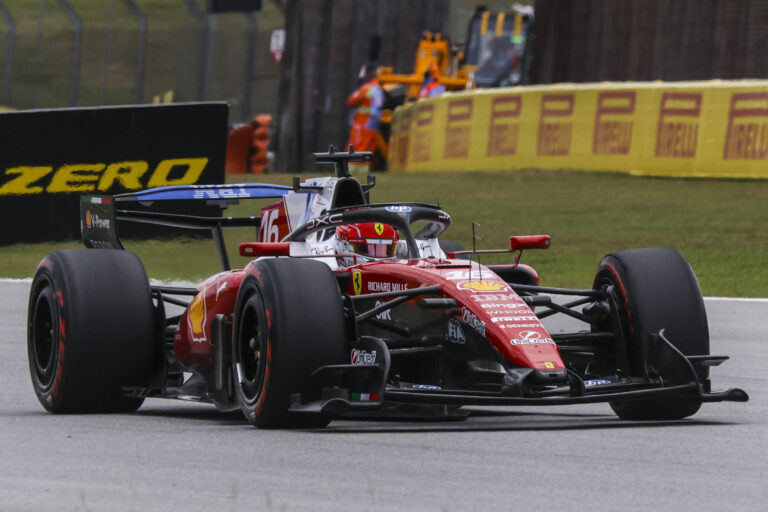
Technical developments have also contributed to the team’s recent improvement. Ferrari introduced a substantial aerodynamic upgrade package in Austin, featuring a revised floor, diffuser and modified sidepod inlets. Leclerc is now feeling considerably more comfortable behind the wheel of the SF-26.
“Over the last two or three races, I’ve found something again in my driving and especially with the setup,” the Monegasque explained after the United States Grand Prix. He also expressed confidence that Ferrari could challenge for another victory before the end of the season.
Qualifying remains Ferrari’s Achilles’ heel
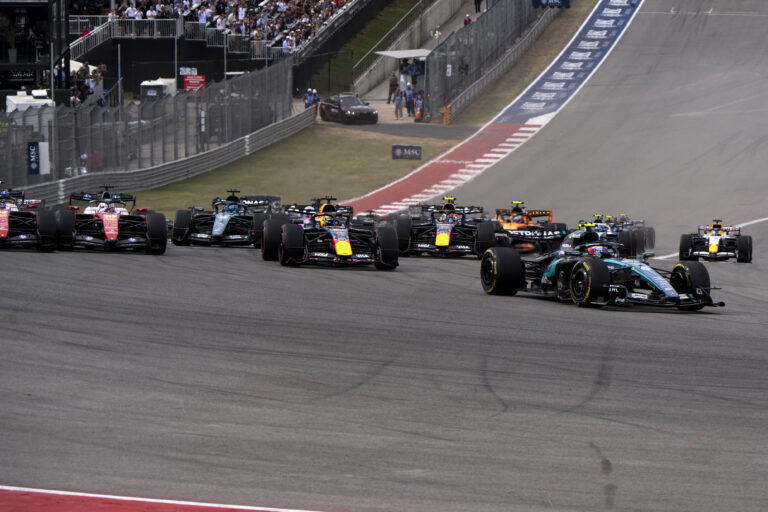
Despite their recent progress, Ferrari’s performances have exposed a recurring weakness. In Austin, Leclerc and Hamilton topped all three free practice sessions but failed to turn that advantage into a strong qualifying result. Leclerc qualified fourth, with Hamilton fifth.
Tyre management proved particularly troublesome. Leclerc explained that a temperature difference of just one or two degrees was enough to cost him crucial performance in Q3. Ferrari also continued to struggle with straight-line speed compared to Mercedes and Red Bull.
A disappointing qualifying session could prove especially costly in Mexico. Despite the circuit’s lengthy main straight, overtaking at the Autódromo Hermanos Rodríguez is difficult because the thinner air reduces the effectiveness of the slipstream.
Why Mexico presents a unique challenge
The circuit sits approximately 2,285 metres above sea level. The reduced air density limits aerodynamic downforce while making engine and brake cooling considerably more difficult. Teams therefore have to run unusually large wings despite the track’s long straights.
Large sections of the circuit have also been resurfaced. Pirelli will supply the C3, C4 and C5 tyre compounds, with the speed at which grip develops on the new asphalt potentially playing a decisive role in qualifying.
Vasseur is well aware of the challenge facing his team. “Mexico is a completely different challenge to Austin. The altitude adds another variable to the setup and management of the car,” the Ferrari team principal explained. With the field so closely matched, finding the right approach to these conditions could make all the difference.
Can Leclerc challenge for victory again?
Ferrari’s recent record in Mexico offers grounds for optimism. Carlos Sainz won the race for the Scuderia in 2024, while Leclerc finished runner-up to Lando Norris the following year.
Ferrari therefore have positive memories of the circuit and arrive on the back of their most consistent run of strong results in months. Whether the latest improvements to the SF-26 will translate into competitive performance in Mexico’s unusual conditions remains to be seen.
Mercedes and Red Bull will provide formidable opposition. But if Ferrari can combine their impressive recent race pace with a stronger qualifying performance, their long wait for another victory could come to an end on Sunday.
The Mexican Grand Prix gets underway at 20:00 Central European Time.