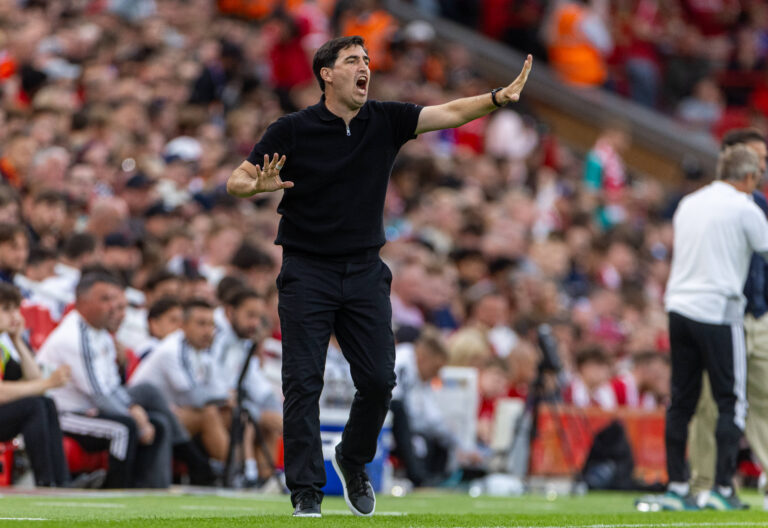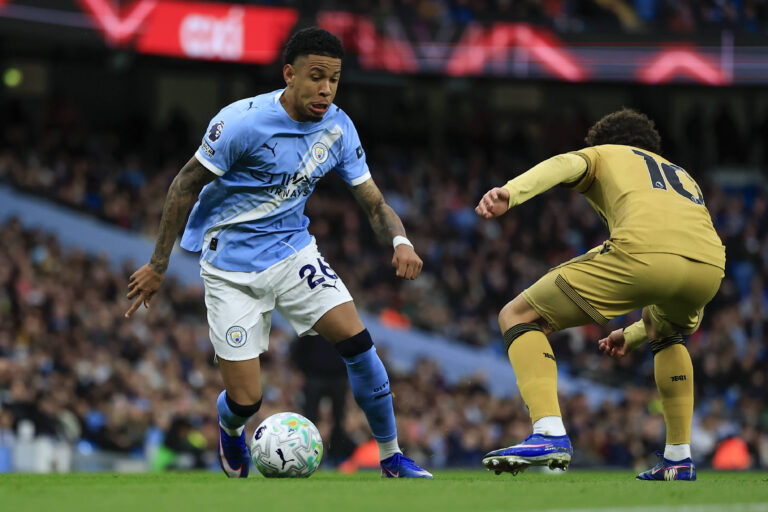
Brighton subsequently enjoyed considerably more possession and created opportunities of their own, but Liverpool protected their advantage to secure their first home league victory under Iraola. A third consecutive Premier League win lifted the Reds to fourth in the table.
Injury-hit Liverpool stick with a 4-2-3-1
Iraola remained without several players, including Dominik Szoboszlai, Jeremie Frimpong, Conor Bradley and Hugo Ekitiké. Liverpool lined up in a 4-2-3-1, with Alexander Isak leading the attack and Florian Wirtz, Cody Gakpo and Bradley Barcola operating behind him. Ryan Gravenberch and Alexis Mac Allister formed the central midfield partnership.
Brighton manager Fabian Hürzeler also opted for a 4-2-3-1. Pascal Groß and Chema Andrés anchored midfield, while Charalampos Kostoulas led the line. The visitors were missing important wide attacking options in Kaoru Mitoma and Yankuba Minteh.
Both sides wanted to build patiently from the back, but their approaches differed. Liverpool pressed aggressively early on and looked to attack quickly down the flanks. Brighton, meanwhile, attempted to play through the first line of pressure with short passes before exploiting space in midfield.
Liverpool make their early pressure count
Brighton suffered an early setback when Ferdi Kadıoğlu was forced off injured in the sixth minute, with Costinha coming on in his place. Liverpool had already begun putting the visitors under pressure with their high-tempo approach.
Gakpo tested goalkeeper Bart Verbruggen, while Isak squandered a promising opportunity following a poor first touch. Brighton also threatened at the other end. Yasin Ayari found himself with an excellent chance after a turnover but fired well over from close range.
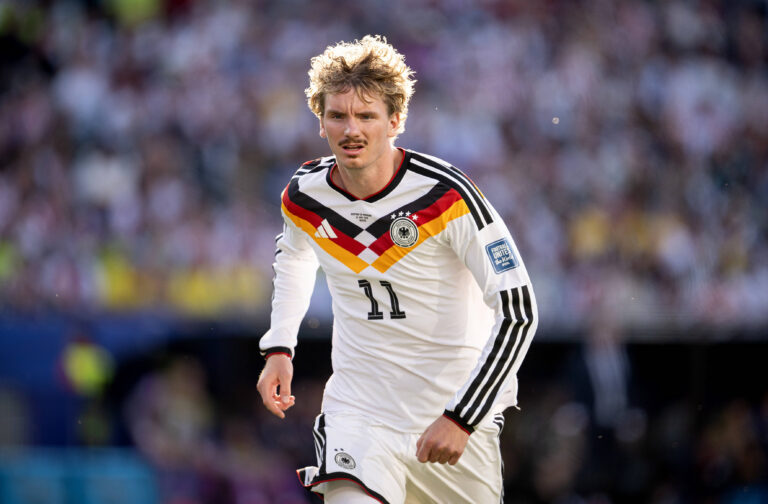
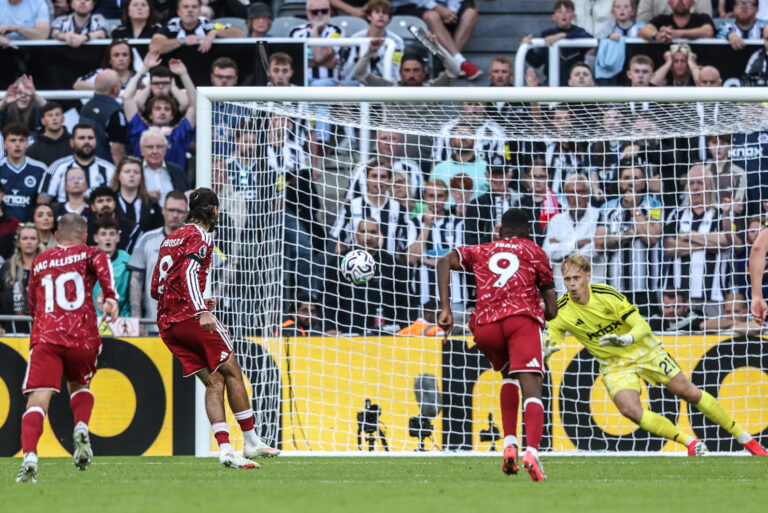
Liverpool broke the deadlock in the 17th minute. The ball reached Wirtz inside the penalty area and the German struck immediately. His effort took a decisive deflection off Groß and ended up in the net, with the goal officially credited as an own goal.
Brighton’s failure to protect the central area of the box allowed Wirtz to get his shot away. The unfortunate touch from Groß then left Verbruggen with no chance of keeping it out.
Isak doubles the lead after Barcola’s delivery
Just four minutes later, Liverpool made it 2-0. Barcola beat his opponent on the flank and delivered a well-timed ball across goal. Isak was perfectly positioned near the right-hand edge of the six-yard box and converted from close range.
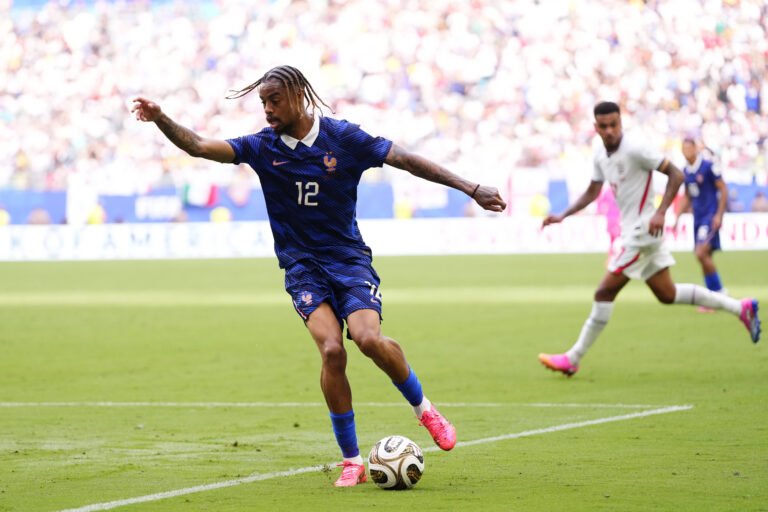
Barcola was particularly troublesome for Brighton’s defence during this spell. His pace and direct dribbling repeatedly created space for Liverpool in wide areas.
The hosts continued to threaten in search of a third goal, but Brighton gradually improved their defensive organisation and became more successful at playing through Liverpool’s pressing.
The Reds also began to show some weaknesses. With their players pushing high up the pitch, they left space for Brighton to attack following turnovers. The visitors struck the woodwork in the 36th minute and produced further dangerous moves before the interval, although Liverpool retained their two-goal advantage.
Brighton take the initiative after half-time
Hürzeler made a change at the break, introducing Jack Hinshelwood for Olivier Boscagli. Malick Yalcouyé then replaced Chema Andrés shortly afterwards.
Brighton began to dominate possession and tried to push Liverpool back through longer passing sequences. The visitors increasingly found players between the lines and spent more time attacking in the hosts’ half.
Liverpool, by contrast, struggled to maintain the intensity of their opening 20 minutes. Their high press became less effective, while attacking options were often limited when they regained possession and looked to counter.
Despite their growing territorial advantage, Brighton struggled to create clear-cut chances consistently. Liverpool defended more compactly around their penalty area and frequently cut out the final pass into dangerous positions.
Wirtz was substituted in the 65th minute after experiencing discomfort in his foot or ankle, with Trey Nyoni replacing him. Iraola later introduced two more young attacking players, Rio Ngumoha and Lewis Koumas. Brighton continued searching for a way back into the contest but could not find the breakthrough.
Brighton’s superior chances prove insufficient against Liverpool
Brighton finished with 64 per cent possession and registered 17 shots, compared with Liverpool’s 13 attempts from just 36 per cent possession. The visitors also led 39-29 in touches inside the opposition penalty area, reflecting their greater share of the attacking play.
The expected-goals figures were particularly revealing. Brighton finished ahead by 1.35 xG to 0.87, indicating that the visitors created the better opportunities overall. Liverpool’s 2-0 victory was therefore more comfortable than the underlying quality of the chances would suggest. The Reds capitalised on their productive opening spell, while Brighton failed to turn their opportunities into goals.
Liverpool climb to fourth in the Premier League
Liverpool now have 15 points from eight league matches and move up to fourth place. After an inconsistent start to the campaign, Iraola’s team have found greater stability and recorded three consecutive Premier League victories.
Their opening spell against Brighton demonstrated how dangerous Liverpool can be when combining aggressive pressing with quick attacks down the flanks. The second half, however, also highlighted their continuing difficulties in controlling matches over longer periods.
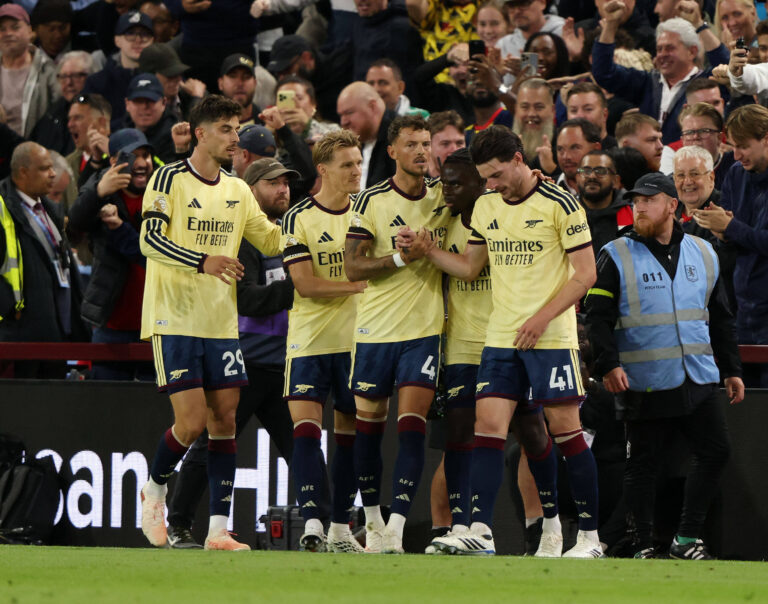
Liverpool host Chelsea in the League Cup round of 16 on Wednesday before another demanding Premier League fixture at home to Arsenal on Sunday.