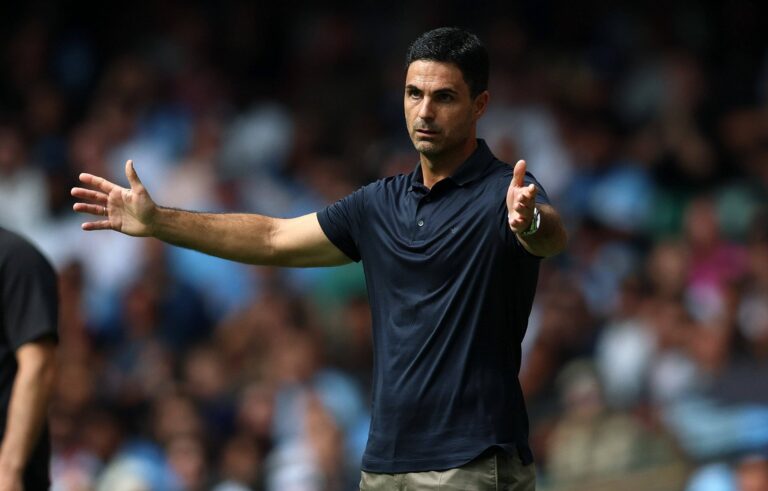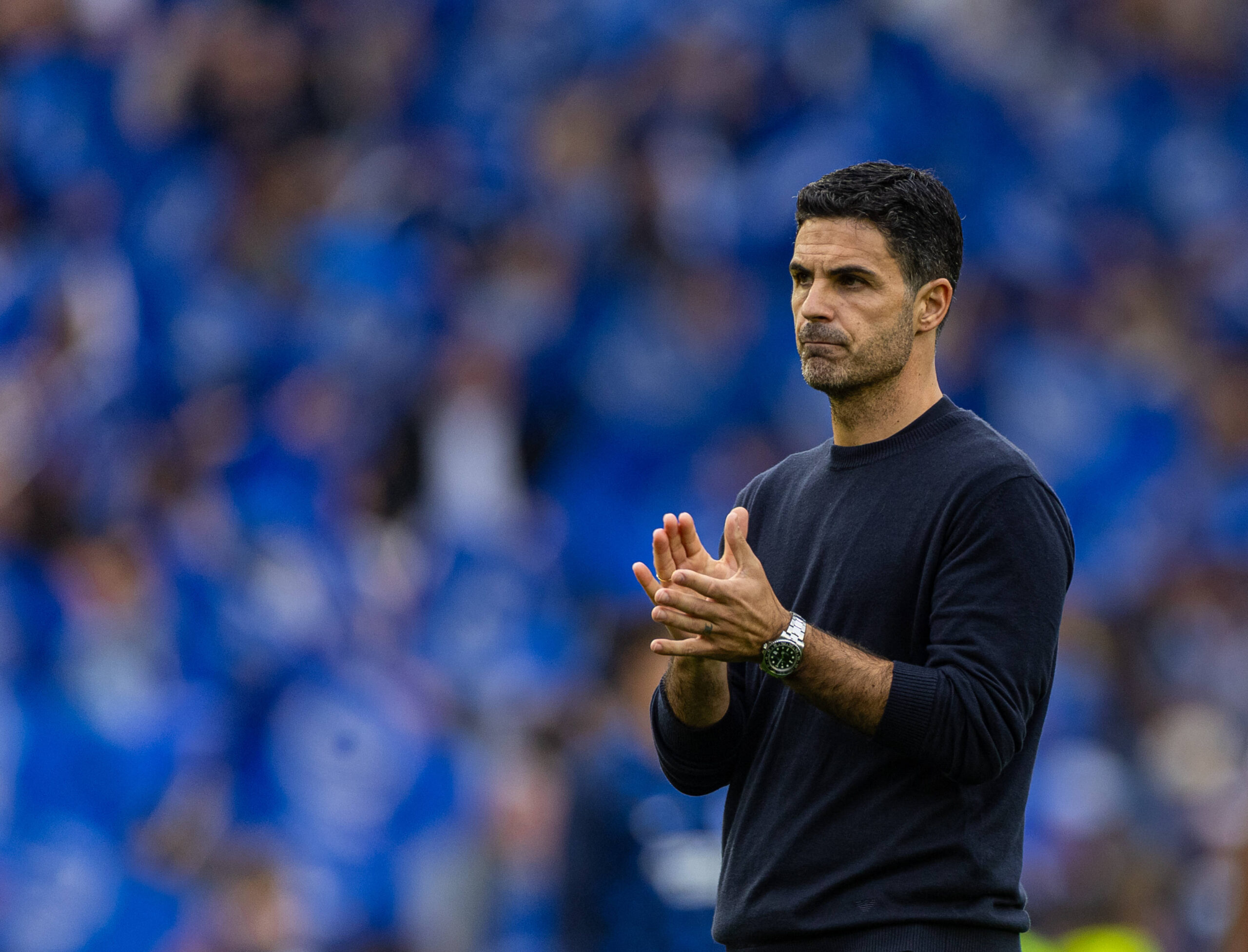
Arteta’s previous contract had been due to expire at the end of the current season. The new four-year agreement could see the Spaniard remain in charge for more than a decade – an increasingly rare length of tenure at the highest level of modern football.
Premier League title paved the way for new deal
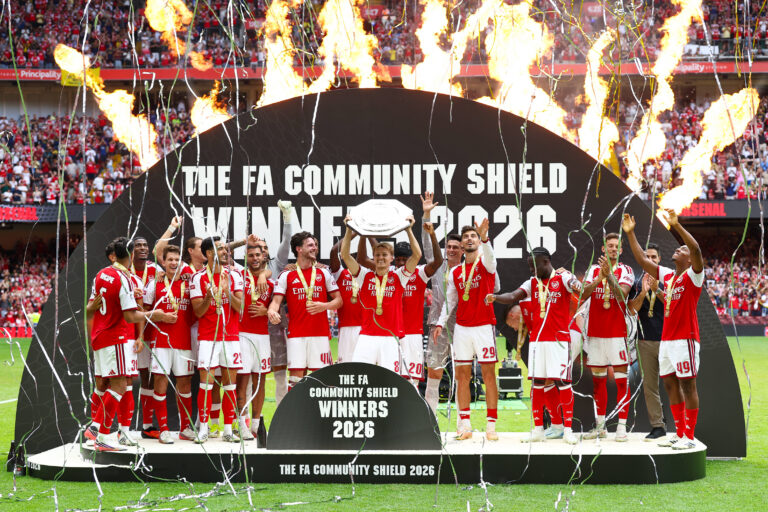
Arsenal’s desire to continue with Arteta had long been clear internally. Last season, the Spaniard guided the Gunners to the Premier League title for the first time since 2004 after three consecutive runners-up finishes, providing the ultimate sporting justification for extending their partnership.
The title was also a significant milestone for Arteta personally. After several near misses, he had openly questioned whether he was capable of leading this team to a major trophy. Winning the Premier League finally delivered the success Arsenal had spent years building towards.
The London club also reached the Champions League final for the first time since 2006. Arsenal were eventually beaten by Paris Saint-Germain on penalties.
Talks had already begun during the title-winning season
Negotiations over a new contract started during last season. With Arsenal involved in a tight title race, however, Arteta and the club’s hierarchy did not want discussions over his future to distract from their sporting objectives.
After winning the league, Arsenal initially turned their attention to strengthening the squad over the summer. Contract talks were then stepped up again. Chief executive Richard Garlick led the negotiations, with sporting director Andrea Berta and the Kroenke ownership also involved.
The first international break of the season provided a natural opportunity to finalise the agreement. Arteta’s coaching staff have also signed new contracts aligned with the manager’s deal, underlining Arsenal’s commitment to continuity throughout the entire coaching structure.
From a difficult rebuild to Premier League champions
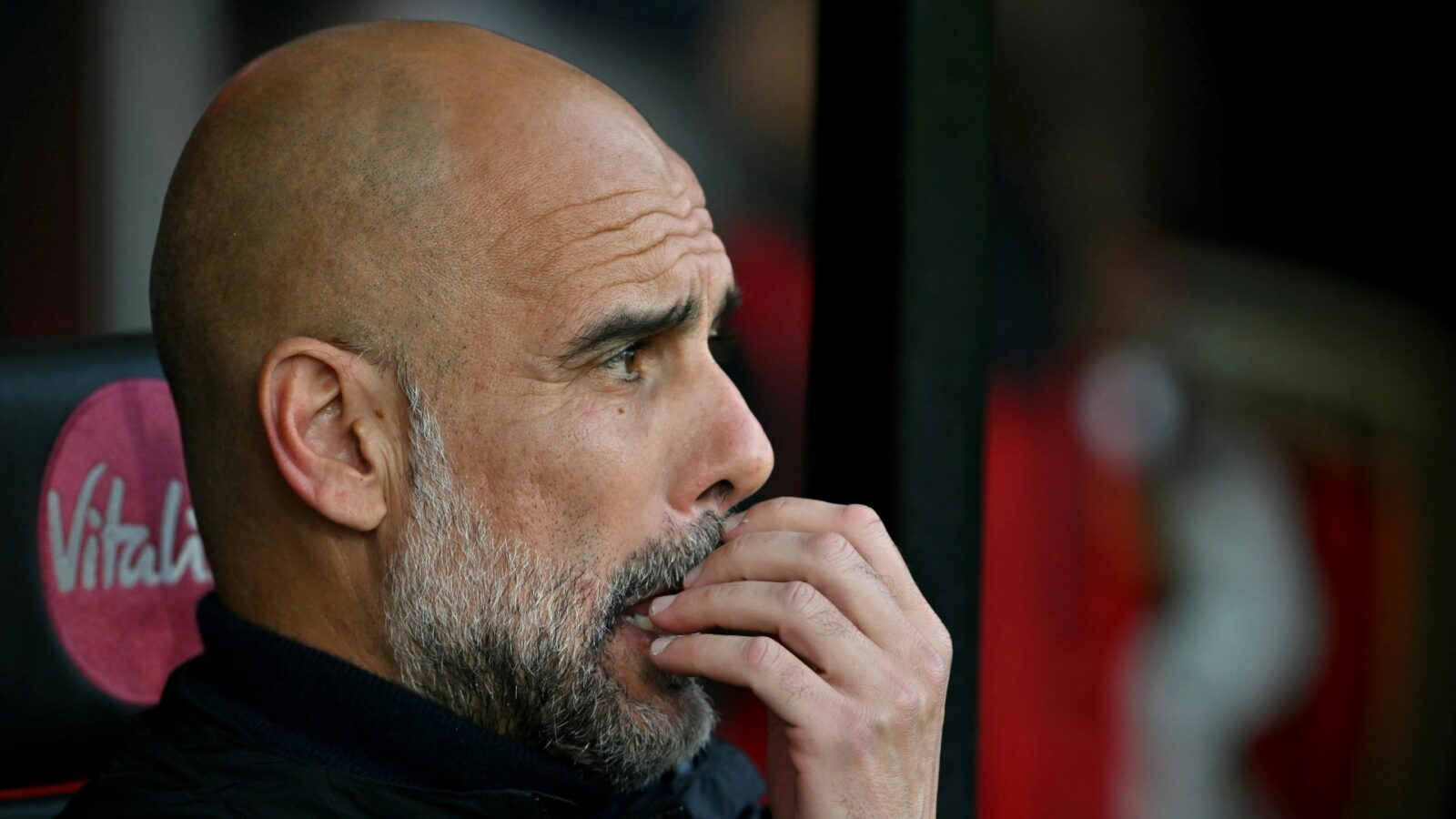
Arteta took charge of Arsenal in December 2019, taking on his first job as a head coach. The former Arsenal midfielder had previously spent several years working as Pep Guardiola’s assistant at Manchester City.
The early years were far from straightforward. Arteta came under considerable pressure during the 2020/21 season after a prolonged run without a Premier League victory, but the club’s hierarchy continued to back both their manager and the wider project.
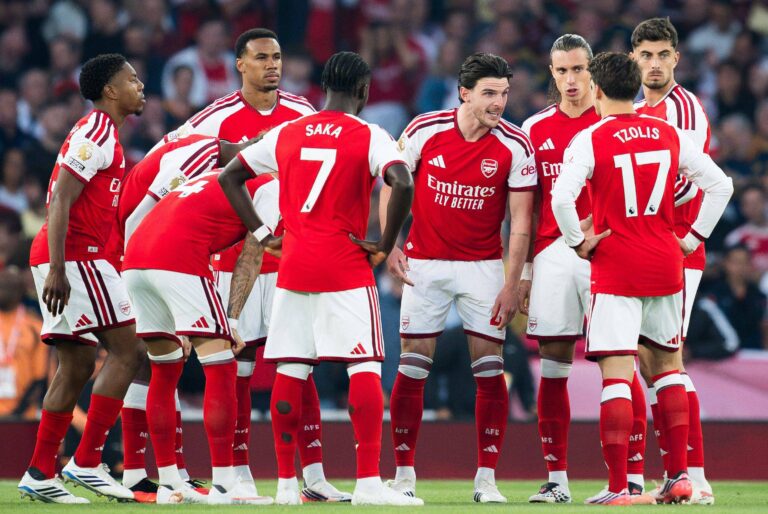
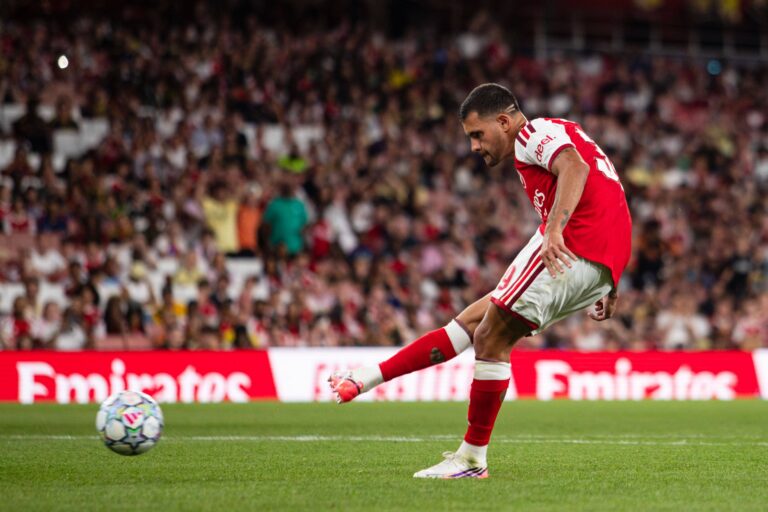
Arsenal subsequently transformed their squad. Young players such as Bukayo Saka and Martin Ødegaard developed into key figures, while Declan Rice, David Raya, Kai Havertz and Jurriën Timber were among the major additions. What was once one of the youngest teams in the Premier League has gradually matured into a side whose leading players are now entering their prime years.
Three consecutive second-place finishes had already demonstrated Arsenal’s progress. The 2026 title ultimately represented the breakthrough.
Arteta calls it a privilege
The Spaniard made clear after the announcement how closely connected he now feels to the club. “It’s a privilege to commit my future to the club and to continue to work with exceptional people who want the best for Arsenal,” Arteta said.
Arsenal’s next objective is to turn their first league title in 22 years into a sustained period of success. That also represents Arteta’s next challenge. Many of his most important players are currently in their prime, but the squad will still need to evolve over the longer term if Arsenal are to remain at the top against rivals undergoing their own rebuilds.
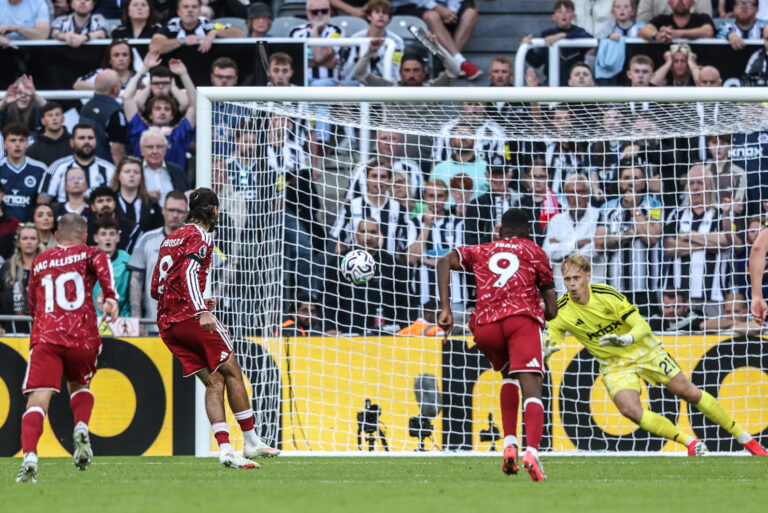
Arteta has repeatedly shown a willingness to adapt his methods and experiment with new approaches. Arsenal also made an excellent start to this season, winning seven of their first eight matches before suffering a 3-0 defeat to Brighton immediately before the international break.
Arsenal commit to long-term continuity
Since Pep Guardiola’s departure from Manchester City, Arteta has been the longest-serving manager across the top four divisions of English football. On December 20, it will be seven years since he took charge of Arsenal.
By the time his new contract expires, Arteta would have been in charge for more than a decade. Arsenal are therefore committing to an increasingly unusual model in modern elite football: rather than beginning a new cycle after winning the title, the club want Arteta to continue developing the team and establish Arsenal as a lasting force at the top of English and European football.
If Arteta sees out his contract, he would become the third-longest-serving manager in Arsenal’s history, behind only Arsène Wenger and George Allison. The next hurdle is retaining the Premier League title – something only Sir Alex Ferguson, José Mourinho and Pep Guardiola have achieved in the Premier League era.