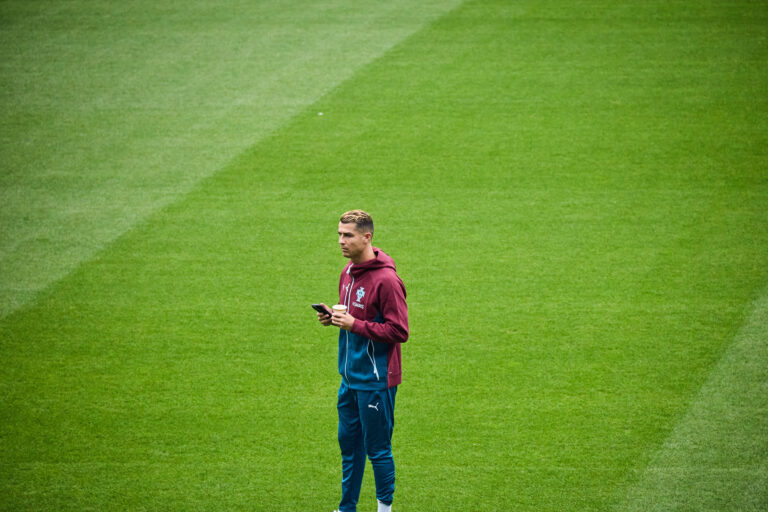
At the same time, Ronaldo admitted to making mistakes of his own, apologised to supporters and team-mates and made it clear that, despite the dispute, he still wants to play for Portugal. Jesus, meanwhile, has remained conspicuously restrained in his public response.
The beginning: A detailed workload plan for Ronaldo
According to Ronaldo, the story goes back to the immediate aftermath of the 2026 World Cup. At that point, he had already prepared a farewell letter to Portuguese supporters. On the flight home from the United States, however, federation president Pedro Proença reportedly asked him to reconsider and continue with the national team.
Ronaldo also claims that he was asked for his opinion on Jorge Jesus before the coach was appointed and that he explicitly supported the choice.
The two later met in person. According to Ronaldo, Jesus presented him with a detailed workload-management plan. Within the long Nations League camp, Ronaldo was supposed to play the first and final matches, with rest periods in between.
Jesus is even said to have suggested that Ronaldo should not travel to Norway and Denmark at all. The record international rejected that idea, however: as captain, he wanted to remain with the squad even if he was not going to play.
Norway match becomes the trigger
Ronaldo started the opening game of the camp. For the following away match in Norway, he began on the bench as planned.
Then the situation changed.
At lunch on matchday, Jesus reportedly had Ronaldo informed that he might be needed for around 30 minutes. Ronaldo agreed, despite the fact that this was not originally part of his recovery programme.
Portugal found themselves in a tight game in Oslo and Ronaldo began warming up at half-time. In the end, however, he was not brought on.
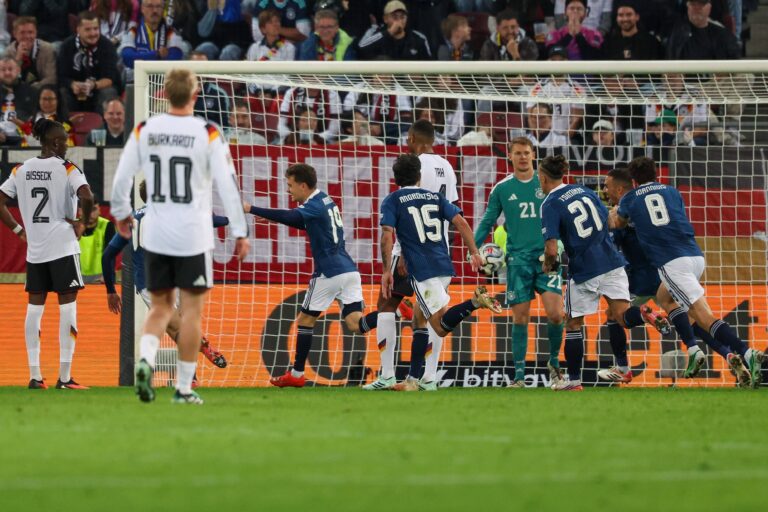
Portugal won 2-1, but the captain headed straight down the tunnel after the final whistle and did not join his team-mates in thanking the travelling supporters.
Jesus later explained publicly that he had initially expected to use Ronaldo but that the way the match developed led him to make different decisions. It was the first time since 2008 that Ronaldo had remained unused for the full 90 minutes of a competitive Portugal match in which he was available.
Ronaldo: “The coach broke his word”
That is exactly where Ronaldo’s fundamental criticism begins.
“I warmed up from half-time, watched the minutes pass and was not called. The national coach had broken his word to me,” Ronaldo wrote in his lengthy statement.
At the same time, he took responsibility for his reaction towards the fans. He said that after the match he simply wanted to be alone, but acknowledged that walking straight to the dressing room had been wrong.
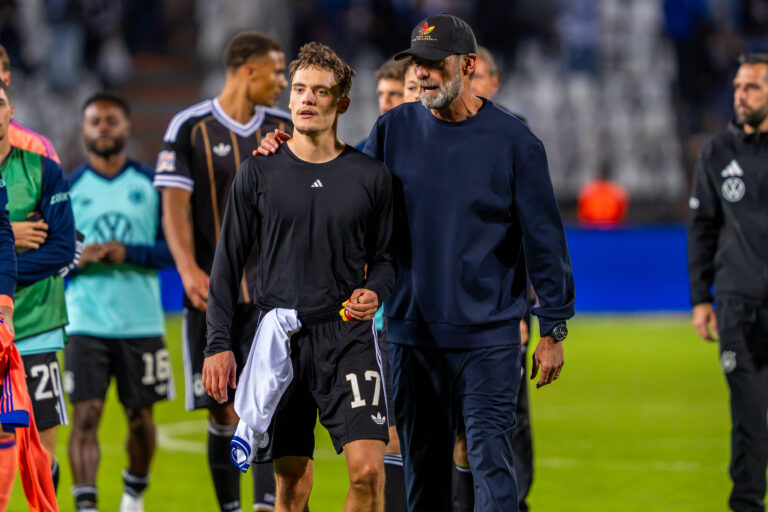
Initially, the dispute still appeared capable of being resolved. Two days later, Ronaldo, Jesus and Simão Coutinho, Al-Nassr’s sporting director and a figure trusted by both sides, met for talks.
According to Ronaldo, the conversation was extremely direct, but they eventually agreed on a common way forward.
Eight-point document was meant to end the dispute
The crucial element of those talks was apparently the planned press conference ahead of the Denmark match.
Ronaldo claims Jesus promised to clarify several issues publicly. Among other things, the coach was supposed to explain that Ronaldo had never demanded playing time, that the workload plan had come from Jesus himself and that the captain had always respected sporting decisions.
One particularly unusual point in the allegedly agreed document was that Jesus was supposed to admit that it had been a mistake to make a player “of the stature of Pelé or Maradona” warm up for so long and then not use him.
Ronaldo stressed that he had not asked for an apology.
His behaviour towards the supporters was also supposed to be put into context. According to the agreed notes, Jesus was expected to point out that a player with more than 230 appearances for Portugal did not need lessons about his commitment to the country.
Press conference causes the final break
The press conference, however, unfolded very differently.
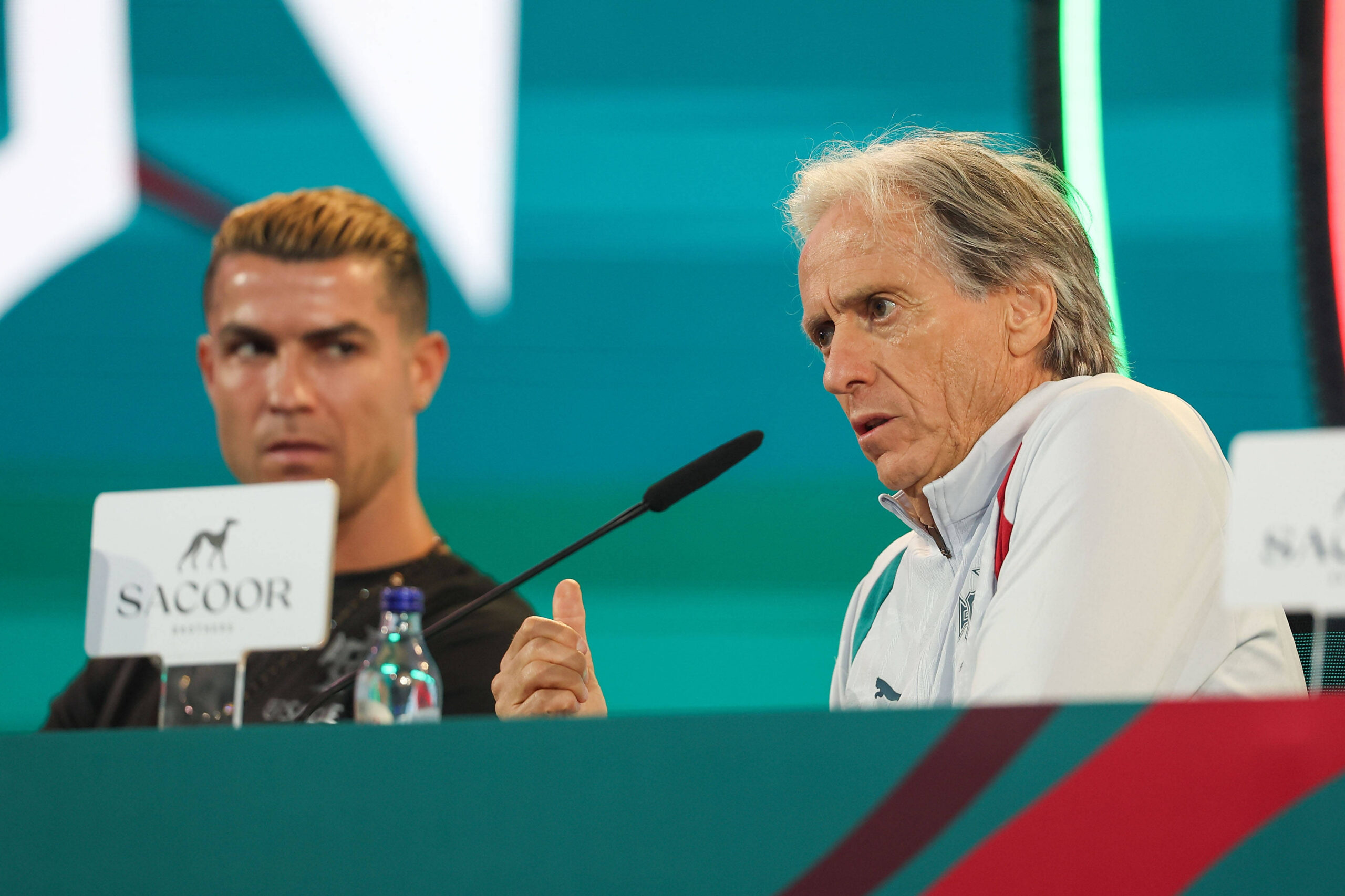
Jesus publicly emphasised his authority as head coach and made it clear that he alone decides who plays. For Ronaldo, the tone bore no resemblance to either their private discussion or the points they had allegedly agreed upon.
“It was the second time that he had failed to keep his word to me,” the superstar said.
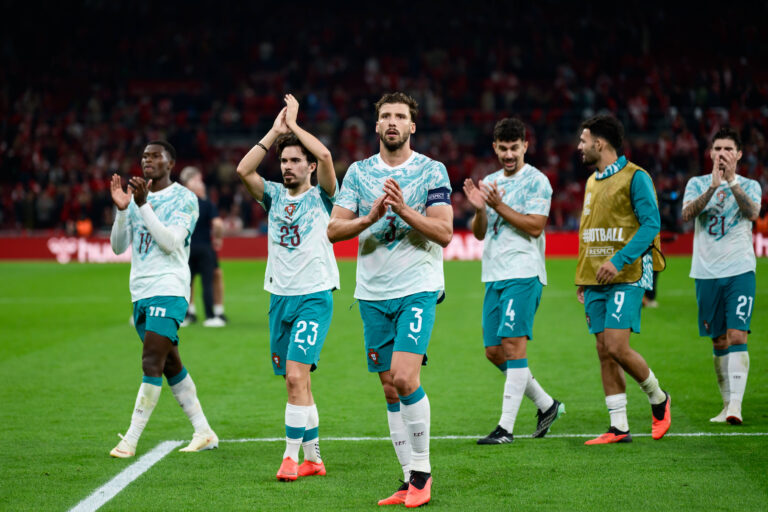
Ronaldo left the Portugal camp soon afterwards. By the time Portugal beat Denmark 4-2, he was no longer with the squad. Gonzalo Ramos started up front, while Rafael Leão wore Ronaldo’s “eternal” number seven. Inevitably, that too could be interpreted as another symbolic slight.
The shirt number in particular sparked considerable debate on social media, even though competition regulations meant it was not necessarily intended as any deliberate attempt to strip Ronaldo of his status.
Ronaldo apologises – and even calls for punishment
One of the most striking aspects of Ronaldo’s statement is that he does not try to justify his own decision to leave the camp.
“I should not have done it. The responsibility is mine alone,” he said with regard to his team-mates.
As captain, he argued, his misconduct should even be considered more serious. The Portuguese federation must therefore decide on the consequences, and Ronaldo explicitly said he did not expect special treatment.
At the same time, he made it clear that this is not a definitive international retirement. After serving any possible suspension, he wants to remain available as long as he is playing regularly for Al-Nassr, is physically fit and continues to score goals.
Pure farewell matches do not appear to interest him for the time being. As long as he feels capable of competing, Ronaldo does not want simply to be honoured by Portugal – he wants to continue “competing and winning”.
Jesus responds with deliberate brevity
Jorge Jesus initially left Ronaldo’s extensive accusations almost entirely unanswered.
After the statement was published, he first said that he had not yet read it. A day later, he confirmed that he had done so but still refused to engage with its substance: “I have read the statement. Now I’m going to the federation, as I do every day, to work and think about the team and the Portuguese national side.”
Jesus had already disputed the existence of the binding agreement described by Ronaldo. At the same time, however, he left the door open for a return, saying that Ronaldo could in principle be selected again.
Portuguese opinion is divided
Reaction to the dispute has been mixed.
Jesus has received a fair amount of backing in Portugal. In street interviews and online comment sections, one recurring argument has been that even a player of Ronaldo’s status must accept the coach’s decisions. The passage in the eight-point document comparing him to Pelé and Maradona was particularly seized upon by critics as unnecessary self-aggrandisement.
Others see the problem less as one of playing time and more as one of communication. If Jesus really did first promise Ronaldo around 30 minutes and then later agreed to publicly clarify the situation, Ronaldo’s anger would at least be understandable.
The case has also divided opinion internationally. Piers Morgan defended Ronaldo, highlighting his demand for honesty and respect. Other former players and pundits have stressed that a coach’s authority must remain intact regardless of any individual player’s status.
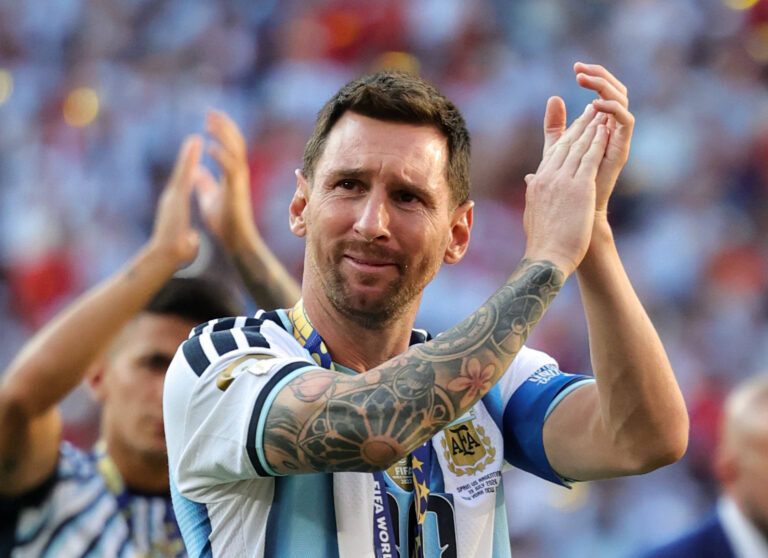
Gary Lineker even compared the situation with Lionel Messi’s emotional farewell from the Argentina national team and described it as regrettable that Ronaldo’s potentially final months in a Portugal shirt are being overshadowed by such a conflict.
The central question now is not whether Cristiano Ronaldo still wants to play for Portugal – he has answered that clearly. What remains open is whether Ronaldo and Jorge Jesus can rebuild enough trust to work together after two publicly disputed breaches of confidence. The next chapter in the saga is likely to come during the next international break in November.