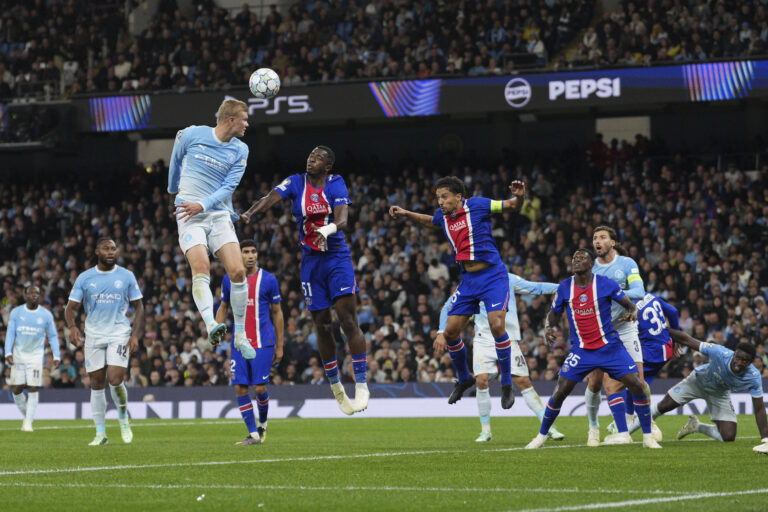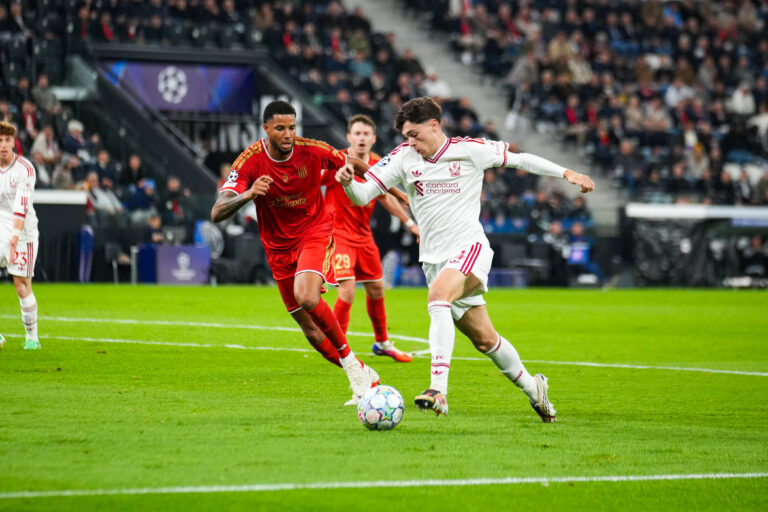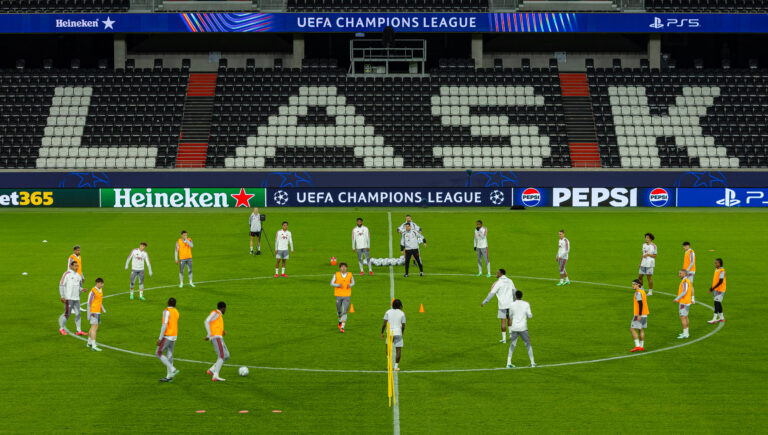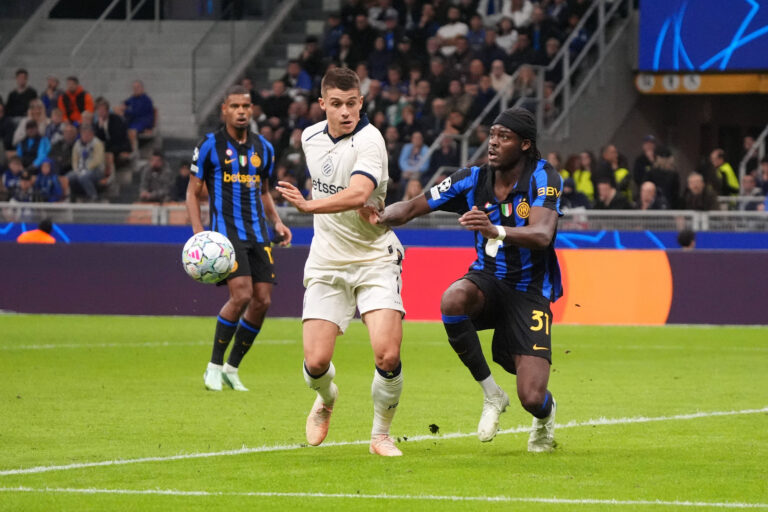
What made the result particularly impressive was the manner in which the Austrian side achieved it. Sporting entered the match as clear favourites, enjoyed more possession and dictated proceedings for significant periods. LASK, however, defended with discipline, disrupted the Portuguese side’s build-up and made excellent use of their counter-attacking opportunities.
Sporting stick with winning line-up as Kühbauer prioritises stability
Sporting head coach Rui Borges named the same starting XI that had beaten Lens 2-0. Zeno Debast, Rodrigo Zalazar and Nuno Santos were unavailable through injury. In a 4-3-3 formation, Geny Catamo and Nestory Irankunda were tasked with providing pace out wide, with Luis Suárez leading the attack.
Kühbauer opted for a 3-4-3, with Kalajdžić through the middle and Lang and Daněk alongside him in attack. Sascha Horvath and Robert Ljubičić formed the central midfield partnership. Without possession, LASK looked to close down spaces and put pressure on Sporting’s build-up. Once they regained the ball, the visitors aimed to move forward quickly.
Controversial penalty gives Sporting an early lead
LASK found themselves behind after just five minutes. Irankunda cut inside in the penalty area and went down following minimal contact with Ljubičić. Referee Nicholas Walsh pointed to the spot, and VAR did not intervene.
It was a highly debatable decision. Irankunda appeared to seek out the contact, and the slight collision was far from an obvious penalty. Suárez nevertheless converted confidently into the bottom-left corner to put Sporting ahead.
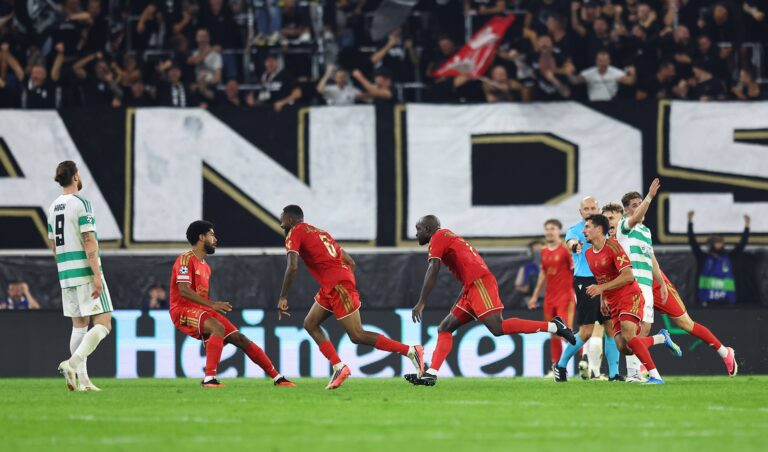
LASK responded impressively. In the 15th minute, Kasper Jørgensen played the ball from the right towards the edge of the area. Lang controlled it, turned and guided a well-placed finish into the far corner to make it 1-1.
The equaliser was by no means undeserved. Sporting had more possession but struggled to find a way through the middle against LASK’s aggressive pressing. Catamo and Irankunda increasingly relied on individual moves, while the visitors looked more threatening when breaking forward.
Lang was denied by goalkeeper Kaique following a quick attack, while Kalajdžić failed to generate enough power with a header. Shortly before half-time, Lukas Jungwirth also had to intervene, making a save from Maxi Araújo to keep the scores level.
Goalkeeper injury precedes decisive LASK double blow
The second half began with another setback for LASK. Jungwirth collided with Suárez outside his penalty area and was struck in the face by the striker’s knee. After lengthy treatment, the visibly dazed goalkeeper was replaced by Tobias Schützenauer in the 52nd minute.
The visitors nevertheless continued to attack with confidence. In the 60th minute, Xavier Mbuyamba forced Sporting goalkeeper Kaique into a save with a header. Three minutes later, LASK took the lead.
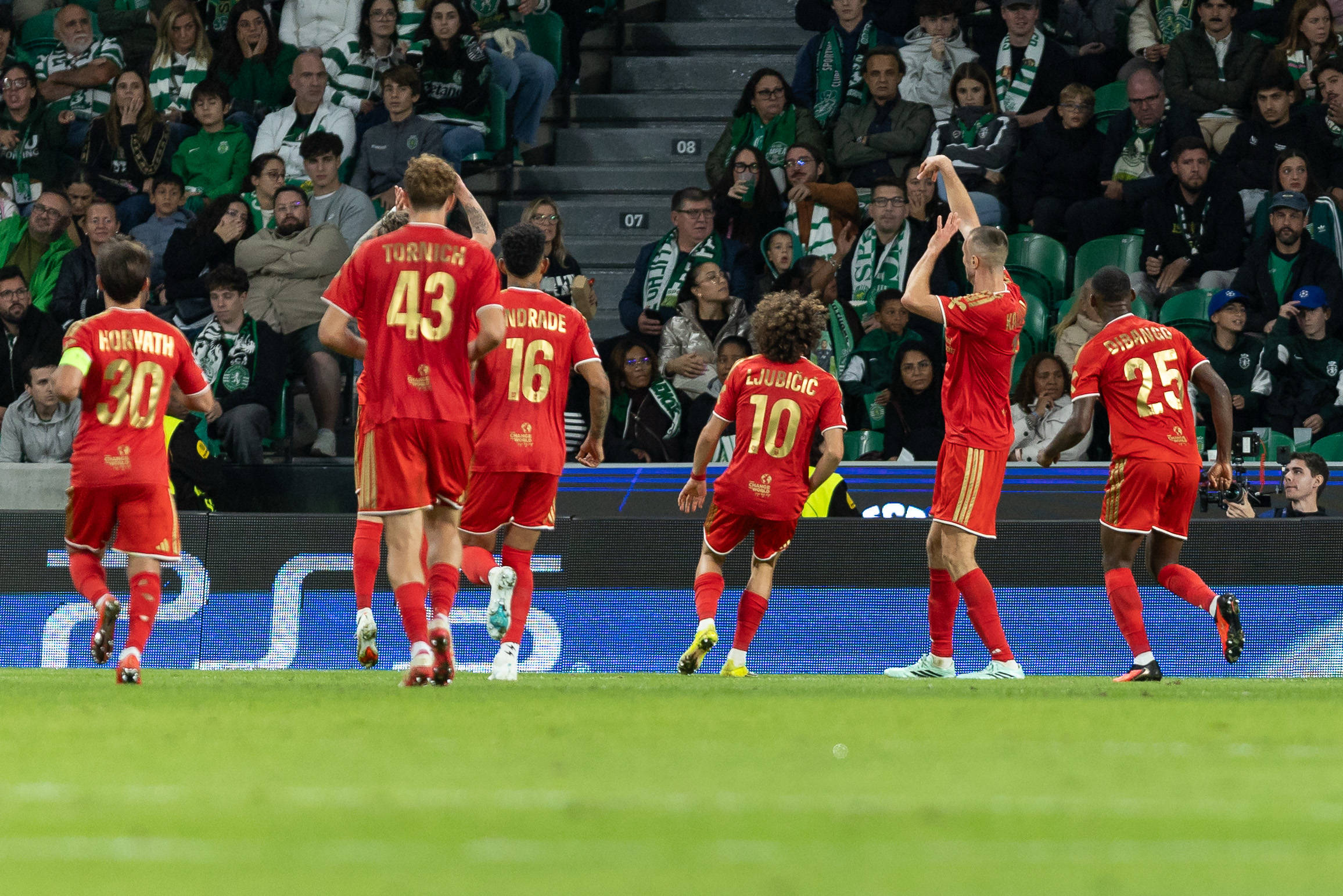
After a Sporting corner, the Austrian side broke quickly. Ljubičić carried the ball forward, waited for the right moment and released Kalajdžić, who finished from a central position into the bottom-left corner.
Sporting pushed even more players forward in response, leaving additional space behind. LASK exploited it again in the 68th minute. Substitute Samuel Adeniran initiated a rapid attack with an outside-of-the-foot pass to Daněk, whose deflected shot found the near corner for 3-1.
For all their possession, Sporting were unable to make it count. The Portuguese side committed increasing numbers forward but left large gaps behind their midfield. LASK recognised those counter-attacking opportunities and needed only a handful of touches to reach the opposition goal.
Sporting rally late but LASK hold firm
Borges responded with further attacking substitutions as Sporting increased the pressure. Issa Doumbia fired over from a promising position, Schützenauer saved from Suárez and Jesse Derry went narrowly wide.
Sporting finally reduced the deficit in the 89th minute. Schützenauer initially kept out Derry’s header following a cross, but Suárez reacted quickest to convert the rebound for 2-3. The goal also proved controversial, with LASK claiming Alessandro Schöpf had been fouled in midfield earlier in the move. The decision stood following a review.
Sporting threw everything forward during the lengthy stoppage time, with even goalkeeper Kaique joining the attack for a corner. LASK survived the final onslaught, however, and held on for a memorable victory.
Clinical LASK expose Sporting’s defensive weaknesses
Sporting’s 62 per cent possession reflected their expected advantage on the ball, but they struggled to turn that control into enough clear opportunities. The Portuguese side led the overall shot count 15-11, yet LASK actually registered more efforts on target, seven to Sporting’s four.
The expected-goals figures illustrate just how remarkable the away victory was. Sporting finished well ahead at approximately 3.1 to 1.1, although the early penalty accounted for a significant part of that advantage. LASK were exceptionally clinical in front of goal, particularly when exploiting the space Sporting left available as they pushed forward.
Lang was among the visitors’ most influential attacking players, scoring the equaliser and threatening on several other occasions. Kalajdžić offered a reliable outlet up front and converted his major opportunity to put LASK ahead. Defensively, Mbuyamba stood out with six successful tackles and ten duels won from 17 contested. His presence was crucial in preventing Sporting from turning lengthy spells of pressure into more clear-cut chances.
The hosts struggled to break down LASK’s compact defensive structure, but their biggest weakness was the protection they offered when attacking. Their counterpressing failed to function consistently, allowing the visitors to accelerate into open space after turnovers. LASK still had to withstand dangerous set pieces and considerable late pressure, but defended their lead with determination.
LASK secure first Champions League points
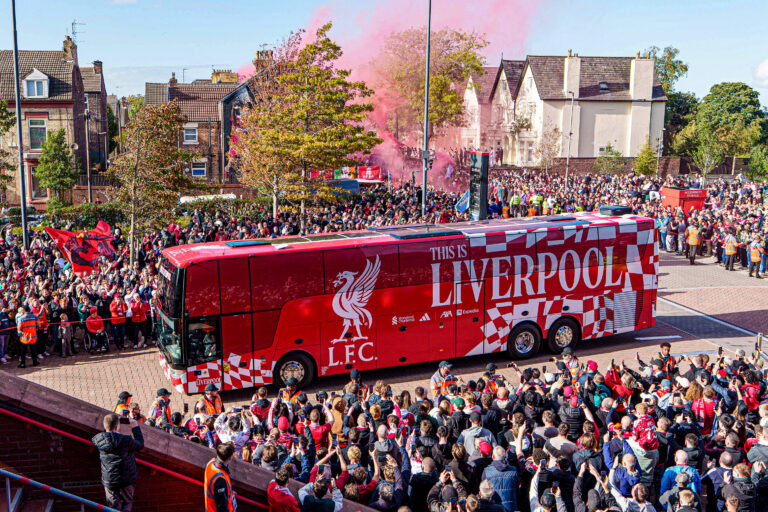
After defeats to AEK Athens and Liverpool, LASK finally have their first three points of the league phase and are back in contention for a place in the knockout rounds. The victory in Lisbon showed that Kühbauer’s team can compete with technically superior opposition when their defensive organisation holds firm and their counter-attacks are executed with purpose.
Slovan Bratislava visit Linz on November 3, giving LASK another opportunity to strengthen their position. Following this unexpected triumph over Sporting, the Austrian side have every reason to believe they can continue improving their prospects of progressing.