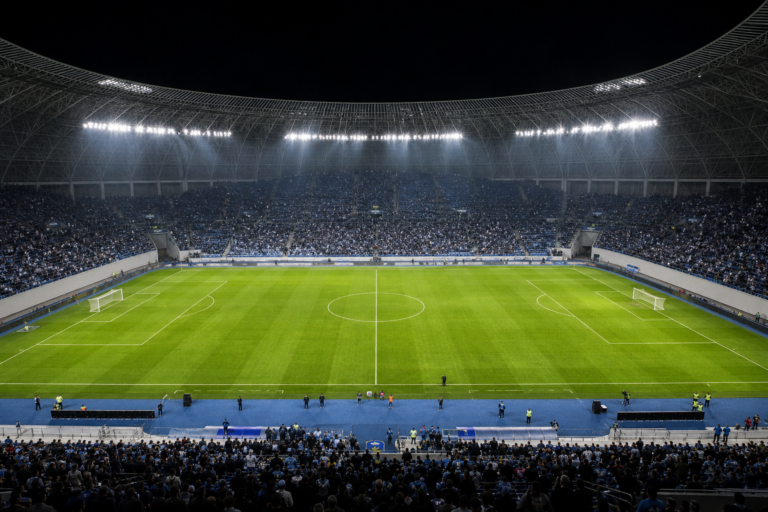
What made the contest particularly intriguing were its contrasting phases. Atlético initially found good solutions against Liverpool’s aggressive pressing and controlled proceedings for spells. Before half-time, however, the balance began to shift significantly – and after the break, the hosts’ greater intensity increasingly took over.
Liverpool start at full speed, Atlético find the gaps
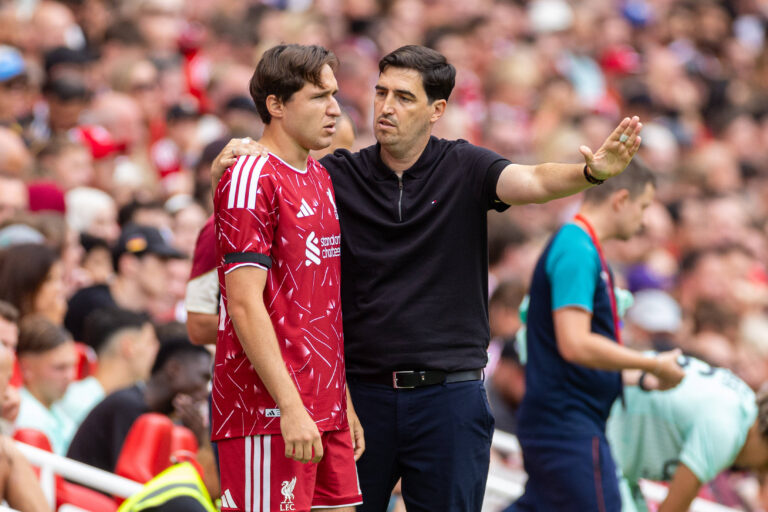
Andoni Iraola lined his team up in the familiar 4-2-3-1. Szoboszlai and Mac Allister formed the central midfield pairing, with Florian Wirtz operating ahead of them. Bradley Barcola started on the right, Rio Ngumoha on the left and Alexander Isak through the middle.
Liverpool needed only a few seconds to win the ball back for the first time. Szoboszlai intercepted an Atlético attack, drove forward and released Isak, whose effort went narrowly wide of the far post. Barcola also got in behind the defence early on and tested Jan Oblak.
Atlético, however, were not unsettled by Liverpool’s frenetic start. Simeone surprised Iraola with a 3-4-2-1 shape and found particularly effective solutions in midfield. Pablo Barrios and Koke supported the build-up, while Álex Baena and Kang-in Lee occupied pockets between the lines. Julián Álvarez also dropped deep regularly and caused Liverpool significant problems with the intelligence of his movement.
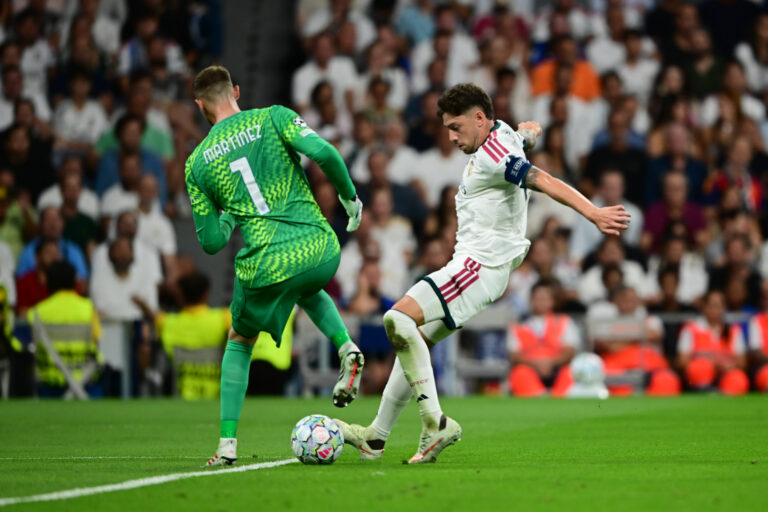
The Argentine repeatedly escaped direct marking and forced one of Liverpool’s centre-backs into a decision: step out with him or hold position to protect the space behind. In the 17th minute, the back line stayed put – and Álvarez exploited the opening with an excellent pass. Marcos Llorente burst in behind and lifted the ball over Alisson to make it 1-0.
Atlético control the game – Liverpool raise the pressure
At that stage, the lead was by no means undeserved. Atlético played through Liverpool’s first pressing line with surprising composure and regularly found Barrios, Koke and Baena in good positions. Cristian Romero also defended very aggressively, stepping far into Liverpool’s half at times to stop attacks before they could develop.
Álvarez could even have doubled the advantage. The striker was given too much space around 30 metres from goal and forced Alisson into a strong save.
From there, though, the contest began to turn. Liverpool gained more control over second balls and increasingly forced Atlético into rushed and untidy actions. Ngumoha played an important role in that shift. The 18-year-old constantly attacked Llorente down the left, occupied the otherwise highly dangerous Spaniard and pushed him progressively deeper as the game went on.
Szoboszlai also began to take on more responsibility. The Hungarian was extremely active in the press and, with his clever movement and vertical play, repeatedly allowed Liverpool to accelerate immediately after winning possession.
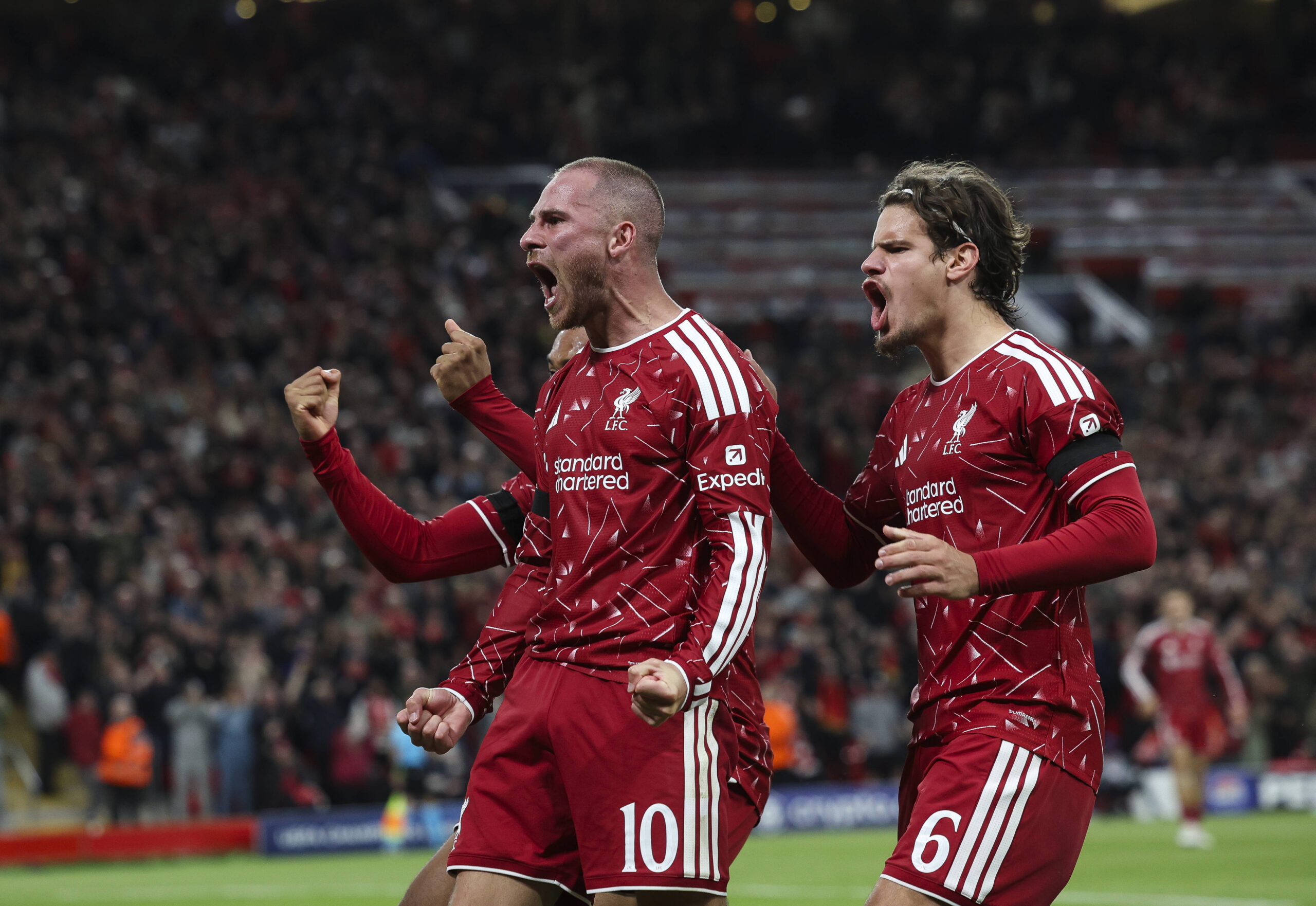
That pressure finally paid off in the 40th minute. Miloš Kerkez dispossessed Kang-in Lee, Barcola was initially denied by Oblak, but Liverpool kept the move alive. Ronald Araújo eventually produced a clever backheel and Szoboszlai finished first-time to make it 1-1.
Mac Allister completes the turnaround
Liverpool carried the momentum from the end of the first half straight into the second. Wirtz increasingly found space between Atlético’s midfield and defence and should really have created the lead shortly after the restart. His pass sent Barcola clean through on Oblak, but the Frenchman narrowly missed the target.
Only a minute later, Liverpool did make it 2-1. Ngumoha beat Llorente on the left and worked the ball inside. Via Isak, it reached Mac Allister outside the box, who waved Szoboszlai out of his path before powering a shot into the net from around 20 metres.
Mac Allister and Szoboszlai were Liverpool’s standout performers. The Argentine linked the different parts of the team, matched Atlético’s technically strong midfield with the required physicality and intensity, and ultimately scored the decisive goal. Szoboszlai was even more influential: in addition to scoring, he created five chances and completed four dribbles. His activity without the ball in particular was a major reason Atlético found it increasingly difficult to build cleanly after the opening half-hour.
Barcola wastes several major opportunities
The fact the game remained open until the end was largely down to Liverpool’s finishing. Bradley Barcola in particular could – and perhaps should – have marked his first start with a goal. The new signing accumulated an individual xG of 0.74 in just under an hour, put two shots on target and passed up several high-quality chances.
His performance was therefore difficult to judge in simple terms. Barcola showed with his pace exactly why Liverpool invested so heavily in him and repeatedly caused Atlético problems in the space behind their wide players. In front of goal, however, he still lacked the required ruthlessness. Shortly after the 2-1, he was forced off with cramp.
At the other end, Llorente and Álvarez were Atlético’s most dangerous players. The scorer was a major outlet in behind during the first half, although Ngumoha’s increasingly aggressive attacking approach gradually pinned him back. Álvarez, meanwhile, was Atlético’s most creative attacking player and produced the highest-quality action of the visitors’ night with his assist for the opening goal – a strong response to the criticism of recent weeks and the collapse of his proposed move to Barcelona.
xG numbers underline Liverpool’s edge
Interestingly, Atlético finished with 55 per cent possession. The more dangerous team, however, was Liverpool: the Reds recorded 14 shots to Atlético’s nine and had 31 touches in the opposition penalty area compared with 18.
The expected-goals numbers also favour the hosts fairly clearly at 1.69 to 0.81. In that sense, the actual 2-1 scoreline closely reflected the quality of the chances created. Atlético had enough good spells to make Liverpool uncomfortable, but did not turn their greater share of possession into enough threat. Liverpool, by contrast, reached promising shooting positions more often and, given the major chances they missed, could have settled the game earlier.
The response to going behind also represented progress under Iraola. Rather than simply pressing ever more aggressively, Liverpool adjusted their approach to Atlético’s back three. Iraola explained after the game on TNT Sports that he took responsibility for the problems in the first half because he had not expected Atlético to line up in a 3-5-2 in that particular manner. Liverpool altered their pressing assignments before the interval. He also stressed that his newly assembled squad is still far from having the kind of automatisms where every player knows exactly what to do in every situation.
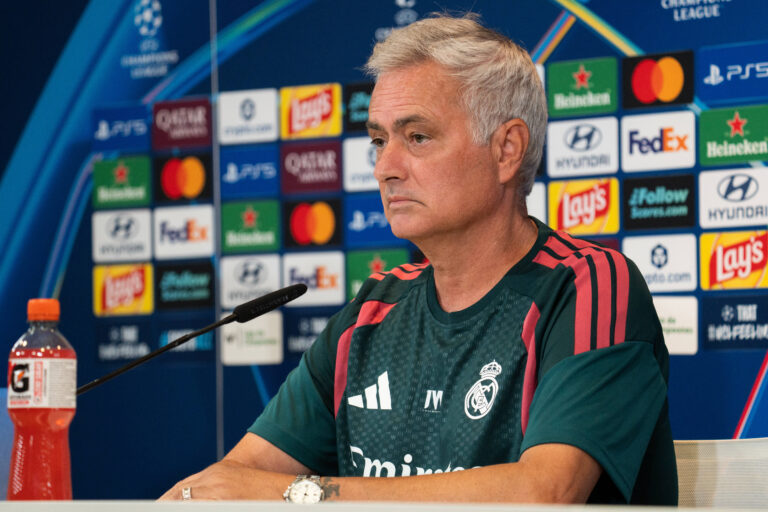
Simeone was satisfied with certain aspects of the performance but once again identified a fundamental defensive problem. “We are conceding too many goals. The other day it was three in Bilbao, today another two. We are not defending well,” the Atlético coach said after the match.
For Liverpool, meanwhile, it was an important step forward. After an uneven start to the season, Iraola not only claimed a prestigious victory on his Champions League debut, but also oversaw a game in which his team solved an initial tactical problem during the match and then shifted the balance decisively in their favour.