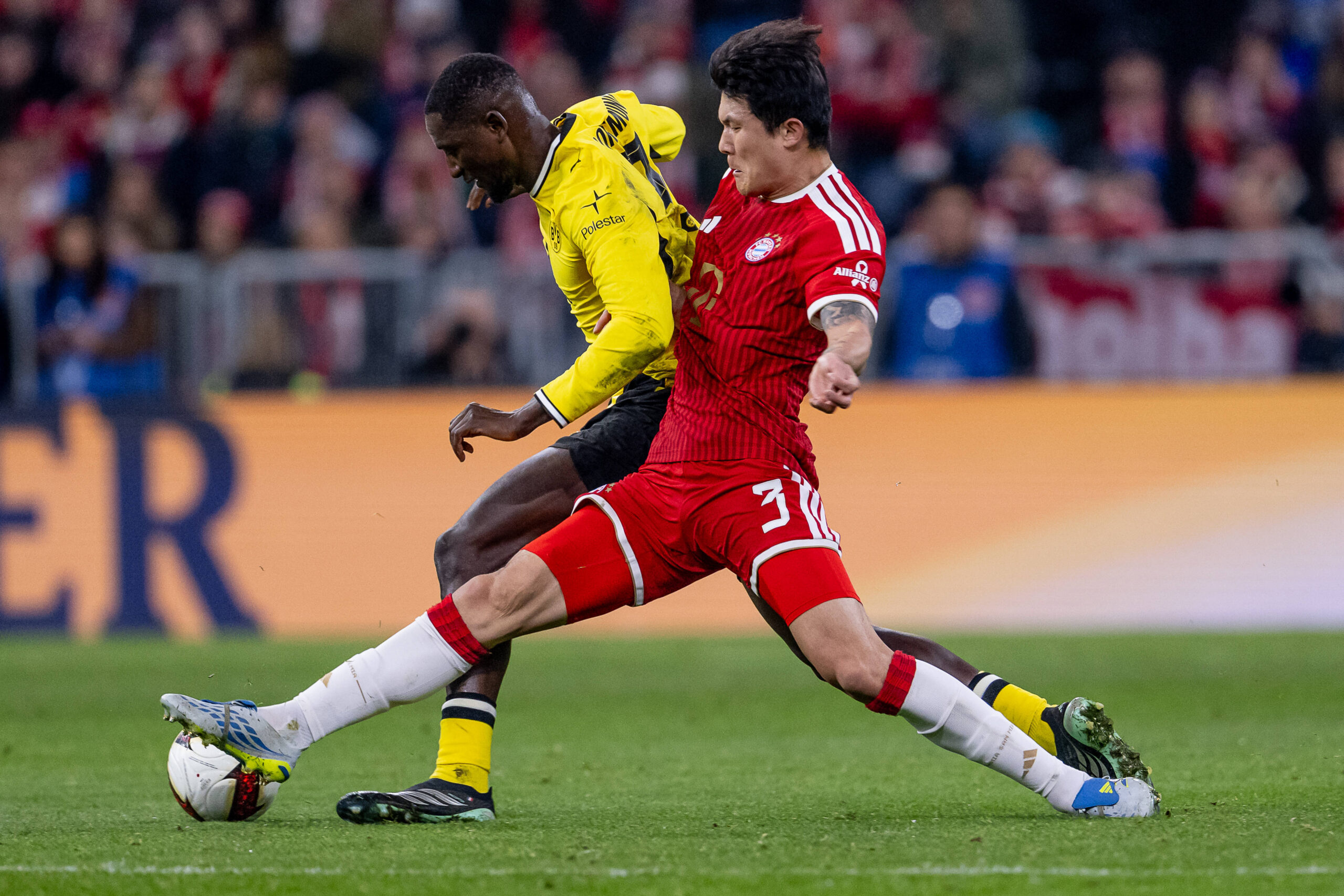
Eighteen shots to eight, four big chances missed and two efforts against the woodwork: the statistics clearly favoured Bayern Munich. Yet Vincent Kompany’s side, with their manager sidelined by illness, had to settle for a point in the Bundesliga’s biggest fixture. Dortmund made the most of their limited opportunities and produced a particularly impressive first-half display that highlighted the tactical progress they have made under Kovac.
A back four that initially unsettled Bayern
Dortmund abandoned their customary back three or five, with Kovac opting for a four-man defence comprising Joane Gadou, Waldemar Anton, Nico Schlotterbeck and Daniel Svensson. Ahead of them was an asymmetrical midfield setup in which Felix Nmecha frequently occupied the left half-space, while Maxi Beier operated on the right.
The main benefit was the additional presence in central areas. Jobe Bellingham and Joey Veerman, supported by Nmecha, were able to block passing lanes while also providing the foundation for Dortmund’s build-up play after regaining possession.
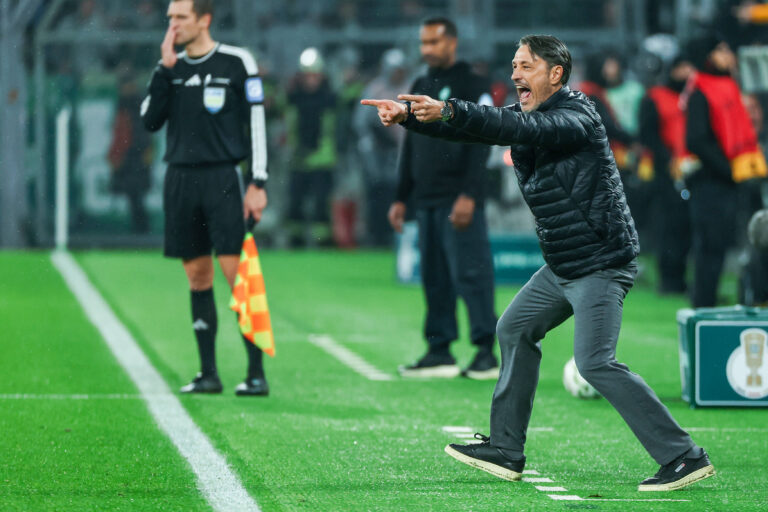
“We pressed Bayern much higher with a back four. That gave us an extra player in midfield,” Kovac explained afterwards. He felt his side had implemented the adjustment particularly effectively during the first half.
Dortmund pressed high at times, attempted to disrupt Bayern’s build-up inside their own half and maintained relatively compact distances between the lines. This also enabled the visitors to enjoy longer spells of possession than the hosts had seemingly anticipated.
Sporting director Lars Ricken subsequently confirmed that Bayern had been surprised by Dortmund’s back four. The adjustment also allowed BVB to distribute defensive responsibilities across several players rather than relying too heavily on individual battles.
Bayern still find a way through
Neutralising Bayern’s attack completely was always going to be difficult. Michael Olise struck the post as early as the tenth minute. Dortmund later had an opportunity to take the lead themselves when Jobe Bellingham found the net, but his effort was disallowed following a VAR review for a foul on goalkeeper Jonas Urbig.
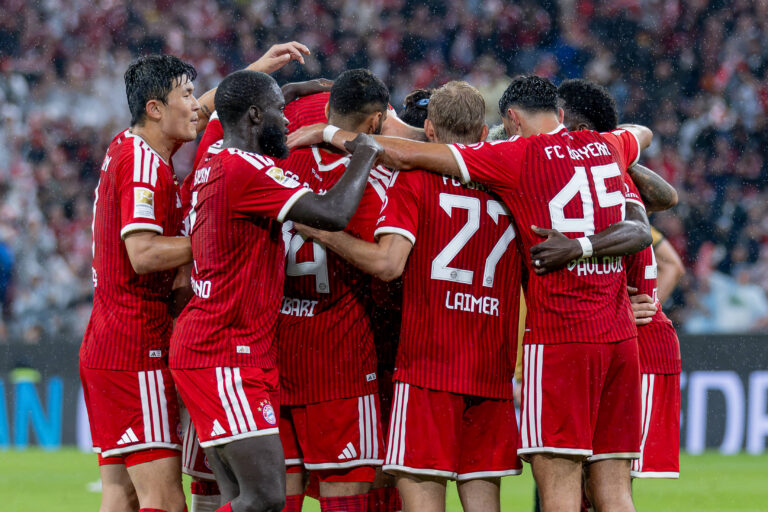
Bayern eventually broke the deadlock through Konrad Laimer in the 38th minute. Despite an encouraging tactical performance, Dortmund therefore went into the break trailing.
The balance of the game shifted considerably after the restart. Bayern attacked with greater purpose, increased the tempo of their passing and movement, and repeatedly forced Dortmund’s defenders into lengthy recovery runs.
The home side’s full-backs pushed forward with particular determination, making runs in behind that increasingly prevented Dortmund’s midfield from maintaining the compact shape that had served them so well before half-time.
Kane wastes the chance to put Bayern in control
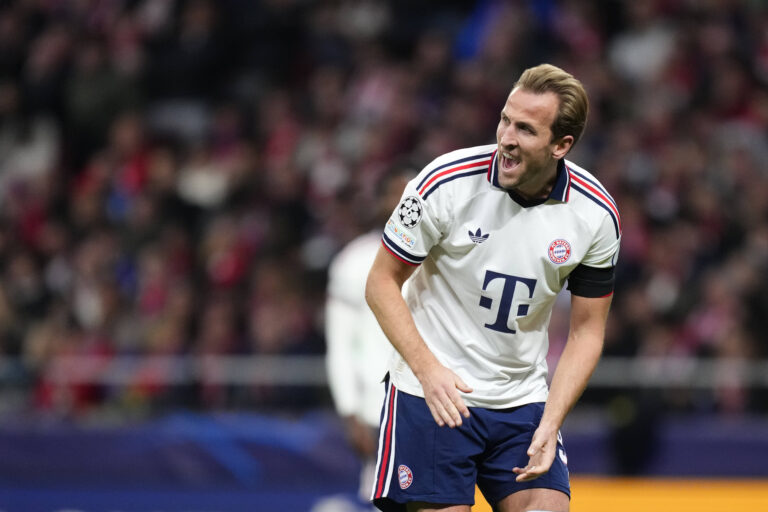
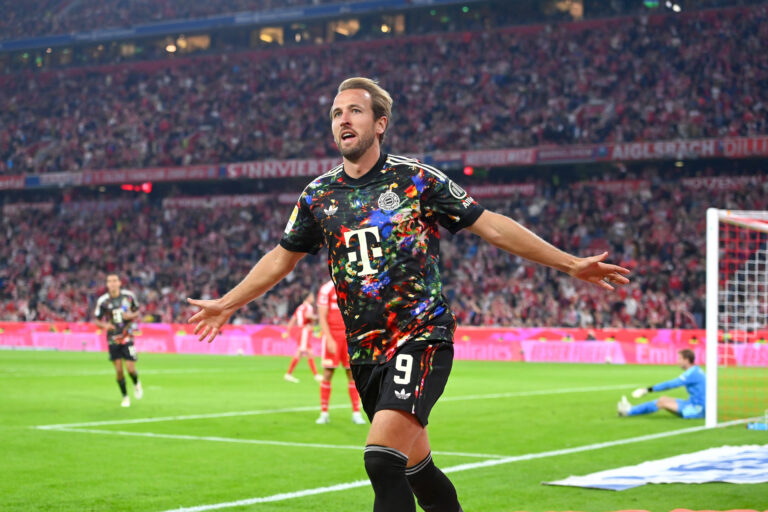
Harry Kane had a golden opportunity to double Bayern’s lead in the 56th minute. After Felix Nmecha handled the ball, the hosts were awarded a penalty, but the newly crowned Ballon d’Or winner struck his spot-kick against the crossbar.
Four minutes later, Dortmund made Bayern pay. Nico Schlotterbeck won possession from Olise high up the pitch, Austria international Carney Chukwuemeka found Serhou Guirassy, and the striker finished from a tight angle to make it 1-1.
The move demonstrated that Kovac’s side could still threaten even while under sustained pressure, provided they transitioned quickly after winning the ball. Dortmund needed only a handful of touches to exploit Bayern’s advanced defensive line.
Their joy lasted just six minutes. Joshua Kimmich delivered the ball into the area, Kane flicked it on and Dayot Upamecano headed Bayern back in front.
The hosts were now firmly in control. Bayern finished with 4.18 expected goals compared with Dortmund’s 0.63, enjoyed 56 per cent possession and recorded significantly more touches and attacking actions inside the opposition penalty area. Despite the level scoreline, the underlying numbers illustrated the considerable disparity in the quality of chances created.
Two substitutes rescue a point for Dortmund
Kovac responded with a series of substitutions, introducing Marcel Sabitzer, Konstantinos Karetsas and Fabio Silva. The latter two would combine to decisive effect in the closing stages.
Following a corner in the 89th minute, Bayern failed to clear their lines properly. Karetsas supplied Silva, who unleashed a powerful finish to make it 2-2.
It was already the Portuguese forward’s third Bundesliga goal of the season, having managed just two throughout the previous campaign.
Silva explained afterwards that substitutes also had a responsibility to make an impact. He had anticipated that the ball might drop to him inside the area and positioned himself accordingly.
Bayern pushed for a winner in stoppage time, but Lennart Karl’s long-range effort also struck the crossbar.
One point apiece, but two very different conclusions
Kovac viewed the draw as further evidence of Dortmund’s development. His team had played bravely and, in his opinion, deserved their point. Bayern assistant coach Aaron Danks offered a different assessment, arguing that the hosts had controlled the match, particularly in the second half, and created enough opportunities to win.
Both interpretations have some merit. Dortmund’s tactical plan worked especially well before the interval, but Bayern produced by far the more dangerous chances across the 90 minutes.
For BVB, the result represents progress in their ability to compete with superior opposition. At the same time, the second half exposed their continuing difficulties when forced to defend deep for extended periods.
Another demanding challenge awaits Dortmund on Wednesday when they face Real Betis in the Champions League. Bayern travel to Atlético Madrid on Tuesday before returning to Bundesliga action against Mainz.
The title race remains wide open following this direct encounter. Dortmund have demonstrated that they can cause Bayern tactical problems. But if Kovac’s side are to challenge the champions across an entire season, they will need to reproduce that level of performance more consistently and sustain it for longer periods.