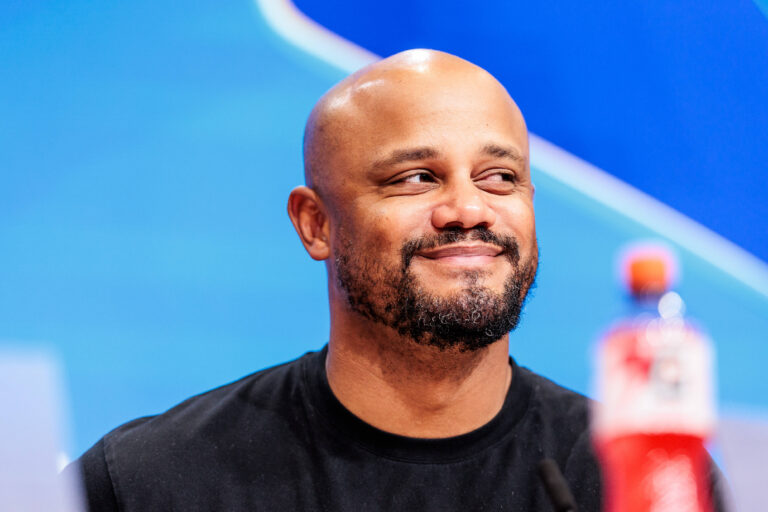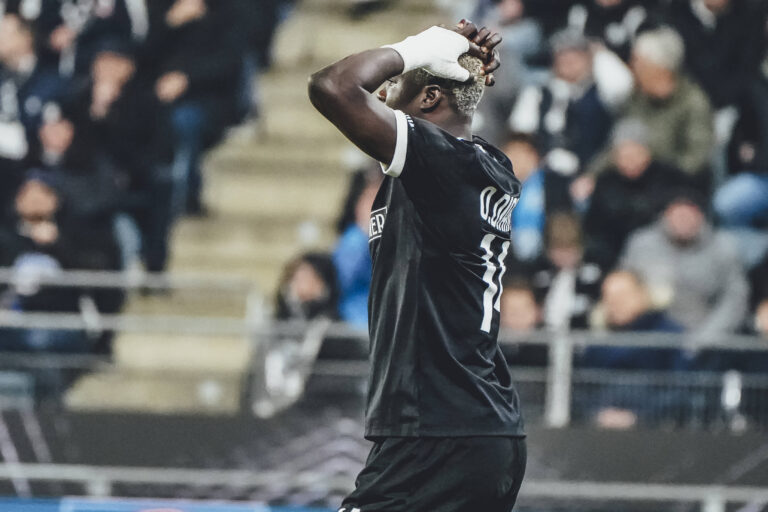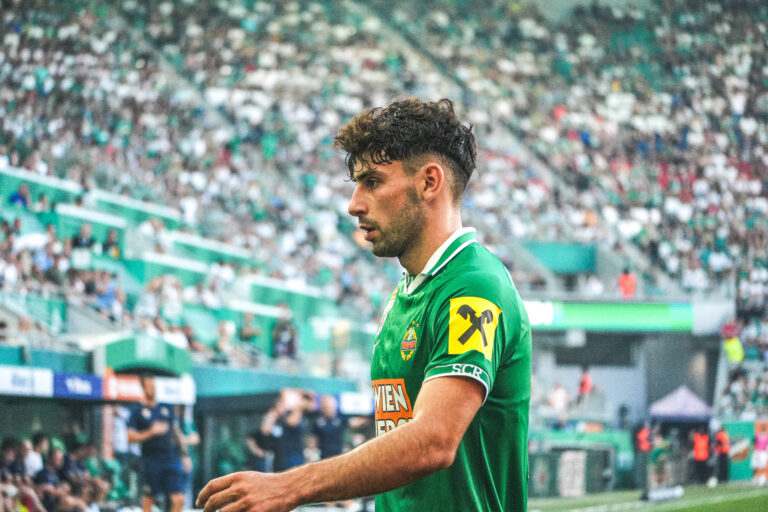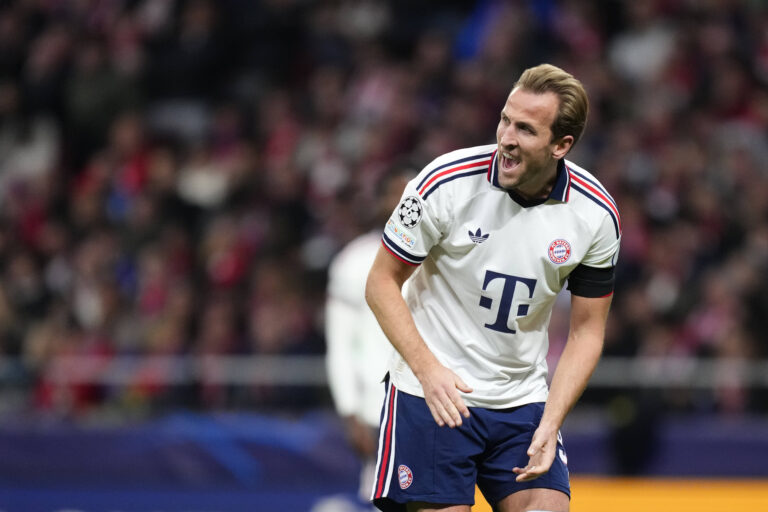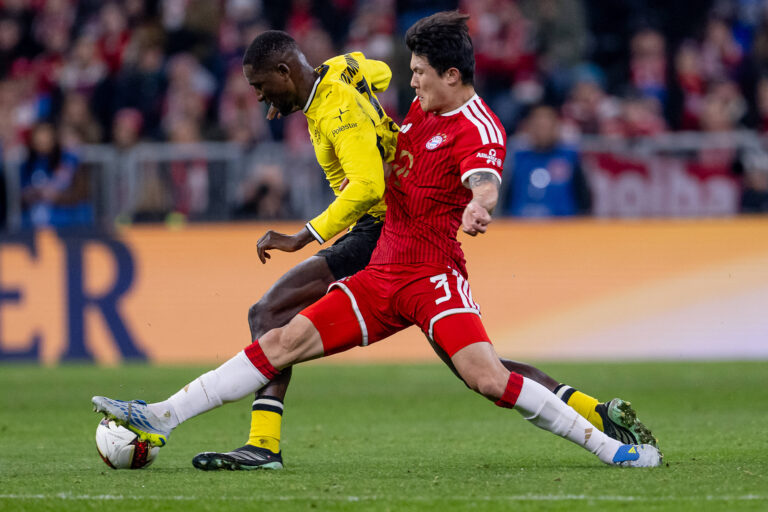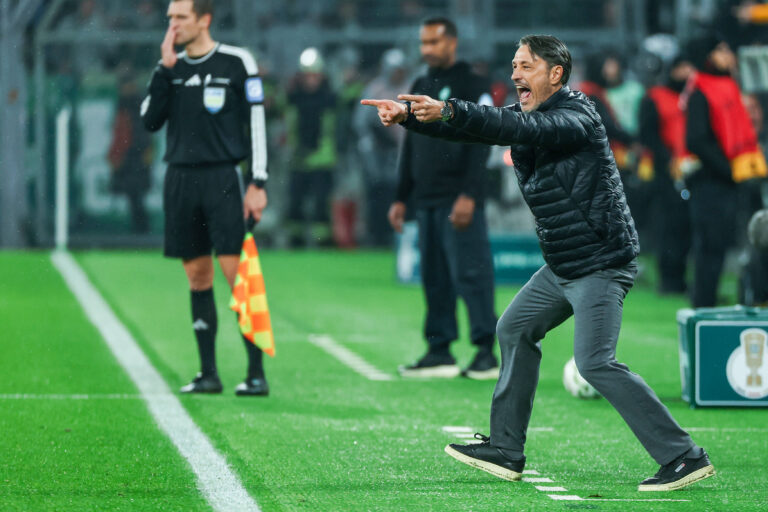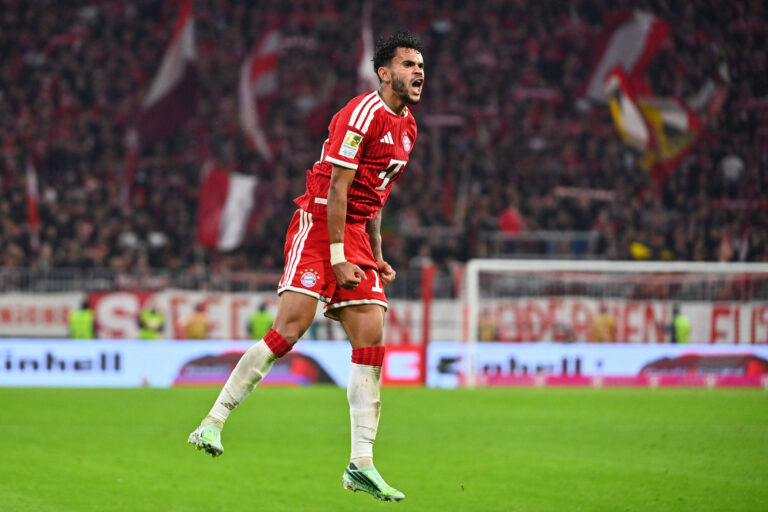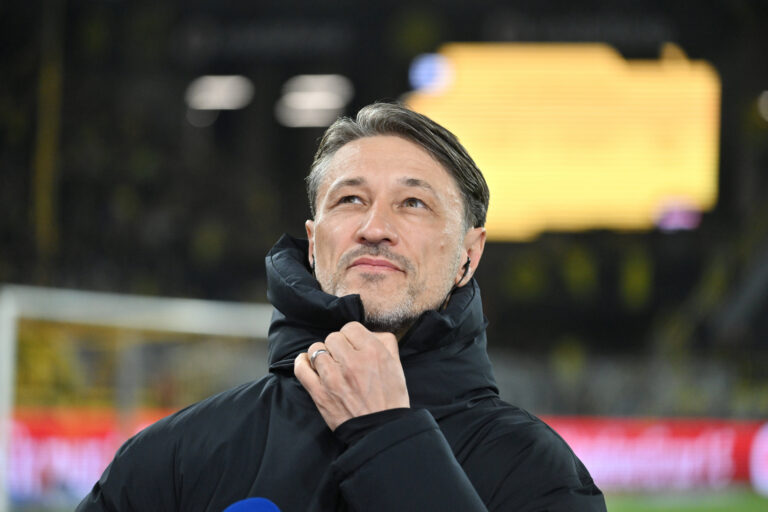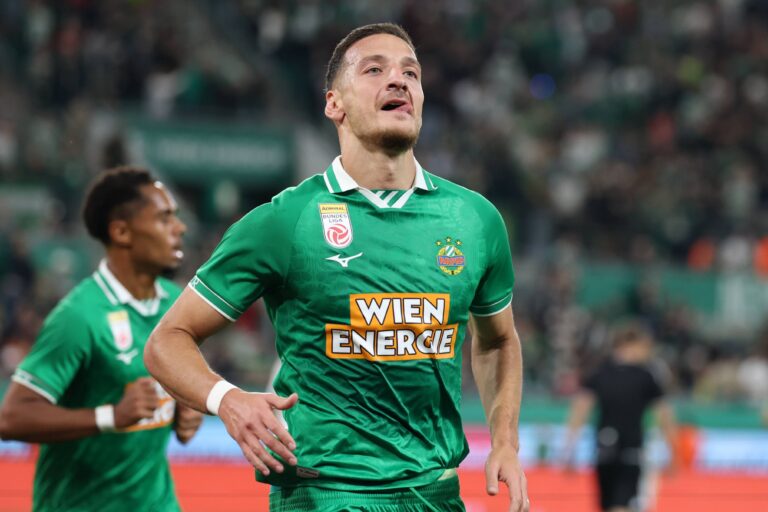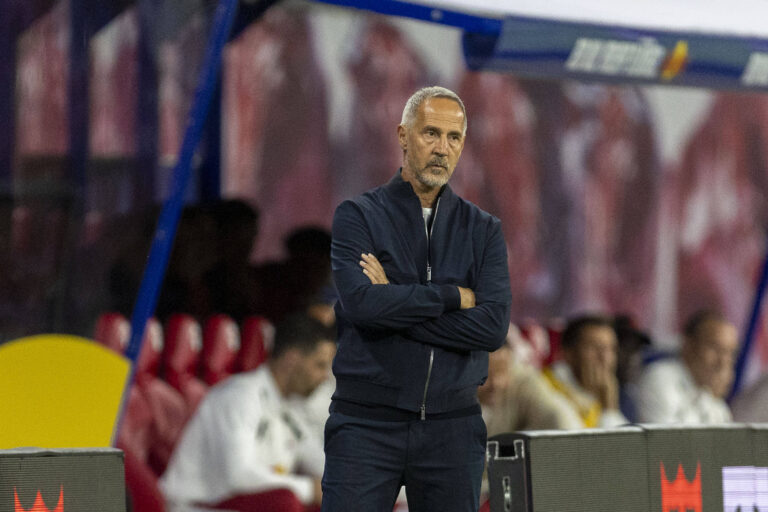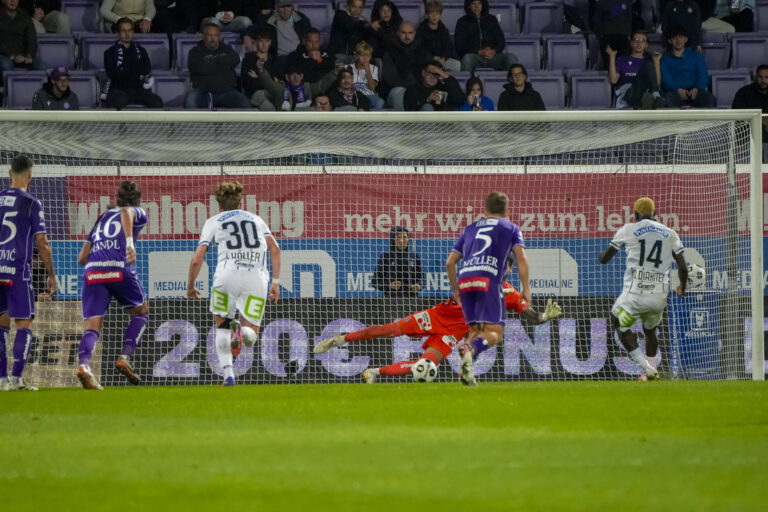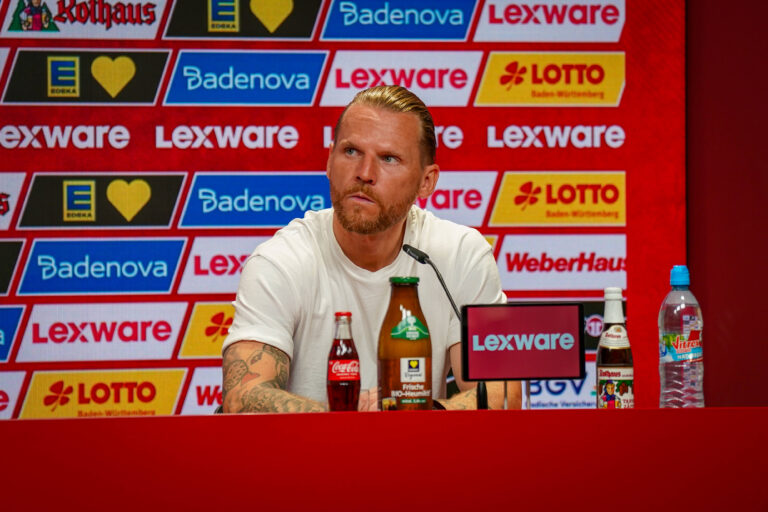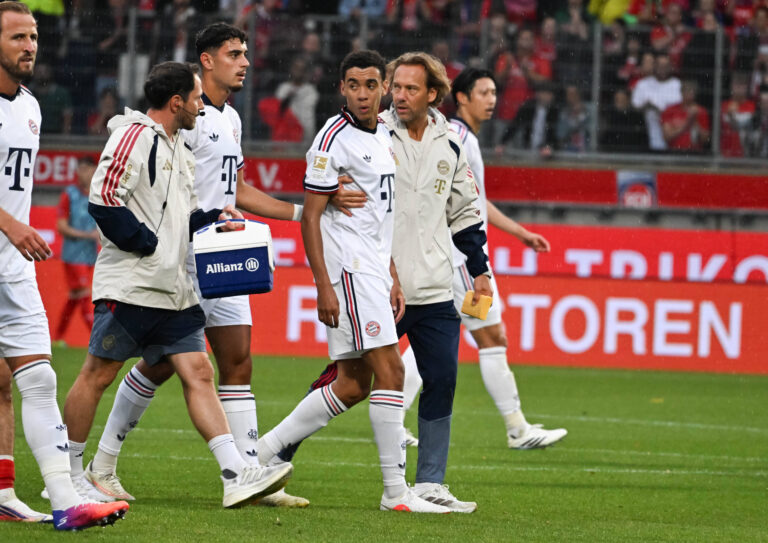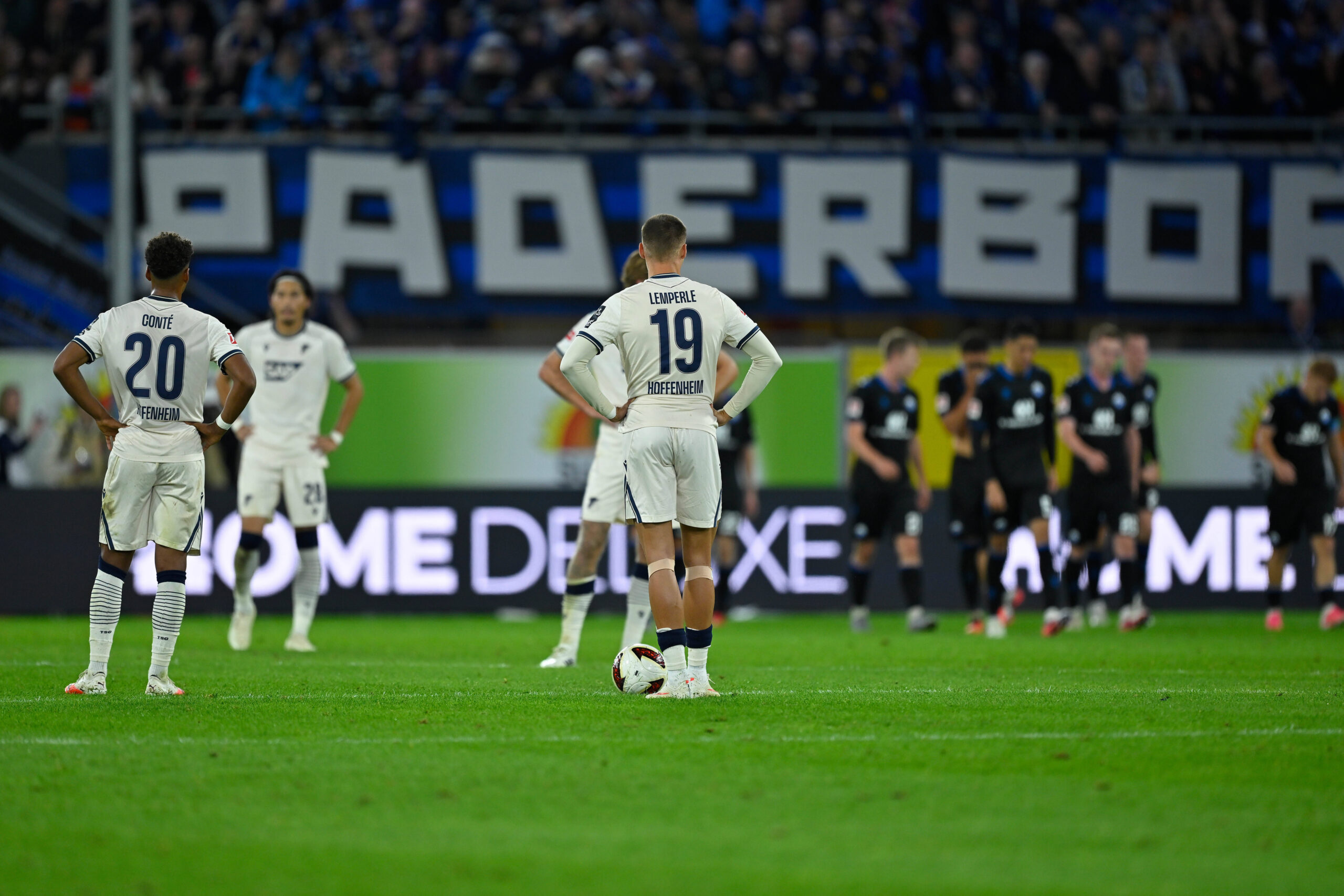
The setback came only three days after a disappointing 2-0 defeat at OFI Crete in their Europa League opener. Hoffenheim have won just two of their first six competitive matches, against Erzgebirge Aue in the DFB-Pokal and VfB Stuttgart in the league. Christian Ilzer therefore has several issues to address during the international break.
Plenty of possession, too little threat
The defeat in Paderborn summed up part of the problem. Hoffenheim finished with 1.95 xG compared with Paderborn’s 0.89, yet still lost 3-1. Coufal hit the post, as did Bambasé Conté, while the hosts needed only a handful of good situations to score three times.
The performance in Crete was similarly frustrating. TSG had 59 per cent possession and completed 88 per cent of their passes, but created very little of real substance. Ilzer himself criticised the lack of aggression and risk in possession.
Against compact opponents in particular, Hoffenheim often move the ball comfortably up to the opposition block but then struggle to break it down with runs in behind or quick combinations between the lines. When the flanks are closed and central areas become congested, alternative solutions are currently hard to find.
Stuttgart showed what this team can do
The only Bundesliga win so far, a 2-1 victory over Stuttgart, demonstrated how effective Ilzer’s approach can be. Hoffenheim had only 43 per cent possession but produced 20 shots and 2.76 xG. Stuttgart saw more of the ball, but TSG were far more direct.
The opening goal was a perfect example. Conté won possession in his own third, drove forward at pace and created the chance for Hložek to score. The second goal also came from a quick attack, with Daghim setting up Hložek again. Hoffenheim then protected their lead far better than they had against Cologne or Dortmund.
The contrast highlights a broader issue. Against teams willing to take the initiative and leave space behind, Hoffenheim’s pace, pressing and vertical transitions become major strengths. When opponents such as Paderborn or OFI hand them possession and defend compactly, Ilzer’s side have to break the structure down themselves – and that is proving much more difficult.
The press is losing its compactness
The bigger concern, however, is Hoffenheim’s work without the ball. Ilzer’s football is based on defending forward as a unit and immediately regaining access after losing possession.
Too often, those distances are currently wrong. When the first line presses without midfield and defence moving up with it, opponents can escape the pressure with only a few passes. Hoffenheim are particularly vulnerable after losing the ball when their full-backs are high and several central players are also positioned ahead of it.
Paderborn did not need long spells of possession. The promoted side defended compactly, waited for mistakes and then attacked as directly as possible. That combination of a deep block and quick transitions currently targets one of Hoffenheim’s clearest weaknesses.
Eight second-half goals conceded
The timing of the goals conceded is also striking. Hoffenheim have allowed ten goals in their first four Bundesliga games, eight of them after half-time.
They led 1-0 and later 2-1 in Cologne before losing 3-2. Against Borussia Dortmund, TSG were 2-0 up after 54 minutes, only for BVB to turn the match around completely within little more than half an hour.
That is another difference from the Stuttgart game. Hoffenheim also conceded an equaliser there, but responded, regained the lead and then controlled the closing stages far more effectively.
Captain Oliver Baumann described the performance in Paderborn as too careless, while Ilzer criticised a lack of collective energy and passion. The problems are therefore not purely tactical. In difficult phases, Hoffenheim are also lacking the calm and authority required to stabilise matches.
Summer departures have left a mark
The summer exits do not explain the poor start on their own, but they have taken several important qualities out of the squad. Bazoumana Touré registered five goals and nine assists in last season’s Bundesliga. Above all, his pace made Hoffenheim dangerous immediately after turnovers.
Grischa Prömel was another significant loss. The midfielder contributed seven league goals and three assists, but also brought experience, physical presence and duel strength to the centre of the pitch.
Several important attacking players also had disrupted preparations. Kramarić returned from groin surgery without a full pre-season, Asllani was slowed by knee problems and Prass missed time with an adductor injury. The personnel situation has improved, but the team’s automatisms are still lacking.
Is there a leadership vacuum?
That also brings sporting director Andreas Schicker into focus. The strategy of recruiting young, athletic players with development potential fitted Ilzer’s football extremely well last season.
But the continued rejuvenation of the squad may also have a downside. Prömel’s departure removed not only a regular starter but also experience and personality. When a large number of young players are integrated at the same time, more responsibility inevitably falls on established figures such as Baumann and Kramarić.
It would be premature to describe this as a fundamental leadership problem. What is noticeable, however, is how Hoffenheim struggle once matches begin to turn against them. They failed to calm the game from 2-0 up against Dortmund, while against Paderborn even the goal that reduced the deficit did not lead to a sustained period of controlled pressure.
Ilzer must restore the balance
For Ilzer, the challenge is less about abandoning his football and more about making its core mechanisms work consistently again. The Stuttgart match offered a blueprint: Hoffenheim were vertical after winning possession, aggressive in their pressing and compact enough to defend a lead.
In the other games, those elements have too often become disconnected. Pressing without the rest of the team moving up opens space, while committing players forward without effective counter-pressing exposes the rest defence. Against deeper opponents, there is also still not enough precision to turn long spells of possession into a consistent supply of high-quality chances.
Ilzer’s position is not currently under immediate threat. There are no substantial reports suggesting that a dismissal is close, while Schicker stressed after the Paderborn defeat that the club remains committed to its chosen path.
The next few weeks could be decisive
The international break therefore arrives at a useful time. Hoffenheim host Hamburg on October 10, welcome Beşiktaş in their first Europa League home game five days later and then travel to Borussia Mönchengladbach on October 18.
The win over Stuttgart showed that the basic idea still works. Hoffenheim now have to reproduce it more consistently while also finding better solutions when opponents deliberately hand them the ball. If the problems with rest defence, counter-pressing and game management persist after the break, an underwhelming start could quickly develop into a far more serious crisis.