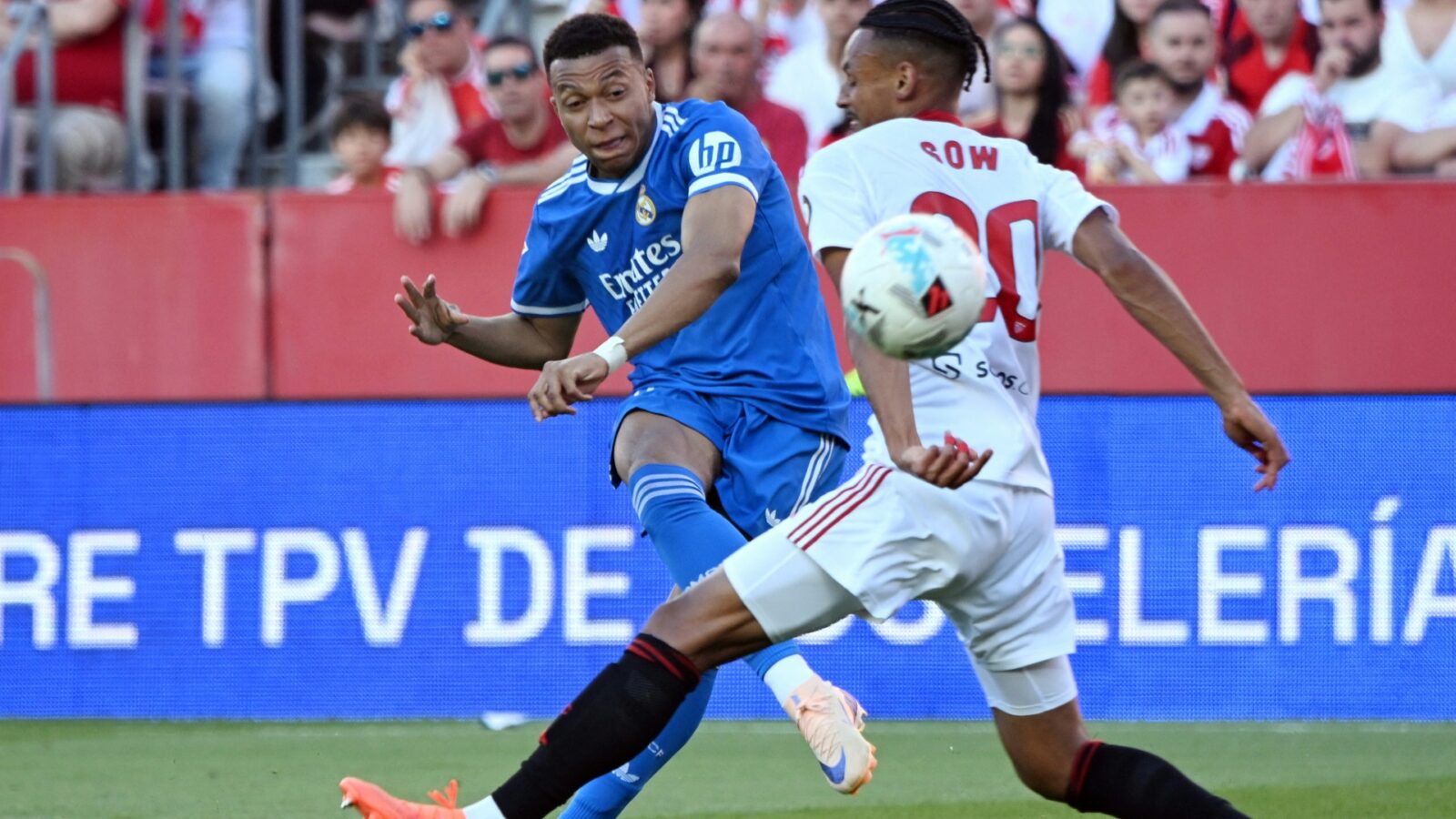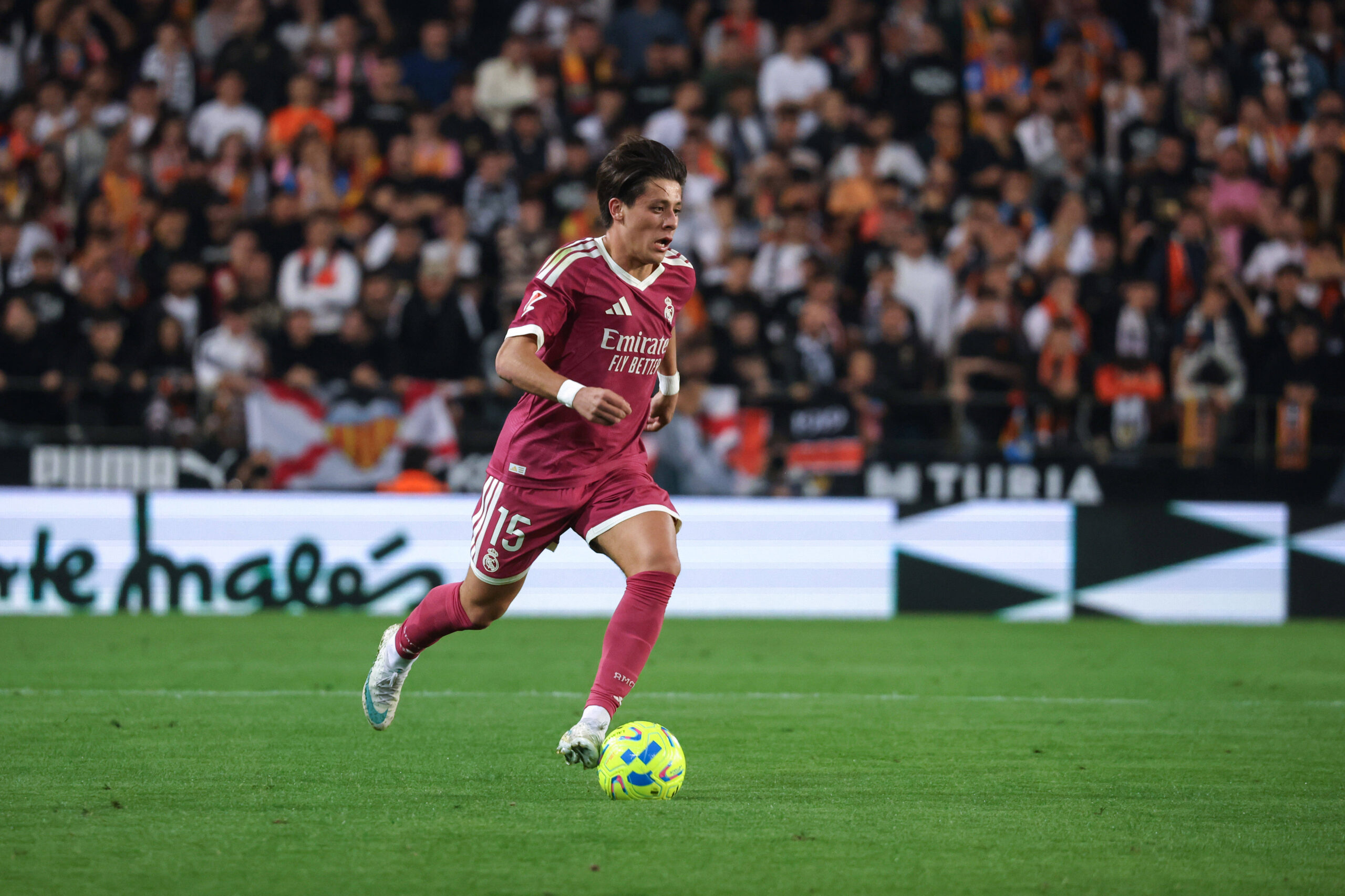
Spain’s two biggest clubs are facing very different decisions over their squads. While Real Madrid have secured the long-term future of one of their most important creative players, Barcelona may need to rethink their plans for the second half of the season. For the Catalans, the issue is less about performances than a shortage of available defenders.
Güler’s rise under Mourinho
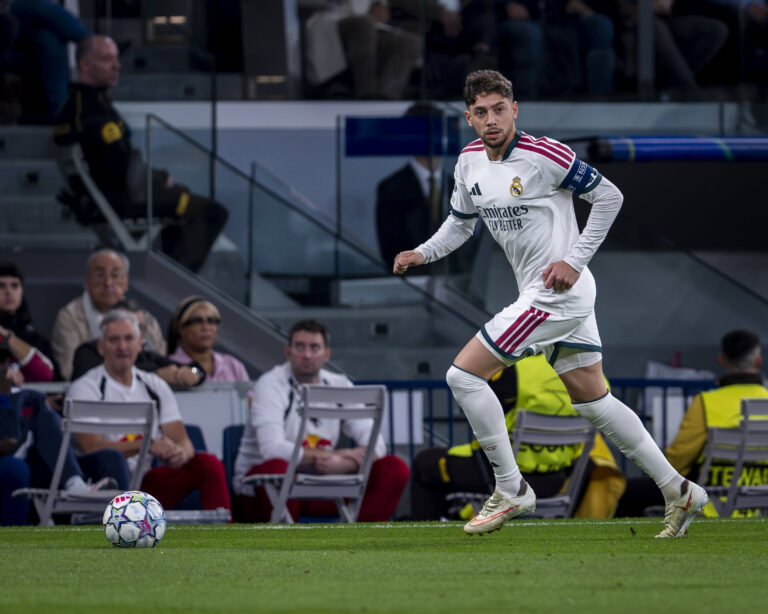
Güler’s new Real Madrid contract runs until 30 June 2032, extending his previous deal by three years. The 21-year-old joined from Fenerbahçe in 2023 and initially had to wait for opportunities behind established stars. This season, however, he has become a regular starter, contributing four goals and seven assists in 14 competitive appearances.
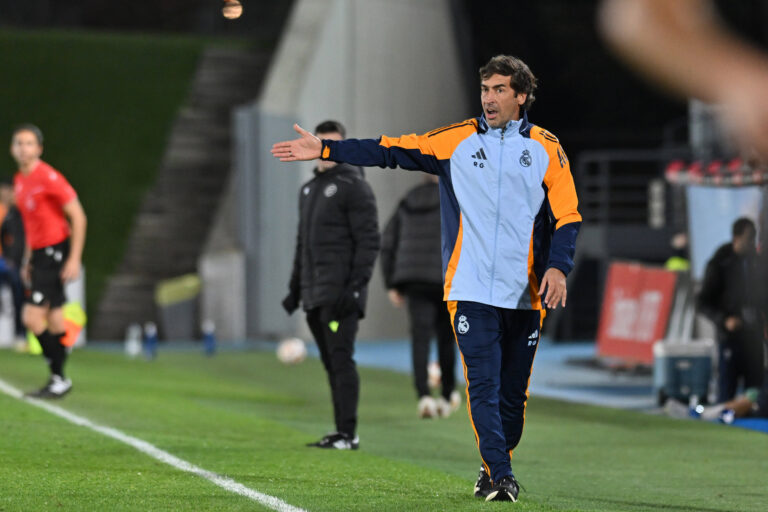
The extension also recognises how Güler has developed into far more than a player capable of delivering the final pass. Under Mourinho, he is not tied to a single position. The left-footer usually starts on paper from the right wing but frequently drifts into the right half-space. There, he can receive the ball between the opposition’s midfield and defensive lines, accelerate attacks or pick out a teammate making a run in behind. Unlike a traditional winger, he rarely stays close to the touchline for extended periods.
How Güler is revitalising Real Madrid’s attack
His understanding with Jude Bellingham, Bernardo Silva and Federico Valverde is particularly important. When Güler moves inside, he and Bellingham can offer passing options at different depths. Bernardo helps orchestrate the build-up, while Valverde, operating at right-back, provides an outlet out wide. Opponents must decide whether to follow Güler between the lines, potentially leaving space elsewhere.
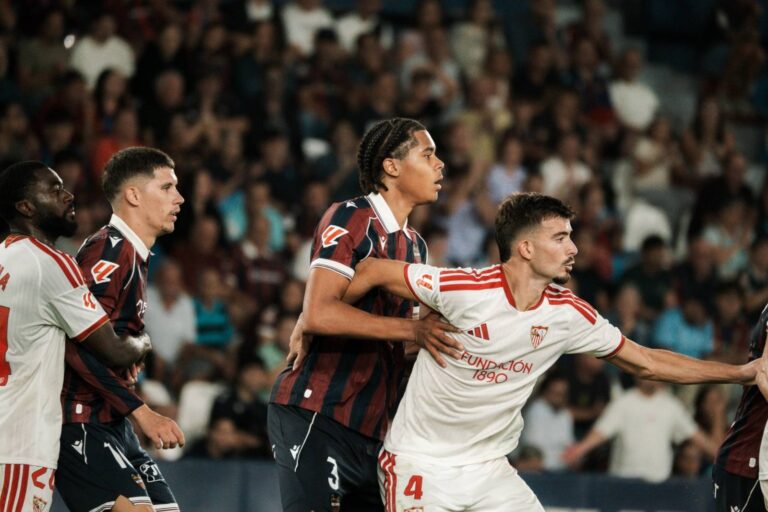
Mourinho demonstrated the Turk’s versatility during October’s 4-1 victory over Sevilla. Güler spent periods alongside Aurélien Tchouaméni in central midfield, helping circulate possession in the early stages of attacks and progressing the ball while facing forward. A few days later against RB Leipzig, his combination play with Valverde was particularly effective on the right. The Uruguayan passed to Güler 24 times, while 18 passes went in the opposite direction.
The ability to alternate between these roles allows Mourinho to deploy an additional passer in central areas against deep-sitting defences while still exploiting the space behind the opposition midfield during transitions.
Güler’s importance extends beyond occasional moments of individual brilliance. He recognises passing lanes early, controls the ball confidently under pressure and can combine in tight spaces or play incisive vertical passes towards Kylian Mbappé. His movement also makes pressing more difficult, as opponents who step out to close him down risk leaving gaps behind them.
Wyscout’s figures underline those qualities. With 17 key passes, Güler ranks second in La Liga this season behind Lamine Yamal. He also boasts a 90 per cent completion rate for progressive passes, the second-highest figure in the league behind Real Betis midfielder Isco. Güler therefore combines chance creation with exceptional accuracy when advancing the ball into dangerous areas.
Barcelona rethink their plans at centre-back
Barcelona, meanwhile, are assessing their options ahead of the January transfer window. Speaking to Catalunya Ràdio, sporting director Deco acknowledged that the club’s injury problems had put the possibility of signing another centre-back back on the agenda. Andreas Christensen, Eric García and Jules Koundé have all been unavailable at various stages, while promising youngster Xavi Espart has also recently suffered an injury.
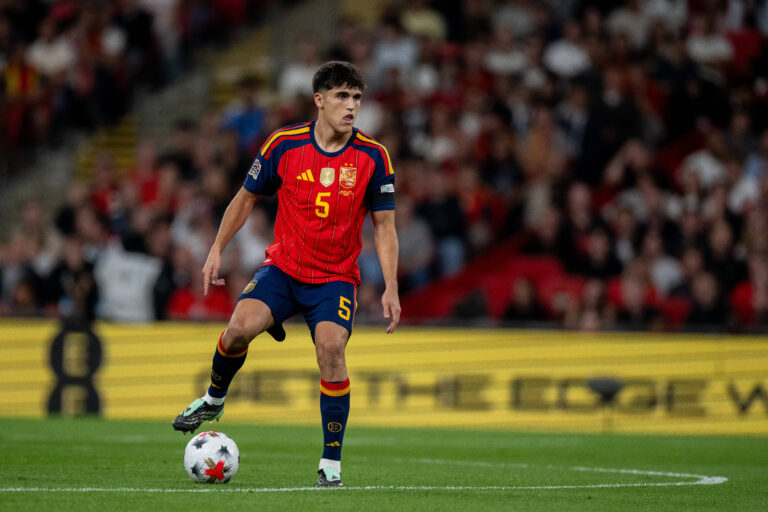
Initially, coach Hansi Flick believed his defensive options were sufficient. Christensen had returned, Pau Cubarsí and Gerard Martín were available, and both García and Koundé could operate centrally. Espart’s development had also provided another option at full-back, potentially allowing García or Koundé to move into the middle when required.
Repeated injuries have complicated that plan. Flick’s high defensive line, in particular, relies on a settled back four. His centre-backs must be capable of covering large spaces behind the defence while also playing accurate passes under pressure.
No decision yet on a January signing
Deco stressed that any potential signing would have to be discussed with Flick and that the club would need to establish precisely what profile it was looking for. La Liga’s financial regulations also limit Barcelona’s room for manoeuvre. Asked about Nico Schlotterbeck, the sporting director responded with a joke about transfer fees rising whenever names are mentioned. He stopped short of confirming any negotiations.
What is clear is that Barcelona’s priorities have shifted. With Raphinha performing convincingly in a central attacking role, the need for another striker has become less pressing. Should the Catalans enter the January market, a left-footed centre-back is understood to be their preferred option.