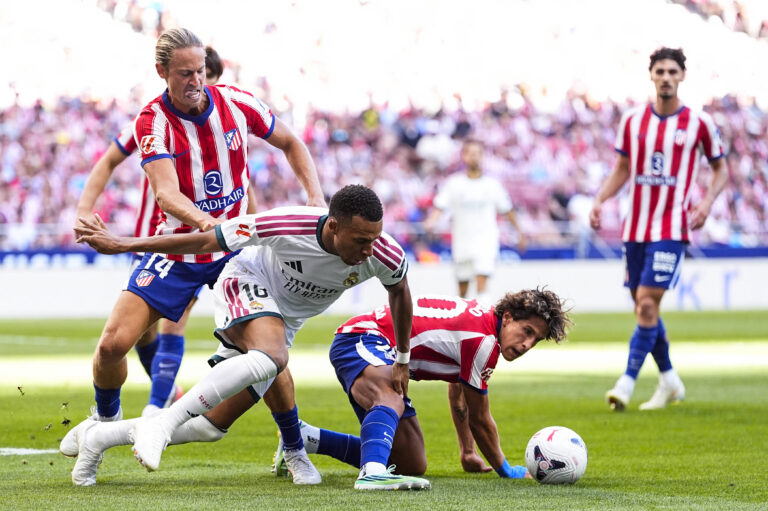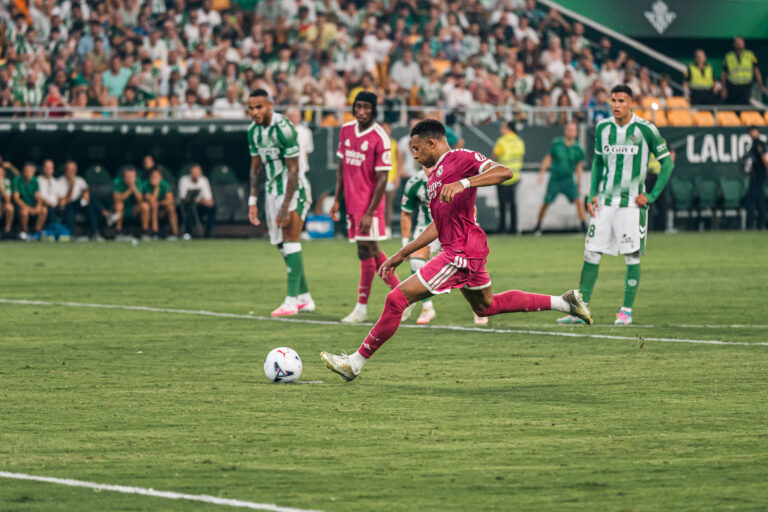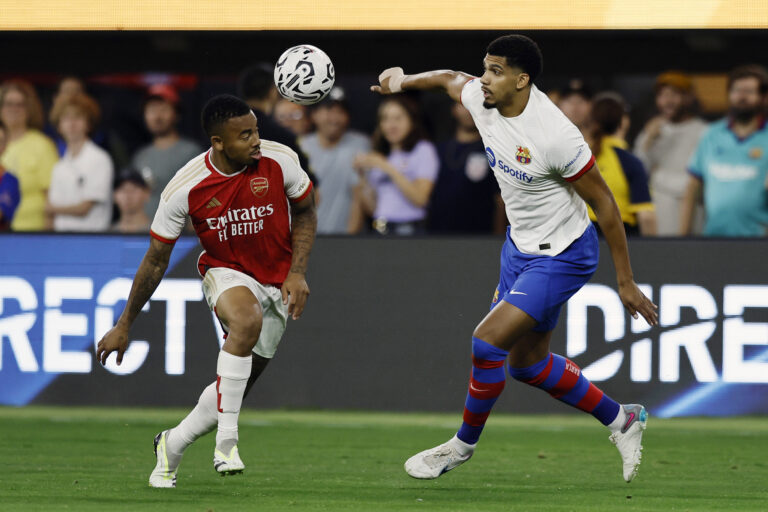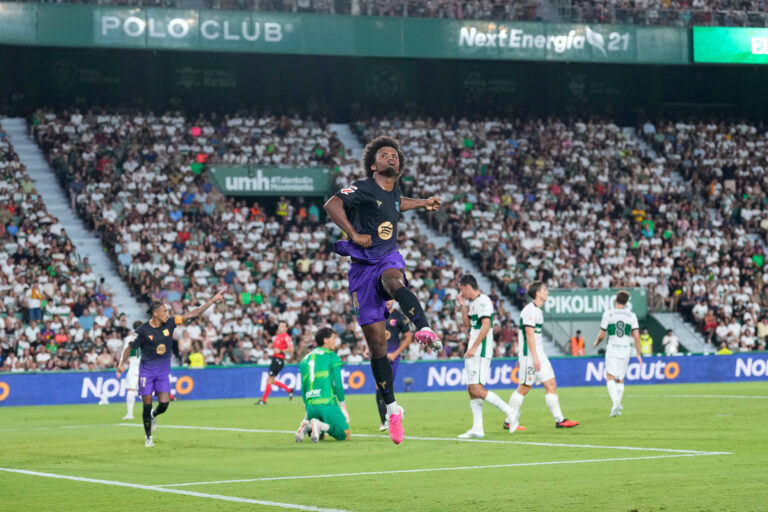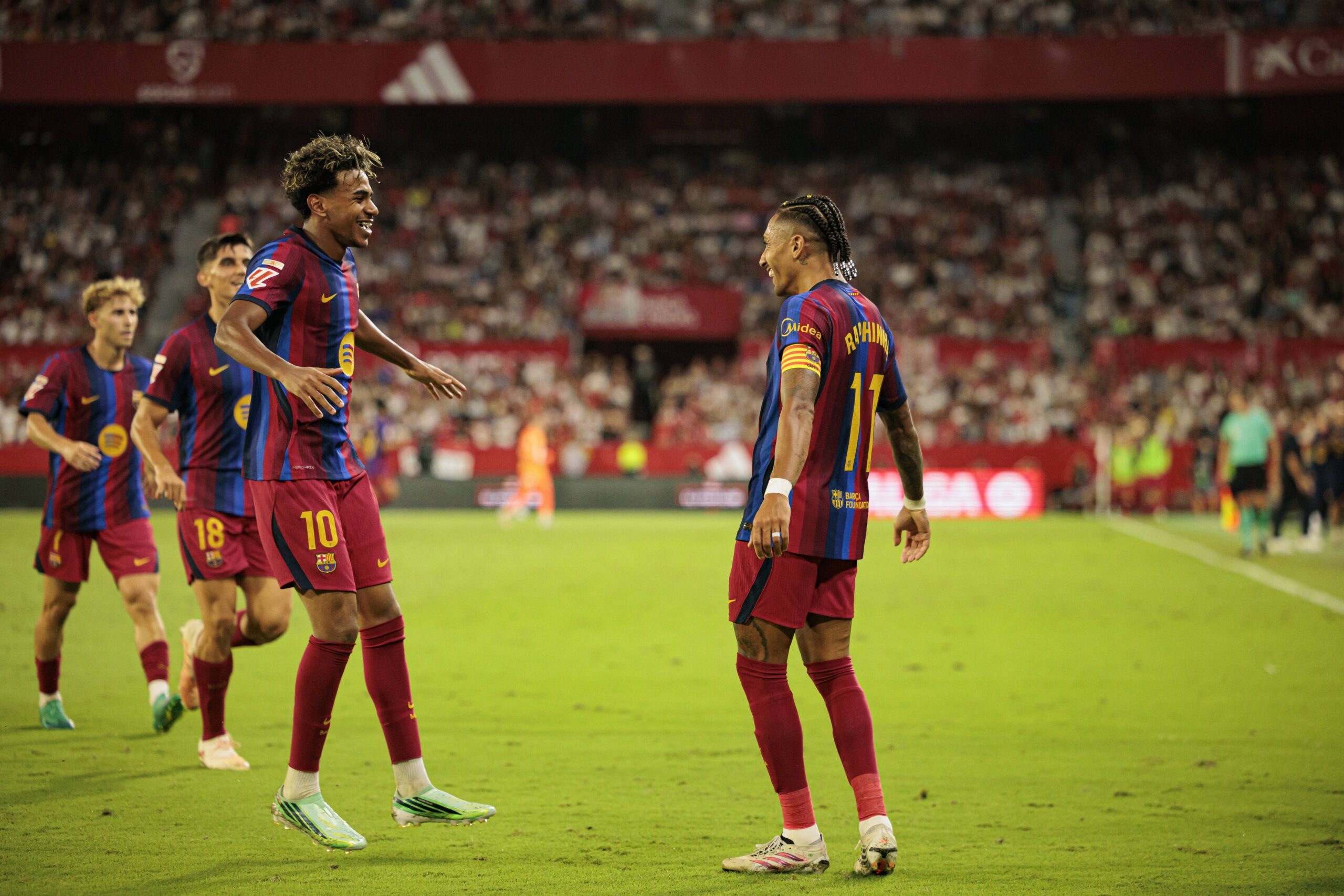
Sevilla showed before half-time exactly how Barcelona can be troubled. The hosts pressed aggressively, defended compactly and attacked quickly after turnovers. After the interval, however, Barça gradually took control and made full use of Sevilla’s dropping intensity.
Flick fields a strong side as Livakovic makes his first start
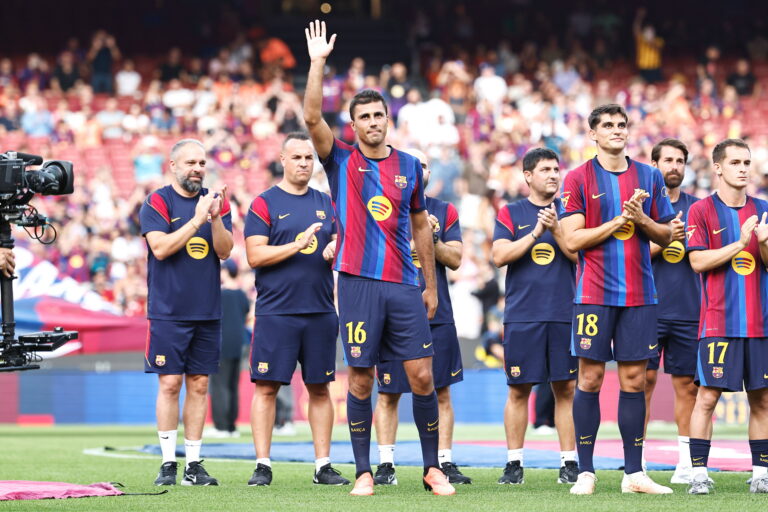
Flick resisted the temptation to rotate heavily despite the demanding schedule. Dominik Livakovic made his first start in goal due to Joan García’s knee problems. Eric García, Andreas Christensen, Pau Cubarsí and João Cancelo formed the back four, with Rodri and Pedri in midfield. Fermín López operated behind Raphinha, while Lamine Yamal and Anthony Gordon started on the flanks.
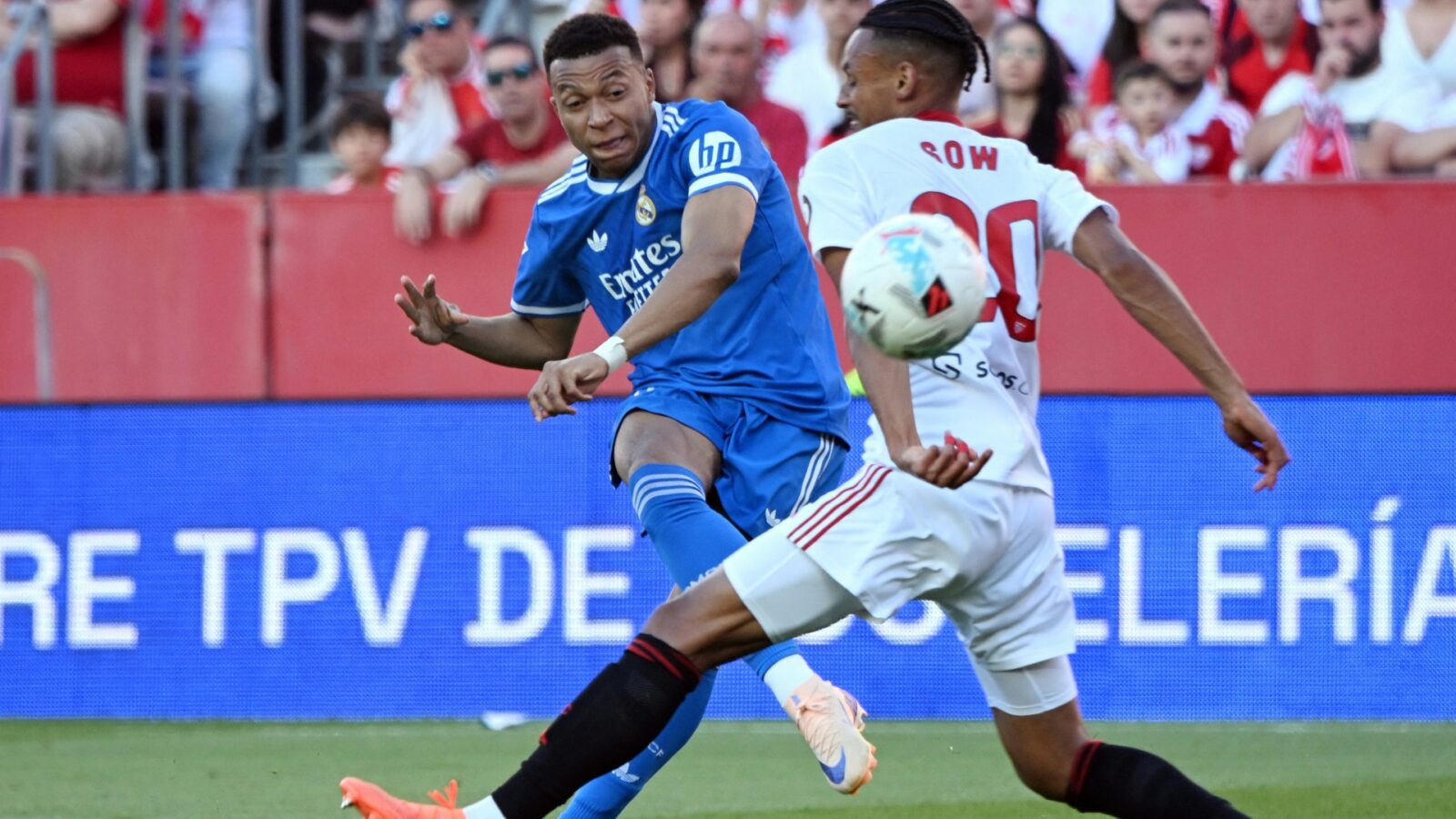
Sevilla lined up with Odysseas Vlachodimos in goal and a back four featuring Arouna Sangante and Gabriel Suazo. Lucien Agoumé, Youssouf Fofana and Giorgi Kochorashvili were tasked with disrupting Barcelona’s passing game in midfield, while Félix Correia and Miguel Sierra supported Robbie Ure in attack.
The hosts’ plan worked extremely well early on. Sevilla closed the central spaces, pressed Barça’s ball-carriers quickly and repeatedly forced the visitors into areas where pressure arrived immediately.
Fofana rewards Sevilla’s excellent start
Sevilla were particularly dangerous down the flanks. Correia repeatedly caused Eric García problems on the left and exploited the space behind Barcelona’s high defensive line.
That route produced the opener in the 18th minute. Correia broke forward on the left and delivered an accurate cross into the middle. Fofana arrived from midfield and headed past Livakovic to make it 1-0.
The goal was no accident. Sevilla won a high number of direct duels and repeatedly attacked with only a few passes after regaining possession. Barcelona dominated the ball but struggled to find space against the compact defensive structure.
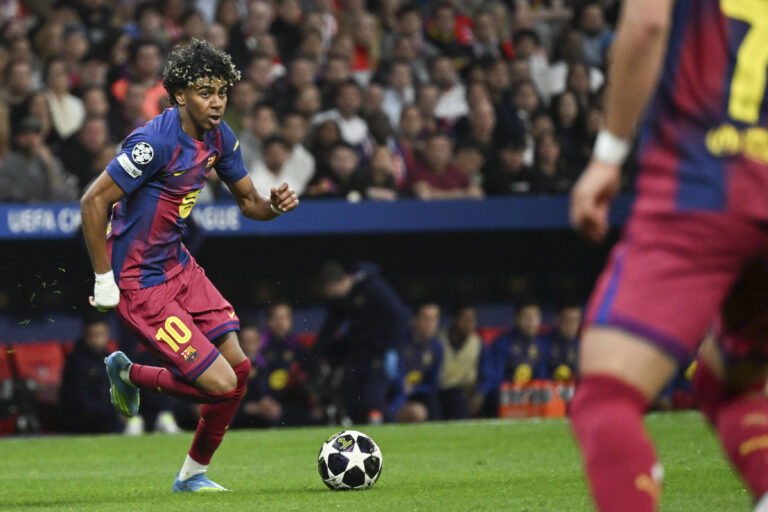
Lamine had already forced Vlachodimos into a strong save, but otherwise found it difficult to impose himself. Suazo defended him attentively, while Sevilla usually provided additional cover on that side.
Raphinha responds just minutes later
Barcelona needed only four minutes to equalise. Christensen fired a sharp vertical pass through the middle into Raphinha. The Brazilian controlled it superbly, created space with a quick piece of skill and finished low with his right foot for 1-1.
It was one of the few first-half moments in which Barça managed to bypass Sevilla’s press completely with a direct pass. Raphinha’s movement between the lines and excellent first touch immediately turned a tight situation into a clear shooting opportunity.
The equaliser did little to change the overall flow of the game. Sevilla remained brave and could even have regained the lead. After an intelligent backheel from Fofana, Correia broke dangerously towards goal before Rodri halted the attack with an important defensive intervention.
Barça could therefore consider themselves fortunate to go into half-time level. Sevilla’s intensity and transition play had caused Flick’s team more problems than most opponents this season.
Lamine and Raphinha turn the game after the break
The picture changed quickly after the restart. Barcelona became calmer in possession, improved their positioning and circulated the ball more quickly through the middle. Rodri was particularly important in helping the visitors remain composed after losing possession and in stopping Sevilla’s counterattacks earlier.
Just seven minutes into the second half, Barça went 2-1 ahead. After a scramble in the box, Lamine collected the ball, moved towards the outside and delicately lifted a cross into the middle. Raphinha escaped his marker and headed home.
The move also marked the turning point in Lamine’s individual performance. After getting caught in several one-on-one situations before the break, he began making better decisions and used the attention drawn by his dribbling to create space for his team-mates.
Barcelona then took complete control. Across the match, the visitors had around 69 per cent possession and 24 attempts. The contrast after half-time was even clearer: Sevilla struggled to put together sustained attacks, while Barça reached the opposition penalty area with increasing frequency.
Christensen forced off through injury
There was still one setback for Barcelona. Christensen went down after a challenge with Robbie Ure and soon indicated that he could not continue. The Dane held his left thigh and was replaced by Gerard Martín.
Christensen looked visibly dejected on the bench afterwards. An exact diagnosis was not immediately available after the game. Having suffered an ACL injury last season, another lengthy absence would be particularly painful for the 30-year-old.
It would also be a major concern for Flick. Barcelona are not especially deep in defence, while Christensen had produced a strong display in Seville before going off and had also started the move for Raphinha’s first goal with his vertical pass.
Raphinha completes a second consecutive hat-trick
The decisive third goal arrived in the 69th minute. Barcelona regained possession and immediately attacked on the break. Lamine carried the ball forward at pace and waited for exactly the right moment before threading a pass between the Sevilla defenders for Raphinha.
The Brazilian raced through on Vlachodimos and lifted the ball over the goalkeeper for 3-1. It completed a perfect hat-trick: one goal with his right foot, one with his head and one with his left.
His efficiency was remarkable. Raphinha needed only four shots to score three times and, after his hat-trick against Racing Santander, has now scored three goals in a match twice within a matter of days.
Lamine was just as influential after the break. He provided the assists for both the second and third goals and created six chances overall. Once Barcelona established greater control through midfield, the winger was able to influence the game far more decisively.
Barça’s attack remains almost impossible to contain
The xG figures of around 3.2 to 0.45 underline just how dramatically the balance shifted over the course of the game. Sevilla created virtually no high-quality chances after the break, while Barcelona had several opportunities to add to their lead. Raphinha also hit the post from a corner, while substitute Karim Adeyemi later missed another good chance.
Flick can therefore be particularly pleased with his team’s response. Sevilla had seriously troubled Barça before half-time with aggressive pressing, high intensity and quick attacks. After the interval, however, the league leaders found the right solutions and controlled the match far more comfortably.
Raphinha sets a historic Barça benchmark
Raphinha’s start to the season is now entering historic territory. The Brazilian has scored 14 goals in his first eight competitive appearances. After seven matches he had already reached 11, surpassing Lionel Messi’s best start to a season for Barcelona. Only Mariano Martín, with 12 goals after seven games in 1943/44, had been ahead at that stage — and Raphinha’s hat-trick in Seville has now taken him beyond that historical mark as well.
Defensively, though, there are still warning signs. Barça had already conceded two avoidable goals against Racing, and Sevilla again created dangerous situations before half-time after turnovers and in the space behind the high defensive line. If Christensen is ruled out for a longer period, an already relatively thin defensive unit will become even more stretched.
Going forward, however, Barcelona are in exceptional form. Alongside Raphinha’s remarkable scoring run, Lamine added another two assists in Seville. Seven wins from seven league matches and eight victories from their first eight competitive games show just how difficult Flick’s side are to contain over 90 minutes.