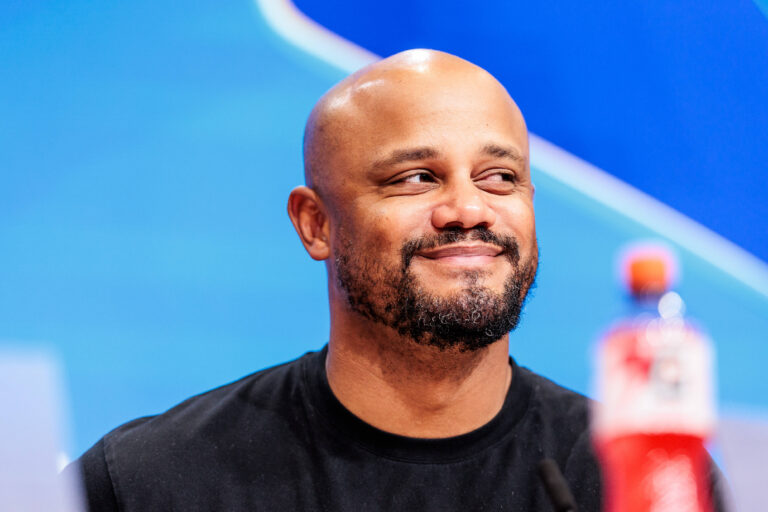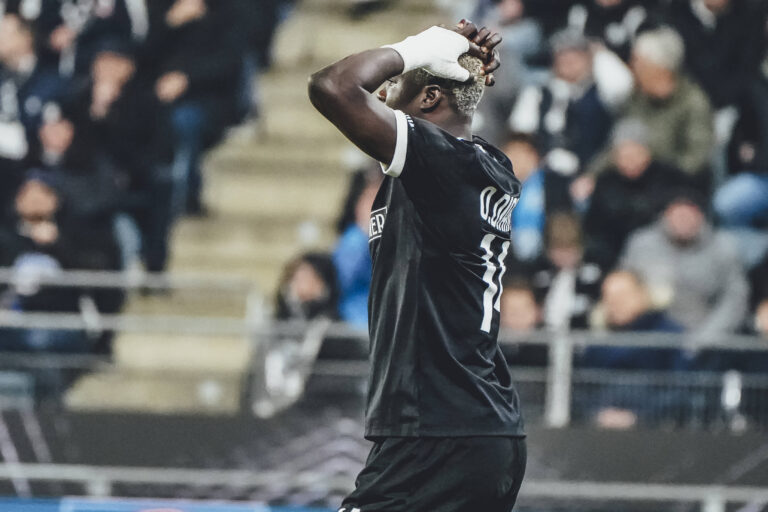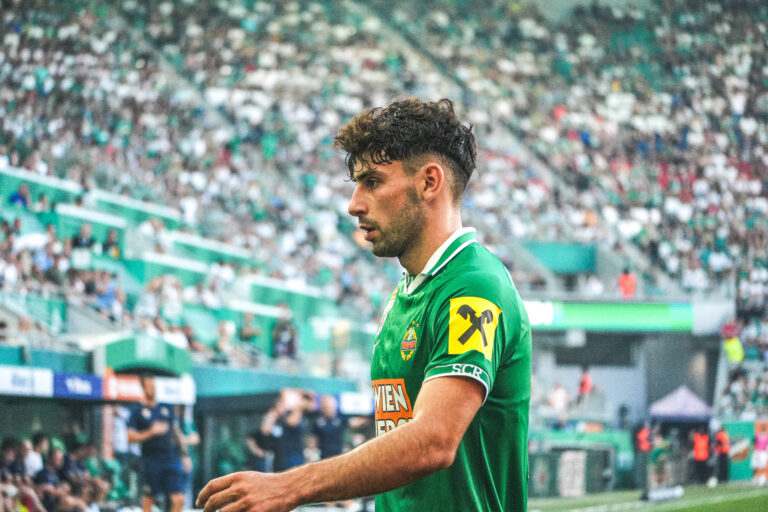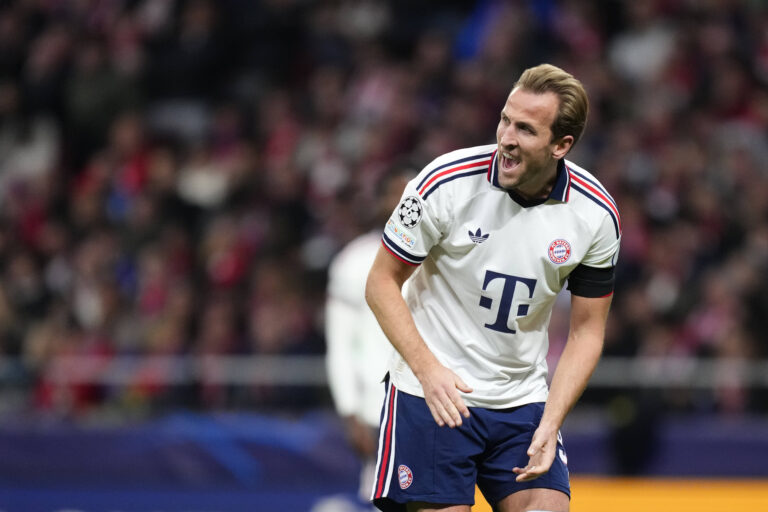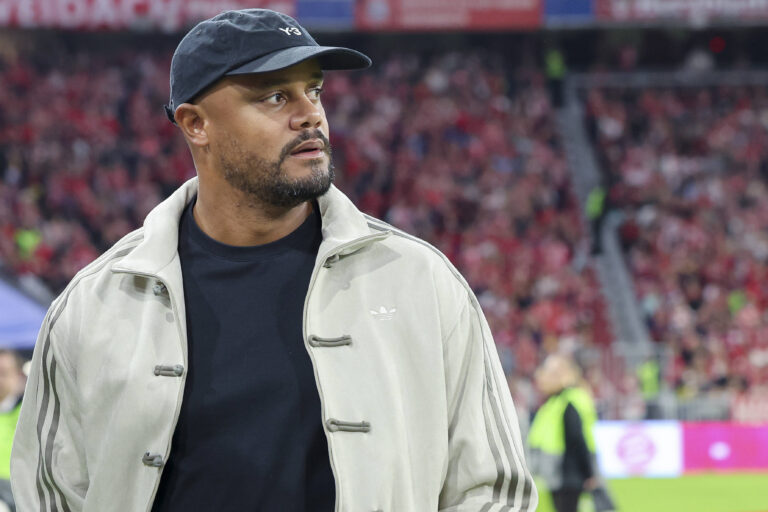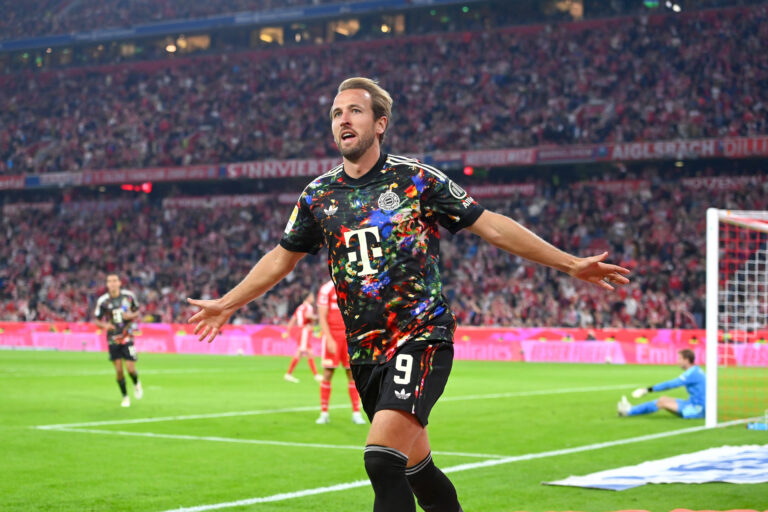
The club’s hierarchy face a difficult decision: can Vincent Kompany compensate for Kane’s absence through tactical adjustments, or do Bayern need another centre-forward who might find himself back on the bench once the England captain returns?
Kane undergoes surgery after challenge against Cologne
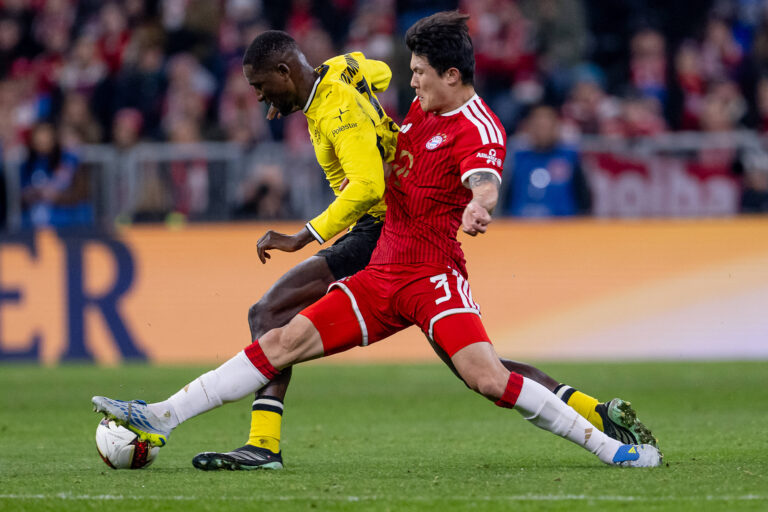
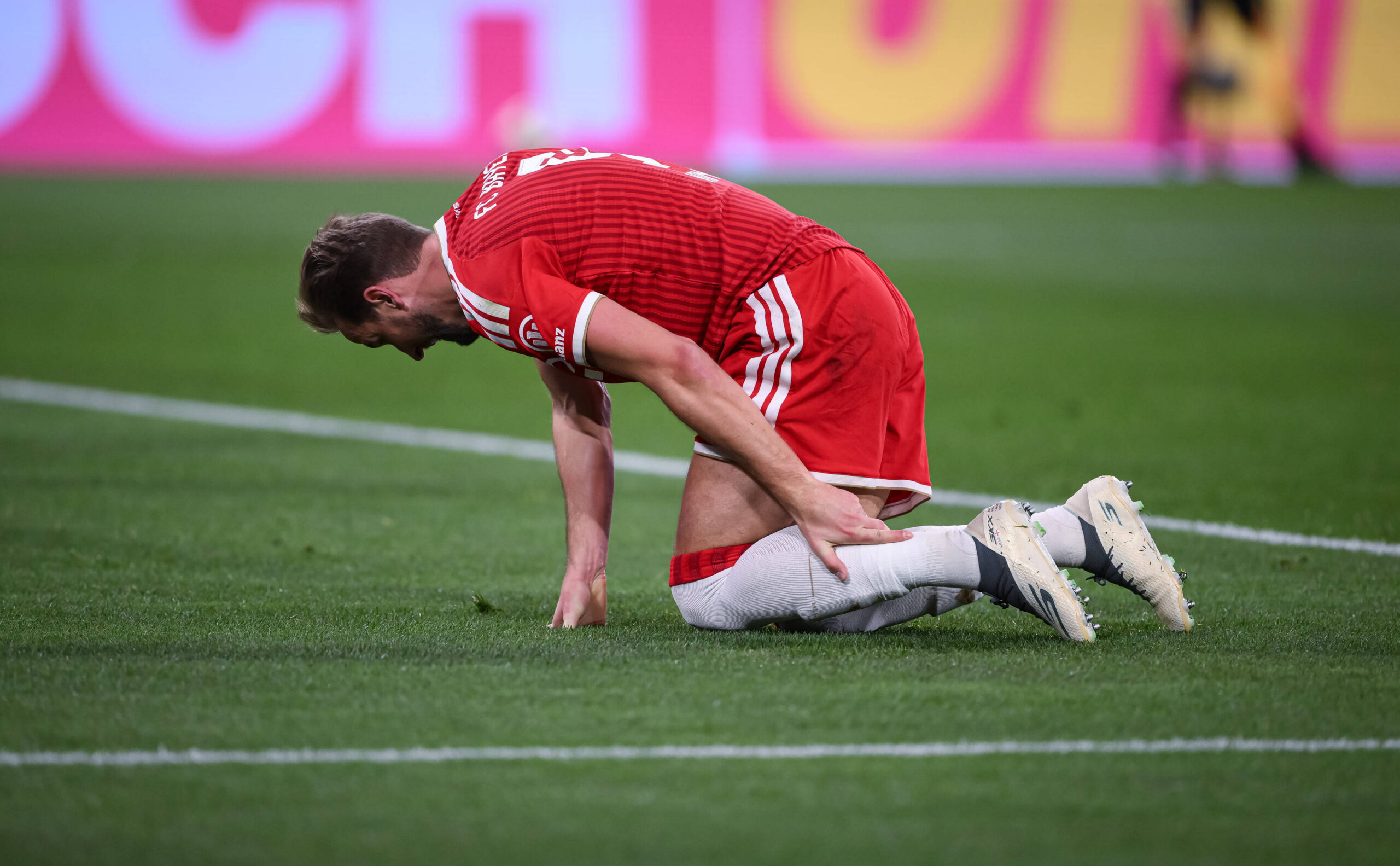
Kane suffered the injury in the 15th minute of Friday’s 1-1 draw with FC Cologne following a challenge inside the penalty area. Cologne defender Joël Schmied initially played the ball while attempting to clear, but caught Kane’s left ankle with his trailing leg. The striker tried to continue but was replaced by Tom Bischof five minutes later. Referee Robin Braun allowed play to continue, with VAR also finding no reason to intervene.
Subsequent examinations revealed a torn syndesmosis ligament in Kane’s left ankle. He underwent successful surgery later that night. Bayern sporting director Max Eberl estimated his recovery time at three to three and a half months, making a comeback before the end of February unlikely. His exact return date will depend on how his rehabilitation progresses.
Bayern are losing much more than a goalscorer
Kane recorded ten goals and ten assists in his first 16 competitive appearances of the season. At the end of October, he became the first Bayern Munich player since Karl-Heinz Rummenigge in 1981 to win the Ballon d’Or. Under Kompany, his influence extends far beyond the traditional responsibilities of a centre-forward.
The England international regularly drops into midfield, offers himself between the opposition’s lines and then looks to release teammates with incisive passes in behind. When centre-backs follow him, gaps open up in the defensive line. Yet Kane also has the instinct to arrive in the penalty area at precisely the right moment.
A conventional number nine might provide a stronger physical presence when Bayern deliver crosses, but would not automatically replicate Kane’s contribution to their build-up play. Deploying a false nine could preserve some of that fluidity, albeit at the expense of a more imposing presence in the box. The problem was already evident against Cologne: despite enjoying more than 70 per cent possession, Bayern managed just one shot on target.
Musiala’s situation remains uncertain
Jamal Musiala has the technical ability and close control to operate as a false nine, but the 23-year-old needs time to regain his rhythm after a lengthy absence. He only returned from a muscle injury against Cologne, coming on in the 70th minute.
His wider health situation also requires consideration. In August, Musiala publicly revealed that he had been experiencing brief absence episodes. According to German broadcaster “Sky Sport”, another incident occurred at Bayern’s training ground on 16 November, although he was able to resume training the following day.
Comments from senior figures at the club have added to the uncertainty. Uli Hoeneß and Karl-Heinz Rummenigge publicly questioned whether Musiala would be able to regain his previous level of performance.
Head coach Vincent Kompany and sporting director Max Eberl, meanwhile, have offered Musiala their backing. Given his health concerns and extended absence from competitive football, placing the immediate burden of replacing Kane on his shoulders would make little sporting sense. A gradual return appears the more sensible approach, without rushing to conclusions about his long-term capabilities.
Karl and Díaz offer different tactical solutions
Lennart Karl occupied the central attacking role for part of the match against Cologne. The 18-year-old can find openings through sharp changes of direction, but his smaller frame means he cannot offer the same physical presence as a traditional target man.
Luis Díaz is nearing a return from his muscle injury and could also move into the middle. Serge Gnabry, however, is not expected back until the new year, while Ismael Saibari faces a longer spell on the sidelines following ankle surgery. Michael Olise also suffered a bruised forefoot against Cologne.
Young forwards Noah Codjo-Evora and Bastian Assomo provide further options, although neither has the experience required to shoulder the responsibility of leading the attack for a European heavyweight on a regular basis.
Choupo-Moting and Tresoldi emerge as potential targets
According to “Sky Sport”, Bayern are internally discussing a possible return for Eric Maxim Choupo-Moting. The 37-year-old is leaving the New York Red Bulls at the end of the year and would therefore be available on a free transfer.
He knows the club, can hold the ball up effectively and could provide a short-term solution. The question is how quickly he could readjust to Bundesliga football. Although he made 22 MLS appearances this season, he played just 554 minutes in total.
A considerably more expensive option would be Nicolò Tresoldi of Club Brugge. The 22-year-old Germany Under-21 international has scored 16 goals in 18 competitive appearances and remains on Bayern’s radar. However, his contract runs until 2029.
Initial reports suggested a potential fee of €40–50 million, but more recent figures have put Brugge’s demands as high as €60 million. A January move is considered unlikely.
Joshua Zirkzee and Fisnik Asllani have also been mentioned as possible alternatives, although there have been no reports of concrete negotiations with Bayern for either player.
Short-term cover or a long-term investment?
President Herbert Hainer and CEO Jan-Christian Dreesen have not ruled out entering the January market, but want to assess the return of other injured players before making a decision. In the meantime, Kompany must navigate another seven competitive fixtures before the winter break without Kane.
An experienced striker could provide valuable short-term cover. An expensive signing such as Tresoldi, however, would also need to fit Bayern’s long-term plans. Once Kane returns, the club would face another difficult question: what role would be left for the new arrival?