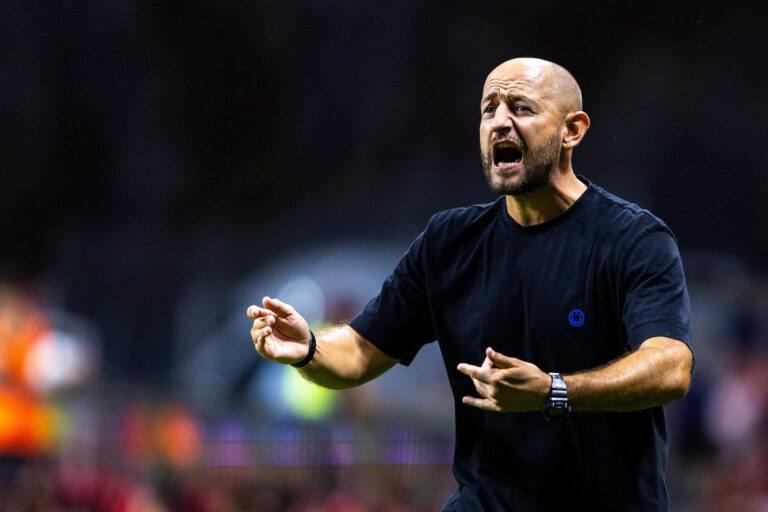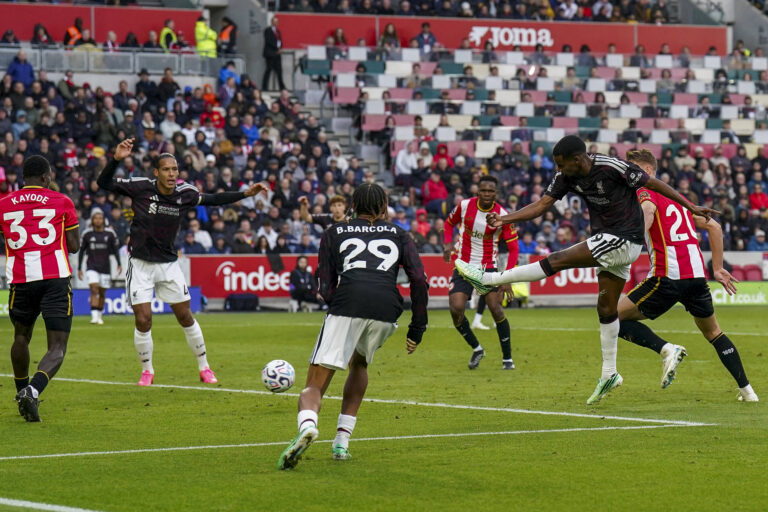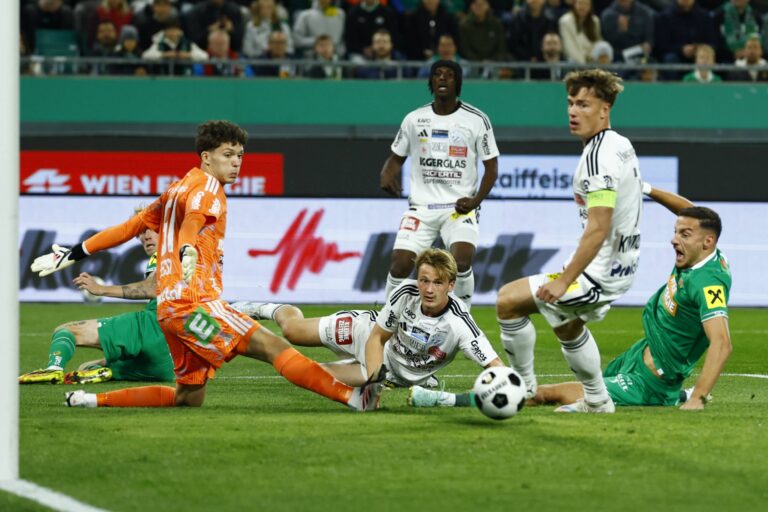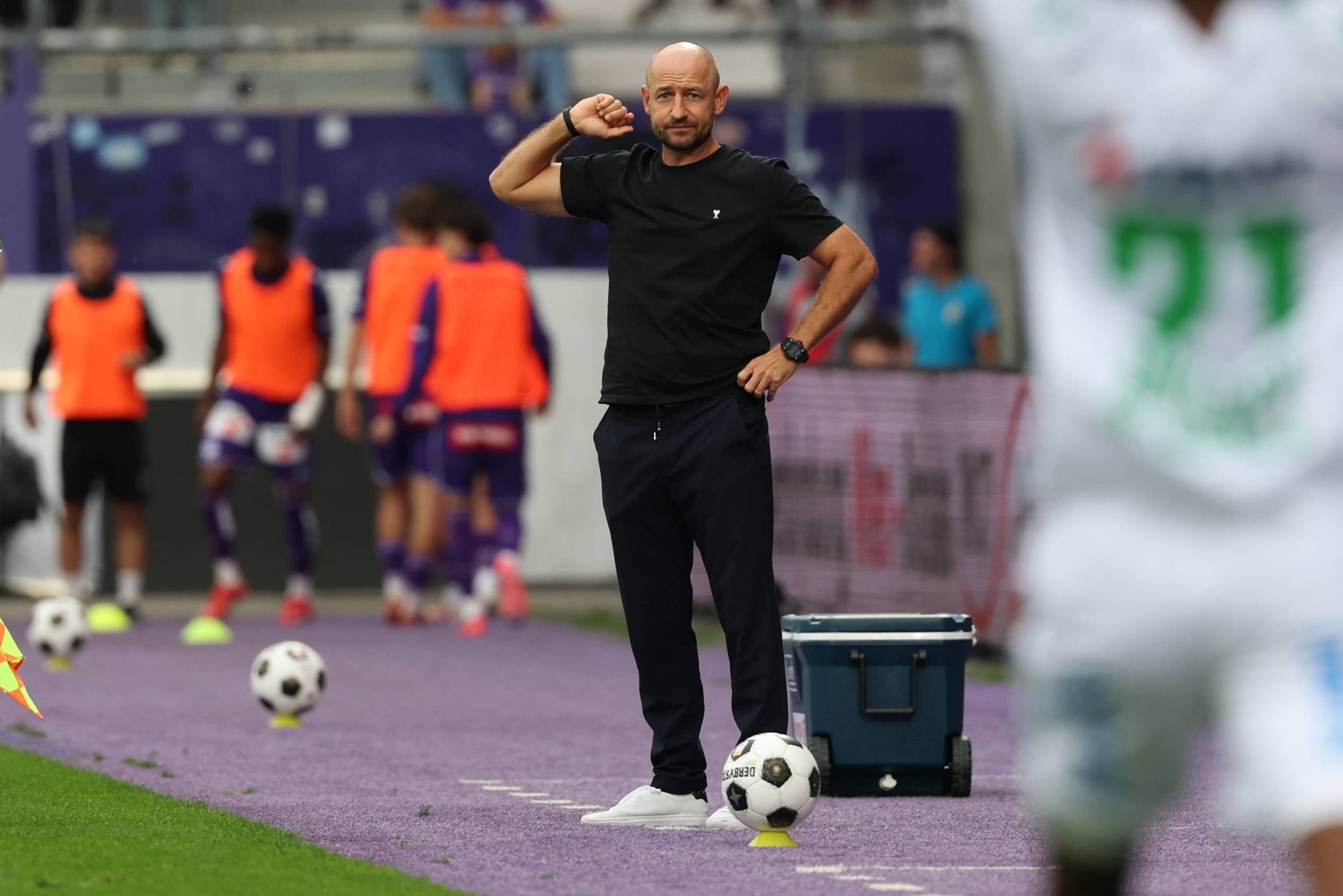
The problems now extend well beyond individual mistakes. Head coach Stephan Helm’s preferred system is becoming increasingly ill-suited to the players at his disposal, previously successful attacking patterns have stopped working, and the team repeatedly loses its organisation after setbacks. Sporting director Tomas Zorn is also coming under growing scrutiny over his recruitment strategy.
Another lead squandered, another collapse
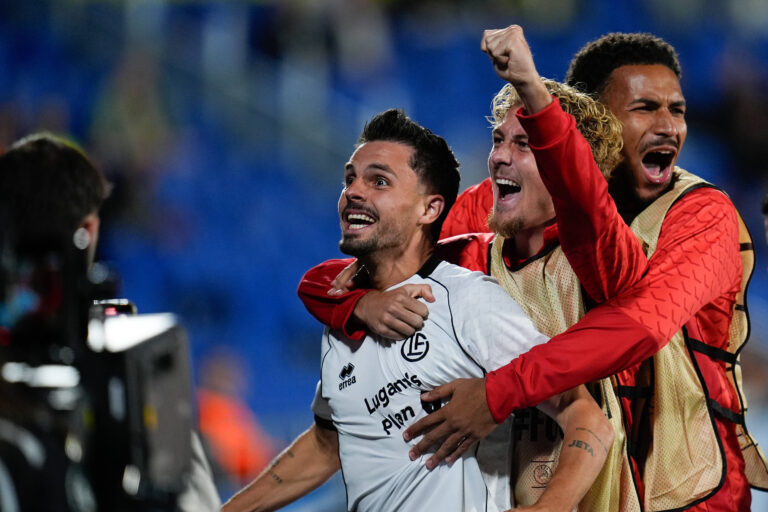
Just as in their 3-2 defeat at Ried, Austria failed to protect a lead against Altach. Johannes Eggestein put the visitors ahead in the 40th minute, but Patrick Greil’s direct free-kick (70′) and Yann Massombo’s goal following an assist from Lukas Jäger (80′) turned the match around.
Austria’s response to the equaliser was particularly concerning. Their defensive organisation deteriorated as Altach began attacking with greater conviction. The hosts’ winning goal came down their right flank, where Jäger was afforded too much space to pick out Massombo.
The statistics offered little evidence of Austria being the superior side. Although the visitors enjoyed 55 per cent possession, Altach registered 15 shots to Austria’s eleven. The difference was even more pronounced in efforts on target, with the home side leading 7-3.
Expected goals figures of 1.07 for Austria and 0.88 for Altach indicate a relatively even contest. Yet the Vienna side struggled to turn their possession into a consistent supply of dangerous opportunities. Conceding the decisive goal in a match that, on the balance of play, should at least have yielded a draw perfectly encapsulates the rut in which the Violets find themselves.
The back five is becoming a liability
One of the main areas of concern is Helm’s preferred 3-4-3 or 3-4-2-1 formation, which becomes a back five when defending.
Against Altach, Reinhold Ranftl, Johannes Handl and Ibrahim Buhari formed the three-man defence, with Daniel Nnodim and Taeseok Lee occupying the wing-back positions. Ahead of them, the central midfielders were expected both to organise the build-up and provide defensive cover.
The system worked considerably better last season. With the current personnel, however, its weaknesses have become increasingly apparent.
Central defence is a particular problem. Aleksandar Dragović and Philipp Wiesinger are unavailable, forcing Ranftl to fill in at a position that limits his attacking qualities. Handl and Buhari have been unable to provide the necessary stability and are making far too many mistakes.
The distances between the different units create another difficulty. When the wing-backs remain deep, Austria lack passing options further forward. When they push up aggressively, the three centre-backs are left covering larger spaces.
Austria have already shown that a back four could offer an alternative. After switching to four defenders at home against Sturm Graz, they significantly increased their attacking pressure. Captain Manfred Fischer subsequently described the change as refreshing. Nevertheless, Helm reverted to his familiar formation in Altach.
Austria’s attack no longer suits its established patterns
The attack has also failed to adapt convincingly to the players currently available.
Last season, Austria enjoyed considerable success through wide combinations and direct passes into space behind opposition defences. Players such as Dominik Fitz, Maurice Malone and Nik Prelec played important roles in different phases of that attacking approach.
Those patterns cannot simply be reproduced with a significantly altered squad. Eggestein works tirelessly for the team, but he is not a traditional runner in behind who can constantly chase long passes beyond the defensive line.
Julian Hettwer possesses pace, but needs space and the right service to make effective use of it. Meanwhile, Fischer is repeatedly asked to provide creativity in central areas, even though his greatest strengths lie in his movement, pressing and ability to find dangerous positions.
The result is an attack in which individual players are unable to make full use of their qualities. Too often, the connection between the build-up and the forward line is missing.
Supporters and observers are increasingly questioning whether Austria even possess the personnel required to implement Helm’s preferred system. It is a fundamental criticism: a tactical structure must be tailored to the abilities of the available players, rather than demanding that the players fit a system unsuited to their strengths.
Set pieces and a lack of confidence deepen the crisis
Problems at set pieces and with defensive positioning have compounded Austria’s difficulties.
Greil’s free-kick for the equaliser was superbly struck and virtually impossible to defend. That goal alone therefore says little about the quality of Austria’s defending.
What happened afterwards was far more revealing. The visitors lost their composure, defended less effectively and allowed Altach to create further dangerous opportunities.
Such reactions have become a recurring pattern. After conceding, Austria appear unsettled, make poorer decisions and lose the organisation they had previously maintained.
Fischer was almost lost for words after the match. The captain admitted that Austria are simply finding it difficult to win games at present. He spoke of serious questions that needed answering and expressed understanding for the travelling supporters, who symbolically turned their backs on the team after the final whistle.
Helm also acknowledged the problem. His players were repeatedly undermining their own performances by conceding relatively simple goals. Nevertheless, he insisted that everyone had to remain clear-headed in such difficult circumstances.
Helm is not the only one responsible
Austria’s sporting crisis also raises serious questions about the club’s recruitment.
Players such as Hettwer, Müller and Buhari arrived in the summer with the expectation that they would strengthen the squad. So far, they have delivered only part of what was hoped for. At the same time, the team lacks experience, defensive reliability and creativity in the final third.
Sporting director Tomas Zorn nevertheless believes the squad is strong enough to qualify for the Championship Group. He has also pointed to injury-related absences and the need to develop young players.
Those arguments explain some of Austria’s difficulties, but they cannot adequately justify the season so far. Seven defeats in ten matches are unacceptable for a club with Austria’s ambitions.
The decision-makers must therefore critically reassess both the tactical approach and the composition of the squad.
Cup clash and Vienna derby could decide Helm’s future
The pressure on Stephan Helm is intensifying. Zorn publicly backed his head coach before the defeat in Altach, but whether that support will survive another setback remains uncertain.
The fixture list offers little opportunity to work on solutions in peace. Austria face TSV Hartberg in the Austrian Cup round of 16 on Tuesday, followed by the Vienna derby against league leaders SK Rapid the following Sunday.
Marginal improvements in individual performance metrics will no longer be enough. Helm must put a team on the pitch whose playing style suits the available personnel and whose organisation does not collapse after setbacks.
If he fails, Austria risk seeing their sporting objectives slip out of reach before the winter break. At that point, a decision on the head coach’s future will become increasingly difficult to postpone.