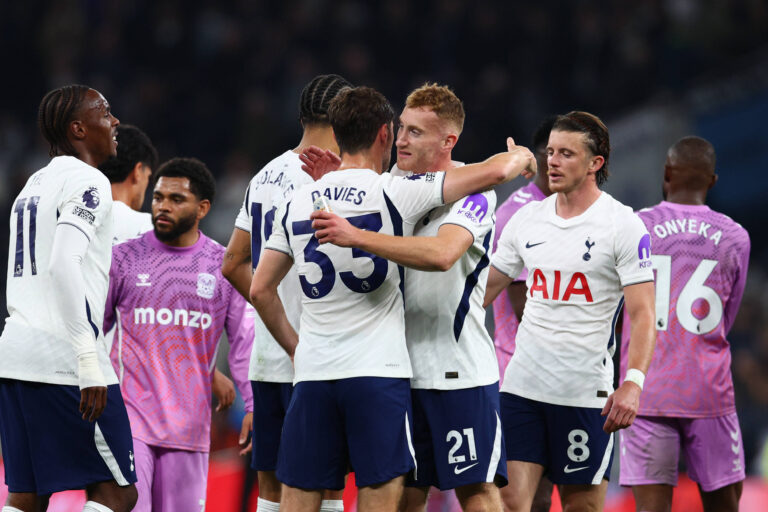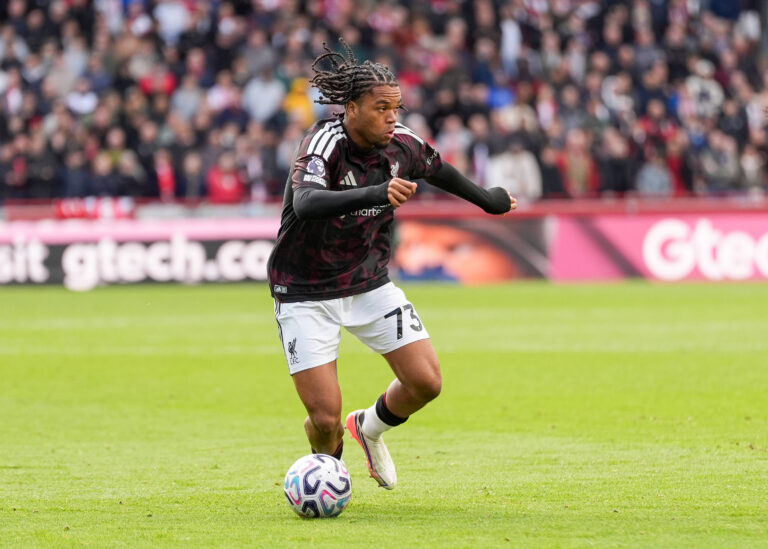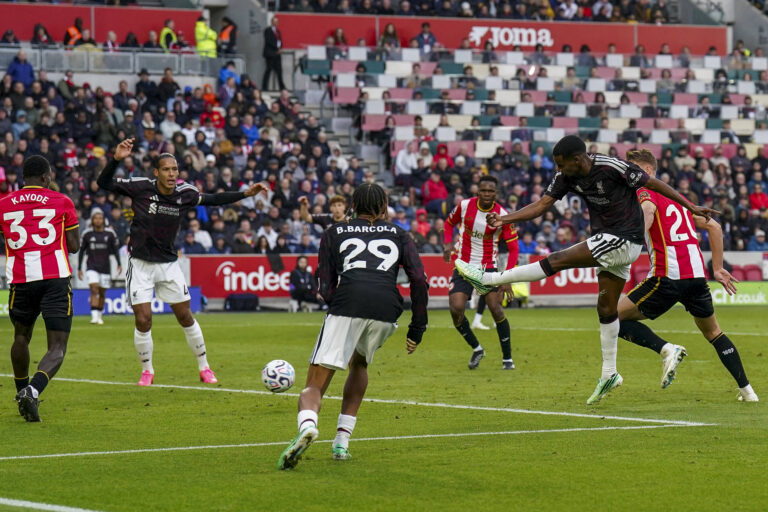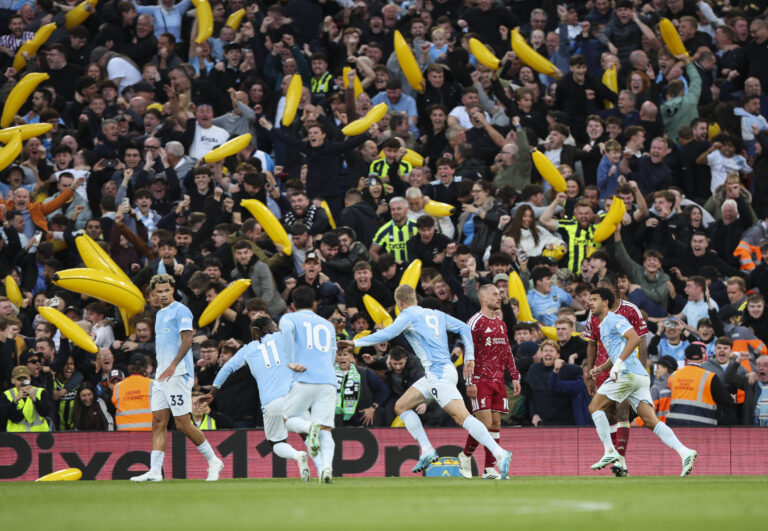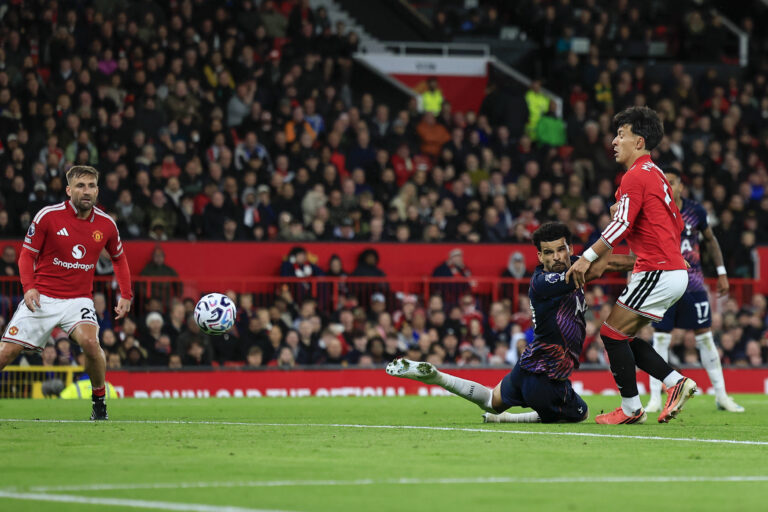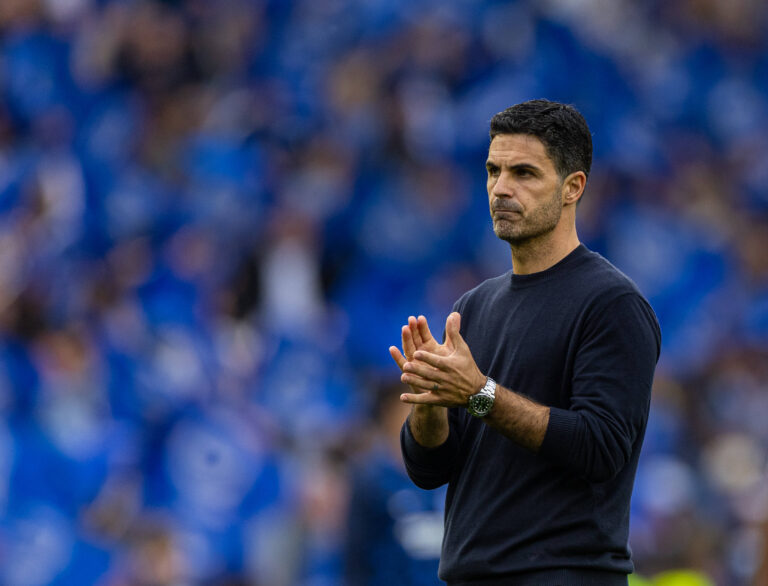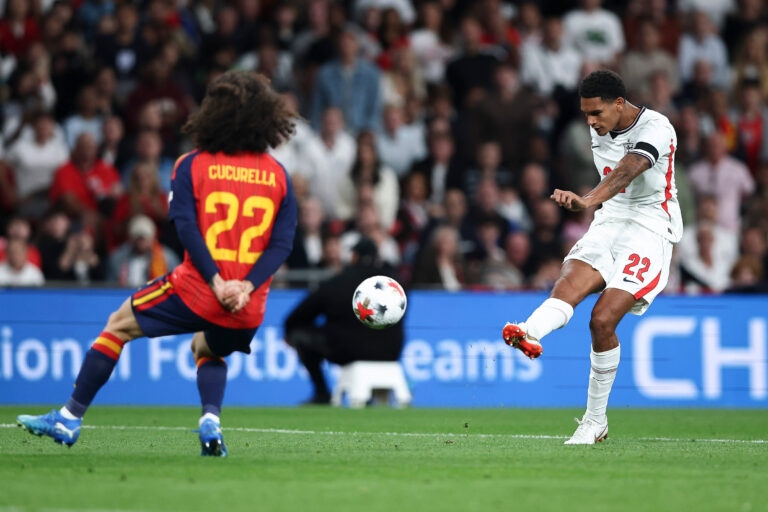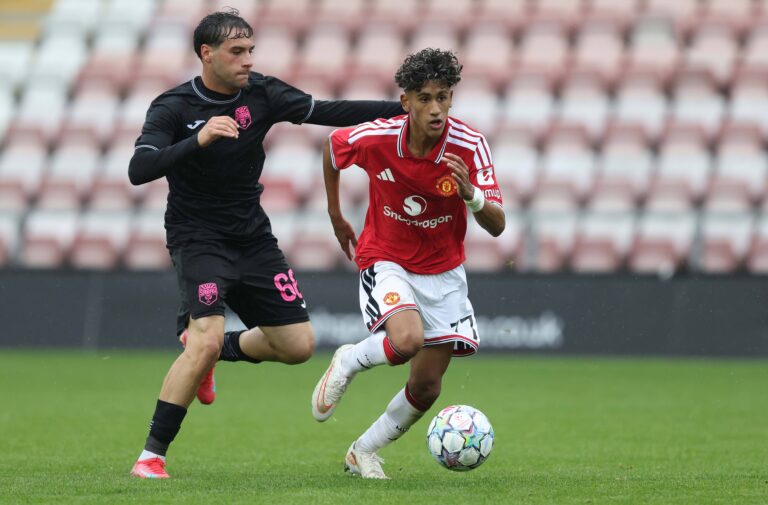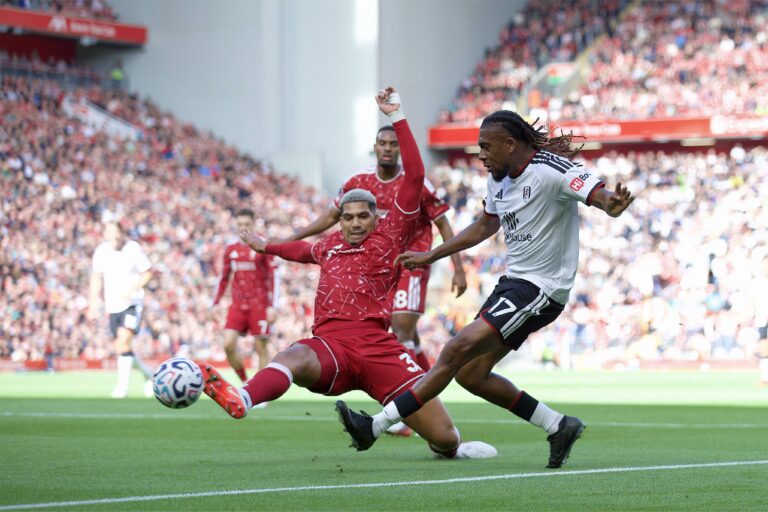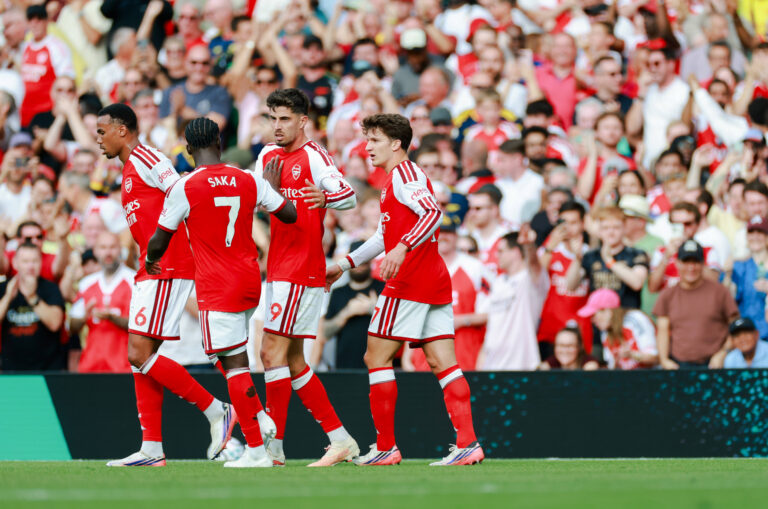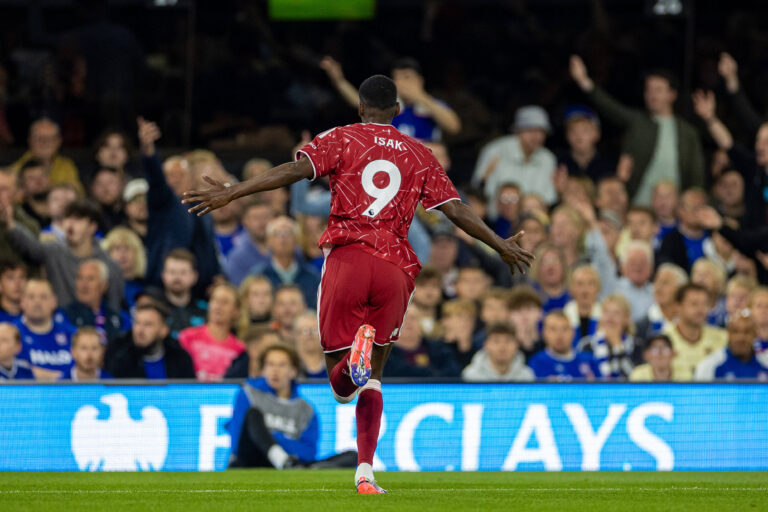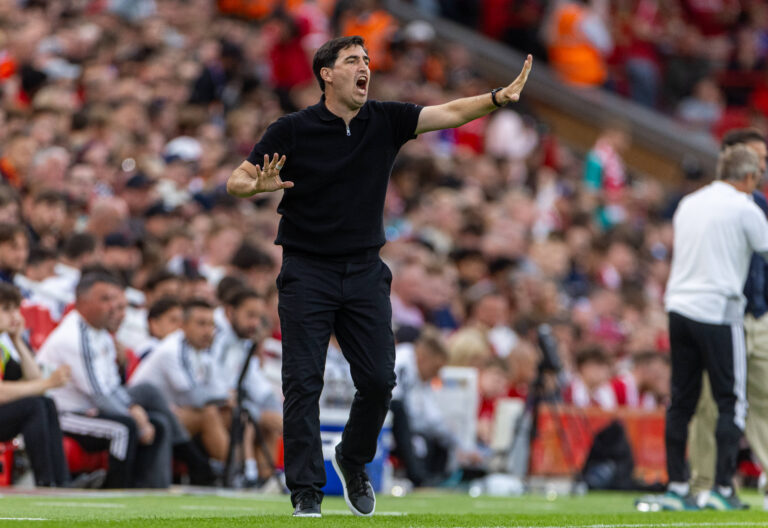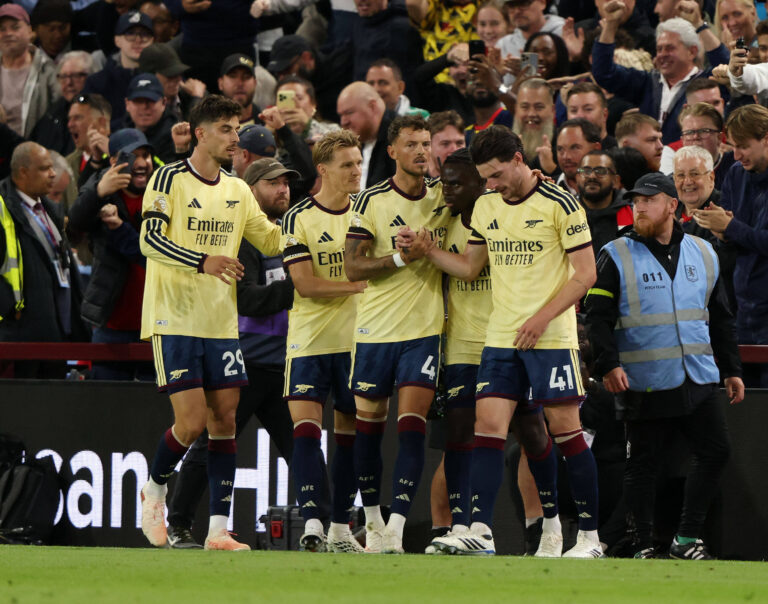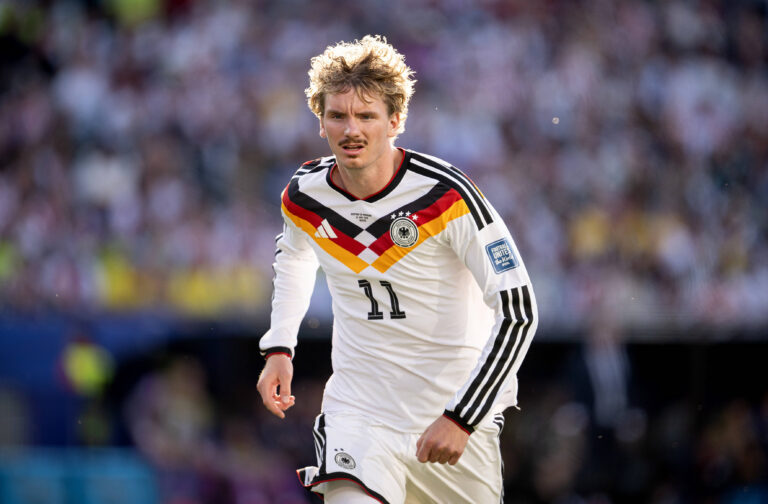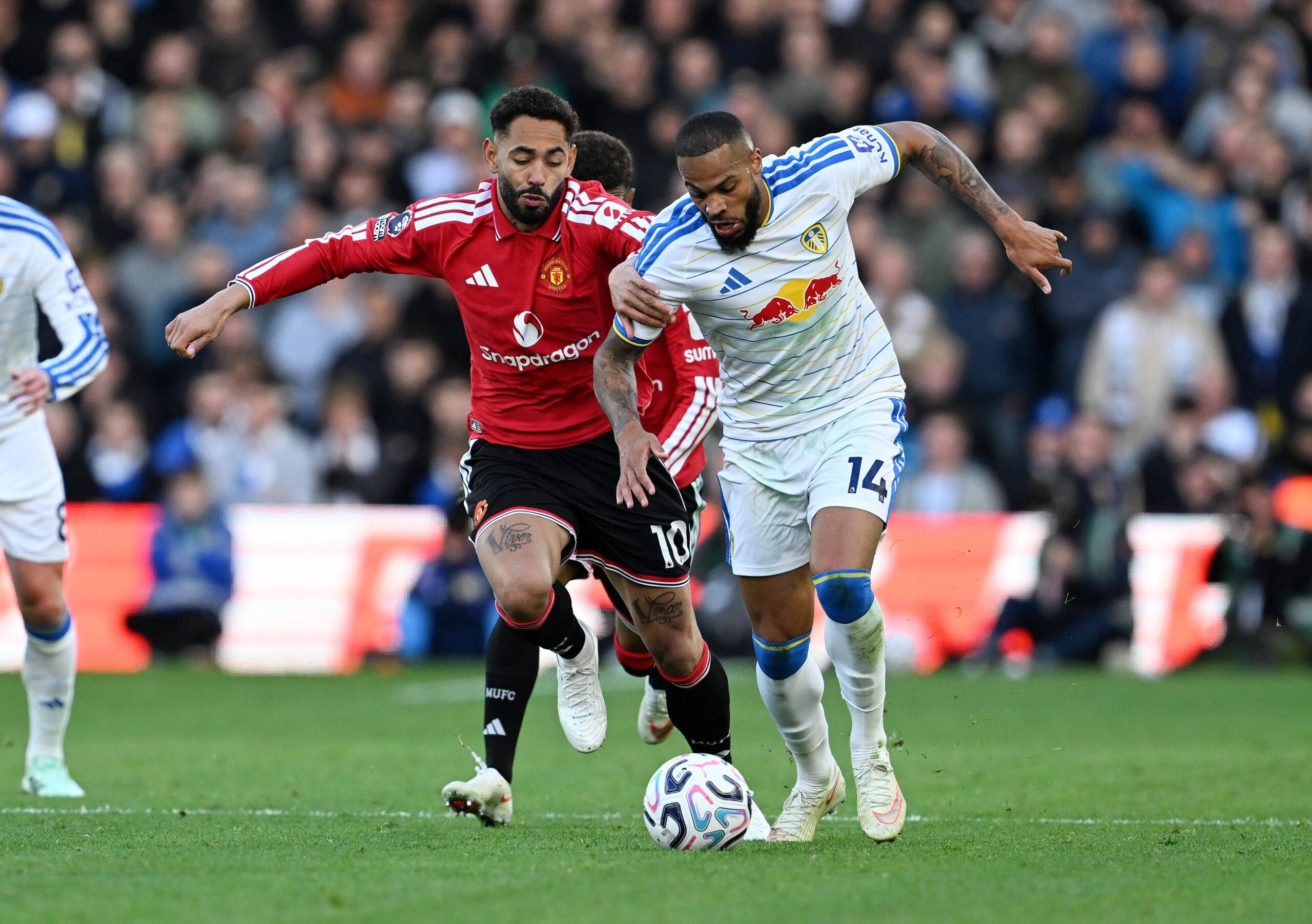
Bryan Mbeumo gave the visitors the lead after 35 minutes, but Dominic Calvert-Lewin equalised shortly after half-time. Leeds had more of the game overall and reached dangerous areas more regularly, while Manchester United once again struggled to impose themselves for sustained periods.
Leeds unchanged as United reshape their attack
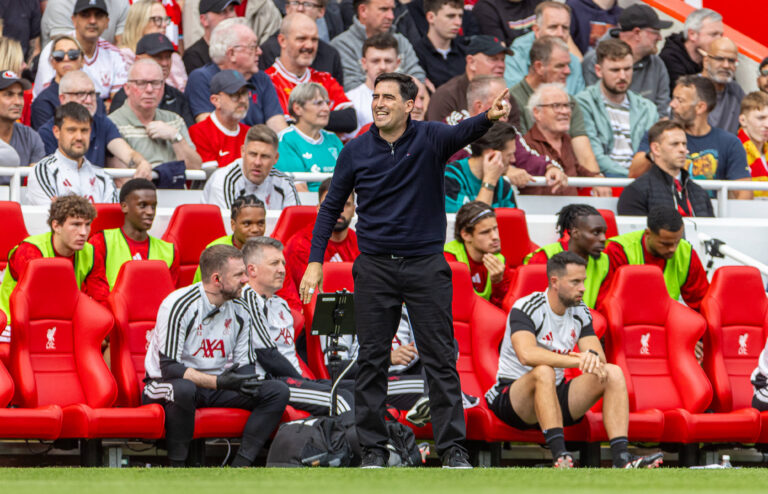
Daniel Farke named the same starting XI for the fifth consecutive match. Leeds lined up in a 3-4-2-1, with Dominic Calvert-Lewin leading the line and Anton Stach and Noah Okafor operating behind him. Jayden Bogle and Gabriel Gudmundsson provided the width as wing-backs.
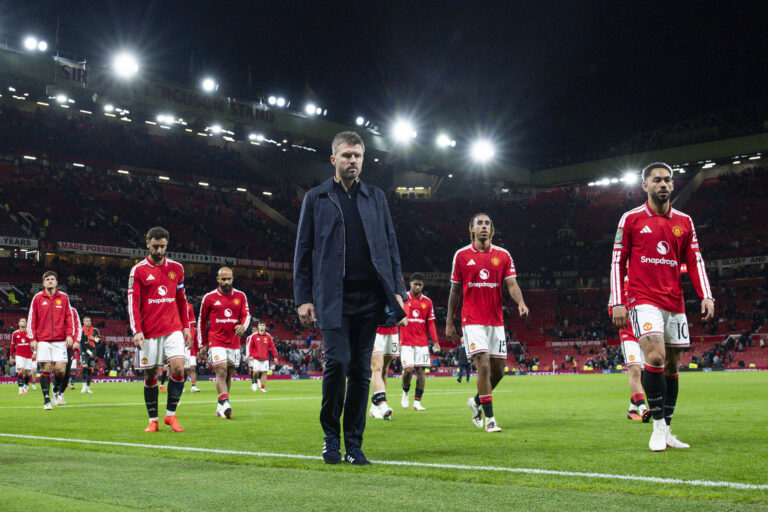
Carrick made two changes from the 2-0 Champions League defeat at Atlético Madrid. Harry Maguire and Amad Diallo came into the side, while Carlos Baleba made his first Premier League start. Lisandro Martínez also started despite the recent attention surrounding his public comments on the club’s transfer policy. Benjamin Šeško, Patrick Dorgu and Manuel Ugarte were among those unavailable through injury.
The tactical contrast was clear. Leeds wanted to dominate possession, press Manchester United high and then attack through wide areas with repeated deliveries towards Calvert-Lewin. United were more direct after breaking the first line of pressure. Bruno Fernandes and Mbeumo regularly swapped positions, while Tielemans drifted from the No. 10 role into open spaces on the flanks.
Leeds apply pressure but Mbeumo strikes first
Leeds executed their plan well for long spells in the first half. Their frequent crosses caused United problems, with Bogle and James Justin pushing high and Stach repeatedly looking for Calvert-Lewin. Set pieces were another source of danger, and Nico Elvedi forced Senne Lammens into a save with a header from one delivery.
Manchester United nevertheless defended solidly at first. Maguire and Leny Yoro dealt with many of the aerial balls and prevented Leeds from turning their sustained spells of pressure into clear-cut chances. At the other end, the visitors found space whenever they managed to play through Leeds’ high press with a few quick passes.
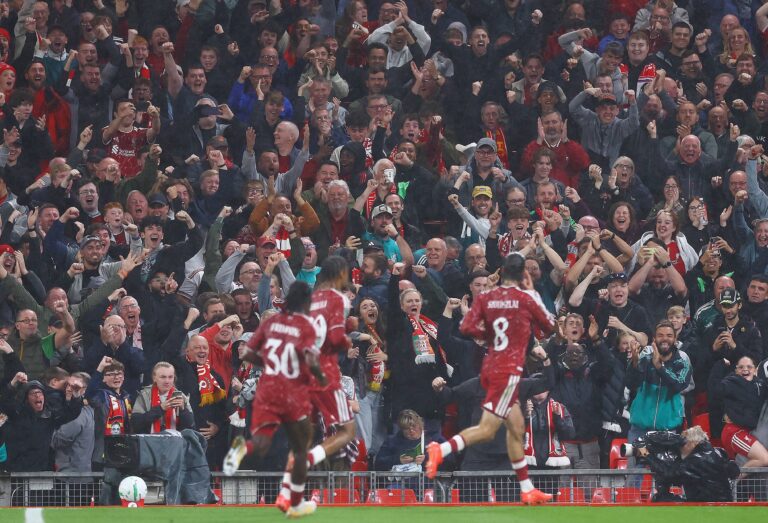
That was where United’s best moments came from. In the 28th minute, Tielemans picked out Mbeumo with a cross from the right, but the forward headed wide from a good position. Seven minutes later, the same combination produced the opening goal. Tielemans again found room on the right and crossed towards the far post, where Mbeumo got inside Justin and steered his first-time finish past James Trafford into the far corner.
The lead was not entirely against the run of play. Leeds had more of the ball, but Manchester United were more decisive in their limited attacking moments and created the cleaner opportunities before the break. Leeds, by contrast, too often lacked the final bit of accuracy with their crosses.
Calvert-Lewin earns Leeds a deserved equaliser
Carrick replaced Martínez with Noussair Mazraoui at half-time. Leeds returned unchanged and immediately increased the pressure. The hosts pinned Manchester United back for long stretches and continued to attack the box through crosses and set pieces. Their possession briefly approached 70 per cent in the opening stages of the second half.
The equaliser arrived in the 51st minute and was deserved. Stach delivered a corner towards the near post, Tarik Muharemović flicked it on and Calvert-Lewin was afforded too much time around seven metres from goal. The striker controlled the ball before finishing for 1-1.
Leeds remained the more proactive side. Tanaka threatened after a partially cleared attack, while another set piece caused further uncertainty in the United box. Muharemović was particularly impressive. In addition to his assist, he defended well and repeatedly opened the pitch with long diagonal passes towards Bogle.
Manchester United needed around 20 minutes after the equaliser to regain some composure. Fernandes shot wide at the far post following a Yoro cross and later tested Trafford from distance, but Carrick’s side were never able to pin Leeds back for any sustained spell.
Leeds go closest to a late winner
The game became more open in the closing stages. Leeds introduced Lukas Nmecha and later Sean Longstaff, while Carrick responded with Mason Mount and Matheus Cunha. Even so, the best chance to win the game fell to the hosts.
In stoppage time, Lammens failed to deal cleanly with a cross. Stach got a shot away and beat the goalkeeper, only for Mazraoui to clear off the line. Almost immediately at the other end, Longstaff blocked an effort from Cunha. That proved to be the final meaningful action.
The numbers slightly favoured Leeds. Farke’s side finished with 61 per cent possession and led the expected-goals count 1.44 to 0.91. The difference in touches inside the opposition box was also notable: Leeds had 21, Manchester United only 12. The visitors did, however, edge the overall shot count 13-12.
Leeds carried out much of their game plan effectively. They controlled central areas, used the width of their wing-backs and kept United occupied with crosses and set pieces. What they lacked was efficiency in the final third, as too many promising attacks failed to become genuinely clear chances.
Manchester United still searching for answers
For Manchester United, familiar problems resurfaced. The team can still produce individual dangerous attacks, but at present it rarely manages to dictate the rhythm of a game for any significant period. After taking the lead, United gradually dropped deeper and finished with just 39 per cent possession while reaching the Leeds box far less frequently.
Maguire, Yoro and the impressive Dalot helped United withstand plenty of pressure, but in attack there was too often a disconnect between midfield and the front line after Mbeumo’s goal. Particularly in the second half, the visitors spent long spells simply trying to keep Leeds away from their own goal.
A draw was therefore a fair outcome, even if Leeds were slightly closer to victory thanks to their higher xG figure and greater share of the game. For Farke, the performance was another indication that his side can compete with stronger opposition through intensity, courage and a clear tactical structure.
Manchester United, meanwhile, remain stuck in a poor start to the season. The 5-2 win over Ipswich on August 30 remains their only Premier League victory after seven matches. The point at Leeds at least prevents another defeat, but it does little to solve the deeper issues currently holding Carrick’s side back.