Ten months after one of the most chaotic finals in Africa Cup of Nations history, the legal battle over the trophy has finally been settled. Two CAF judicial bodies had reached opposing conclusions before the dispute was taken to CAS in Lausanne.
Controversial penalty sparks extraordinary scenes
Hosts Morocco faced Senegal in the final in Rabat on 18 January 2026. With the score still goalless deep into stoppage time, the match descended into controversy. First, Ismaïla Sarr appeared to have put Senegal ahead, only for his goal to be disallowed for a foul.
Moments later, referee Jean-Jacques Ndala awarded Morocco a penalty following a VAR review. El Hadji Malick Diouf had brought down Brahim Díaz during a corner, prompting a decision that sparked furious protests from the Senegalese players.
Senegal head coach Pape Thiaw instructed his players to leave the pitch. Play was suspended for approximately 15 minutes before captain Sadio Mané, among others, persuaded his teammates to return.
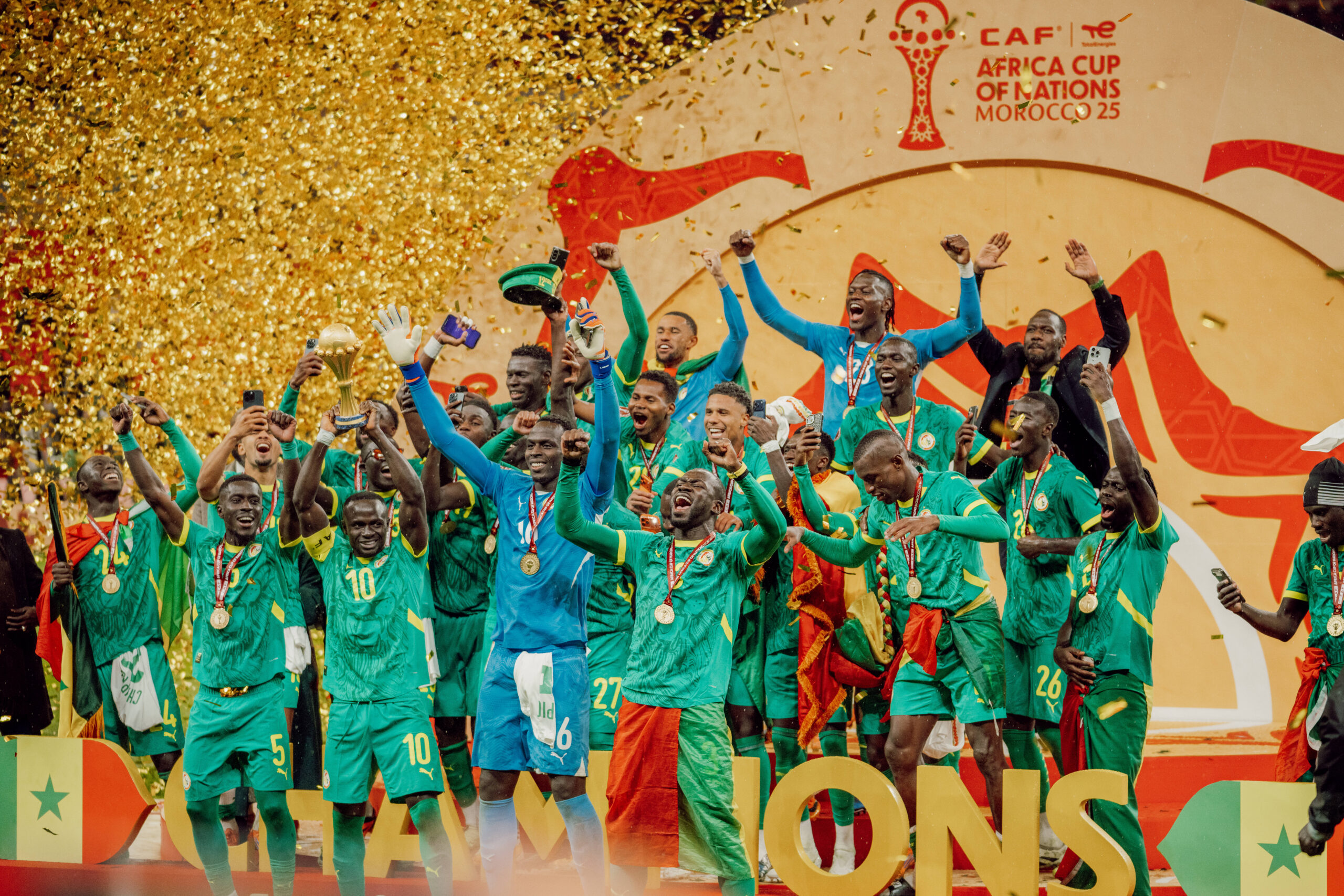
Díaz subsequently attempted a chipped penalty, but goalkeeper Édouard Mendy comfortably saved his effort. Four minutes into extra time, Pape Gueye scored the decisive goal to seal Senegal’s second Africa Cup of Nations title.
CAF imposes sanctions but initially upholds Senegal’s victory
On 19 January, CAF condemned the incidents and launched disciplinary proceedings. Substantial sanctions followed on 28 January. Thiaw received a five-match suspension, several Senegal players were also banned, and the Senegalese football federation was handed significant financial penalties.
Morocco also faced sanctions over various incidents surrounding the final. Crucially, however, CAF’s Disciplinary Board initially rejected the Moroccan federation’s protest against the result. Senegal’s 1-0 victory and their status as champions remained intact.
Morocco awarded the title two months after the final
The Moroccan federation challenged that decision, lodging an appeal with CAF. On 17 March 2026, CAF’s Appeal Board ruled in Morocco’s favour and overturned the original disciplinary decision.
At the centre of the dispute were Articles 82 and 84 of the Africa Cup of Nations regulations. These provide for sanctions when a team leaves the pitch without the referee’s permission before the match has ended or refuses to continue playing. Morocco argued that Senegal’s temporary walk-off constituted precisely such a breach. Under that interpretation, referee Ndala should not have allowed the match to resume.
The Appeal Board accepted Morocco’s argument and retrospectively declared Senegal to have forfeited the final. The 1-0 result achieved on the pitch was replaced by a 3-0 victory for Morocco, effectively handing the hosts the continental title almost two months after the trophy had been presented.
The ruling provoked strong opposition in Senegal. The Senegalese federation maintained that the referee had authorised the resumption of play and that the final had been completed in accordance with the rules. Its appeal was registered with the Court of Arbitration for Sport on 25 March, taking the dispute beyond CAF’s internal judicial system to Lausanne.
Why CAS ruled in Senegal’s favour
A private hearing was held in Lausanne on 8 October. The central question was whether CAF could retrospectively treat a match that had been played to its conclusion as abandoned and subsequently change the result. Senegal relied on the principle that decisions made by a referee during a match should not ordinarily be overturned by football’s disciplinary bodies.
On 24 November, CAS issued a unanimous ruling in Senegal’s favour. The three-member panel concluded that the authority to resume or permanently abandon the match rested with the referee. Ndala had restarted proceedings after the interruption and allowed the final to reach its conclusion. CAS found no legal error in that decision.
The court therefore set aside CAF’s Appeal Board ruling and reinstated the original decision of the Disciplinary Board. The disciplinary sanctions imposed for the players’ and officials’ conduct remain a separate matter from the question of the match result.