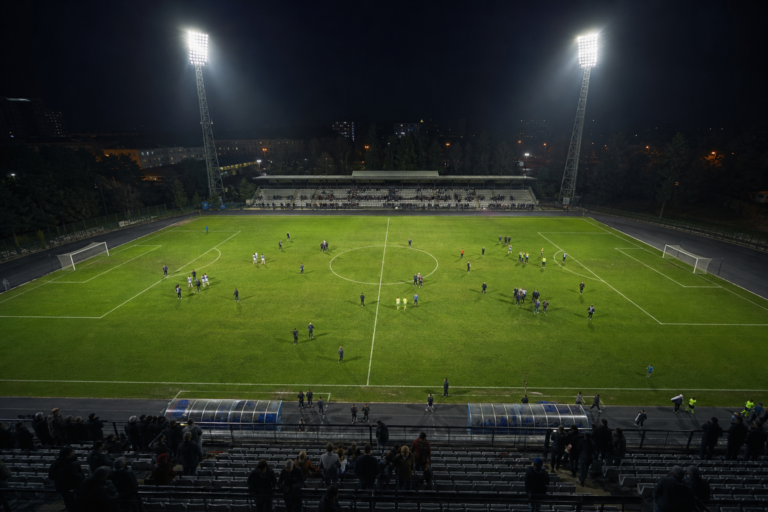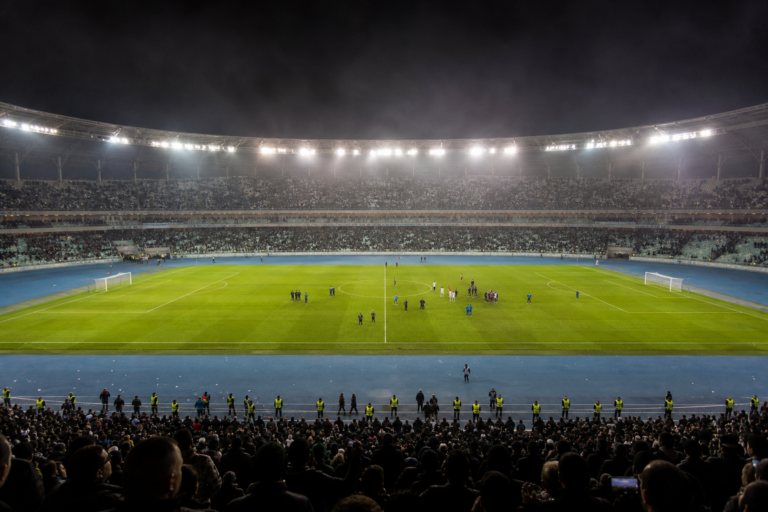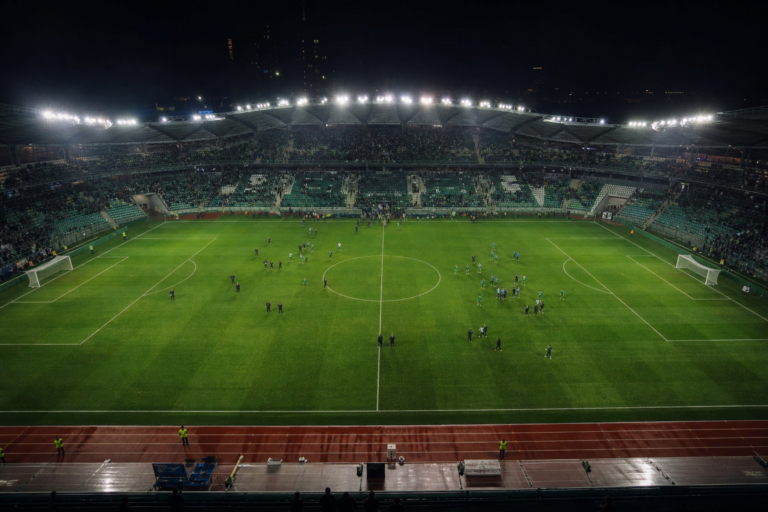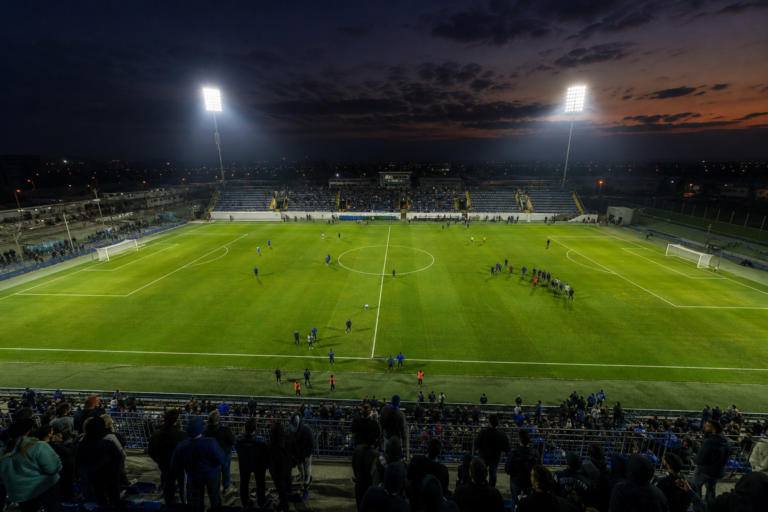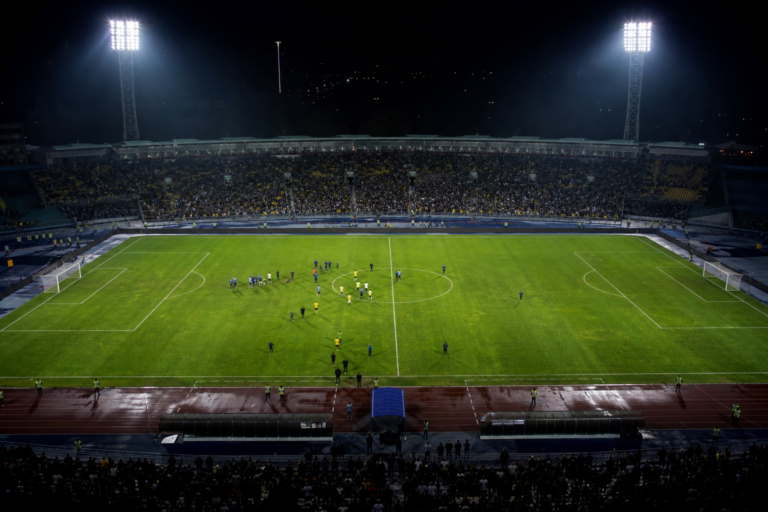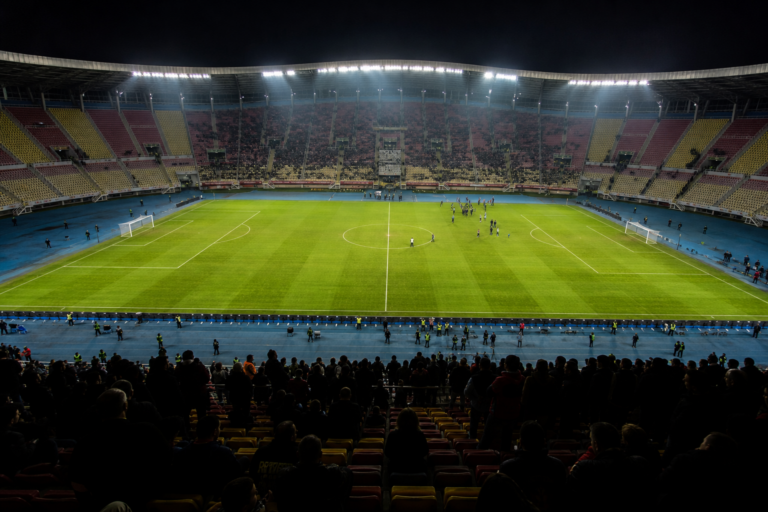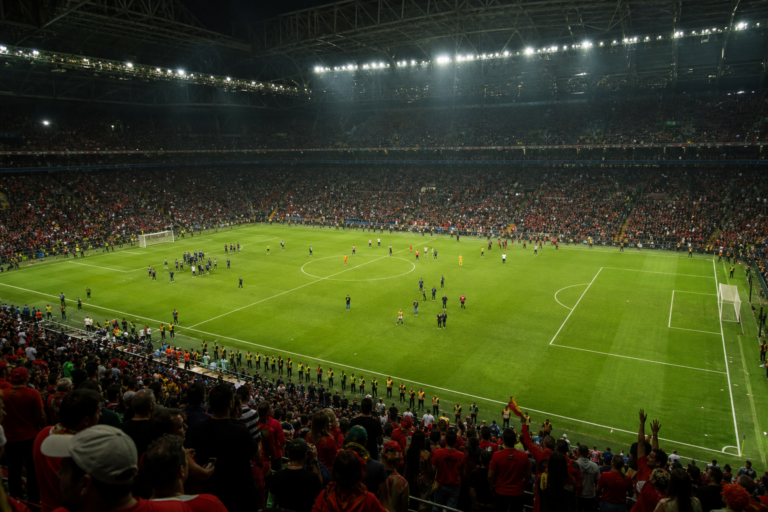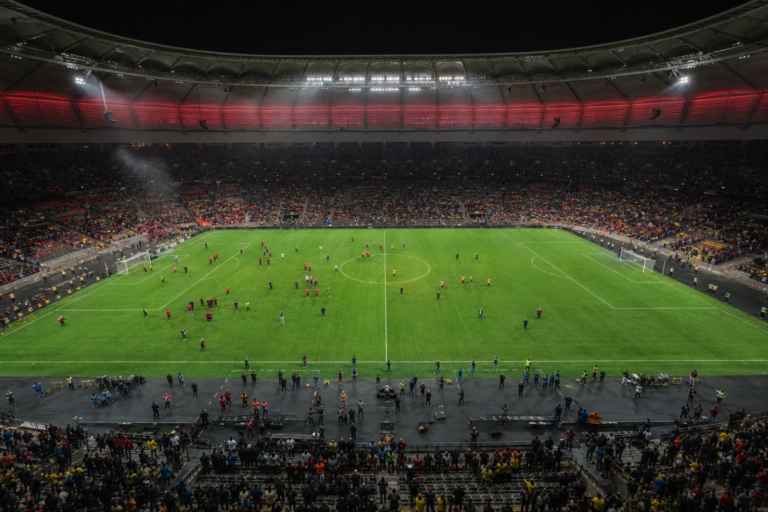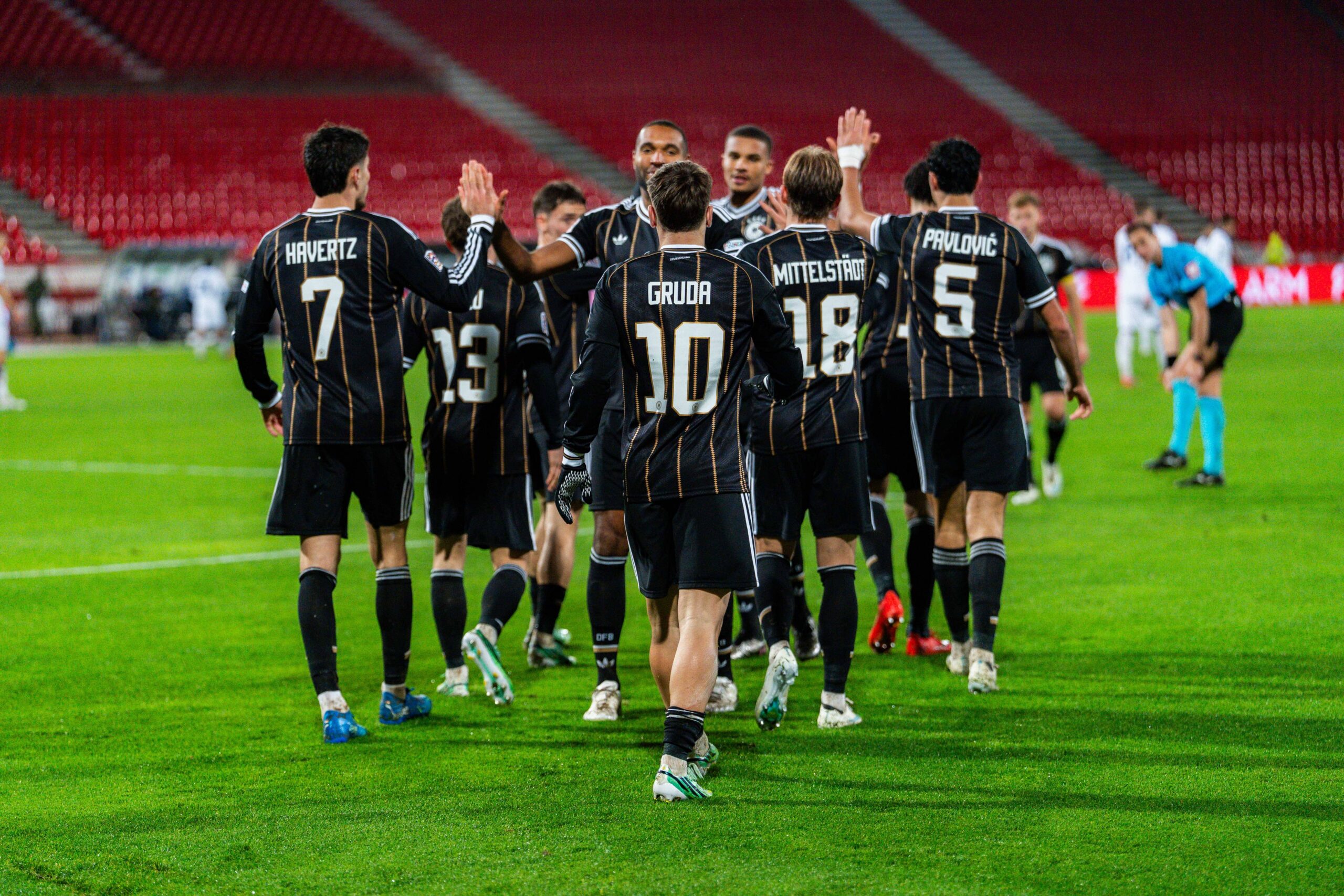
At the Rajko Mitić Stadium in Belgrade, Germany controlled proceedings for long spells. The visitors benefited from an early own goal and made their technical superiority count, while Serbia struggled to create opportunities in attack. The victory keeps Germany firmly in contention for a place in the Nations League quarter-finals.
Klopp puts his faith in Wirtz and Gruda
Germany arrived in Belgrade with five points from four matches and little room for error in the race for the two quarter-final places. Greece and the Netherlands were both three points ahead on eight, while Serbia had lost all four of their previous group matches.
Klopp deployed a 4-2-3-1 formation, with Kai Havertz leading the line. Brajan Gruda, Florian Wirtz and Derry Scherhant supported him in attack, while Joshua Kimmich partnered Aleksandar Pavlović in central midfield. Malick Thiaw and Jonathan Tah played in central defence ahead of Marc-André ter Stegen. Wirtz’s movement between the lines was particularly important to Germany’s attacking approach, allowing him to stretch the Serbian defence and link up with Havertz.
Serbia lined up in a 4-4-2, with Dušan Tadić and Mihajlo Cvetković up front. Lazar Samardžić and Sergej Milinković-Savić were expected to provide creativity from midfield. Head coach Veljko Paunović was serving a suspension and could not direct his team from the touchline. Serbia were also without the suspended Saša Lukić and Nemanja Maksimović.
Early own goal puts Germany in control
Germany made an ideal start. In the third minute, Havertz directed a dangerous header towards goal, which Srđan Babić inadvertently deflected into his own net. The early breakthrough forced Serbia to abandon their initially cautious approach.
The visitors controlled midfield and circulated possession confidently. Kimmich and Pavlović provided a reliable link between defence and attack, while Wirtz repeatedly found space between Serbia’s defensive lines. The hosts struggled to disrupt Germany’s build-up play, and Klopp’s aggressive counter-pressing made counterattacks particularly difficult. Serbia were rarely given enough time on the ball to launch attacks after regaining possession.
Germany doubled their advantage in the 14th minute. Vanja Milinković-Savić initially saved an effort from Havertz, but Wirtz reacted quickest to the rebound and turned the ball home.
The visitors consistently occupied dangerous areas around the penalty box and were quick to follow up shots. Serbia, by contrast, lacked passing options after winning possession and struggled to escape Germany’s pressure.
Gruda strikes after the break to put Germany three goals ahead
Germany continued to enjoy the greater share of possession throughout the remainder of the first half. Serbia spent long periods defending deep and rarely managed to bring their two forwards into dangerous positions. The considerable distance between midfield and attack also made quick transitions difficult.
The hosts responded with changes at half-time, introducing Andrija Živković and Vanja Dragojević in an attempt to add greater energy to their play.
Germany, however, struck again in the 50th minute. Brajan Gruda embarked on a solo run, created space for himself and fired a long-range effort into the net to make it 3-0. The attacking midfielder exploited a lack of coordination in the Serbian defence.
Serbia responded six minutes later when Babić headed home to reduce the deficit to 3-1, making partial amends for his earlier own goal.
The goal offered Serbia little lasting momentum. Germany continued to manage possession patiently and dictate the tempo, while the hosts rarely threatened ter Stegen despite adopting a more attacking approach. Klopp’s defenders maintained their organisation and prevented Serbia from building sustained pressure.
Two red cards compound Serbia’s problems
Refereeing decisions took centre stage in the closing stages. In the 76th minute, substitute Dragojević was sent off following a VAR review, leaving Serbia to play the remainder of the match with ten men.
Germany exploited the additional space to retain possession and bypass Serbia’s pressing attempts. The hosts were forced to cover greater distances to close passing lanes. Kimmich also had a goal ruled out for offside.
Serbia’s evening deteriorated further in the 89th minute when Živković, another half-time substitute, received a straight red card for protesting aggressively towards referee Javier Alberola Rojas. Reduced to nine men, the hosts had virtually no chance of mounting a late comeback.
Germany’s dominance reflected in the statistics
Germany finished with 79% possession, leaving Serbia with just 21%. The visitors also held a 9-3 advantage in shots. Their superiority in the quality of chances was reflected in the expected goals figures: Germany recorded 2.71 xG compared with Serbia’s 1.28 xG. The 3-1 result was therefore a fair reflection of the opportunities created.
The figures also help explain why Serbia never seriously threatened a comeback after pulling a goal back. Germany’s assured passing allowed them to control large periods of the match and restricted the hosts’ opportunities to build sustained attacks. The two dismissals further undermined any prospect of a late Serbian rally.
Netherlands thrash Greece as final matchday showdown awaits
Germany move on to eight points, drawing level with Greece ahead of the final round of group fixtures. The Netherlands take over at the top of the table with eleven points after an emphatic 7-0 home victory against the Greeks.
Germany host the Netherlands in Berlin on Monday in a decisive encounter. A victory would take Klopp’s side level on points with the Dutch and significantly strengthen their chances of reaching the quarter-finals. Serbia remain without a point and, after five consecutive defeats, are confirmed as relegated from League A.