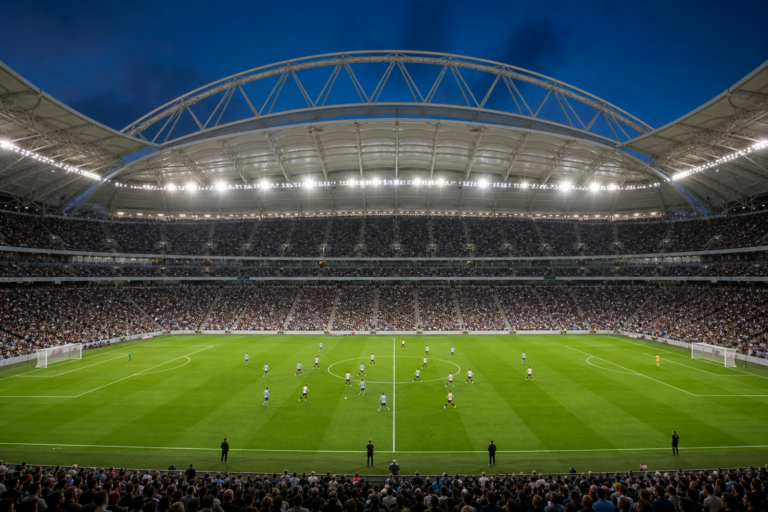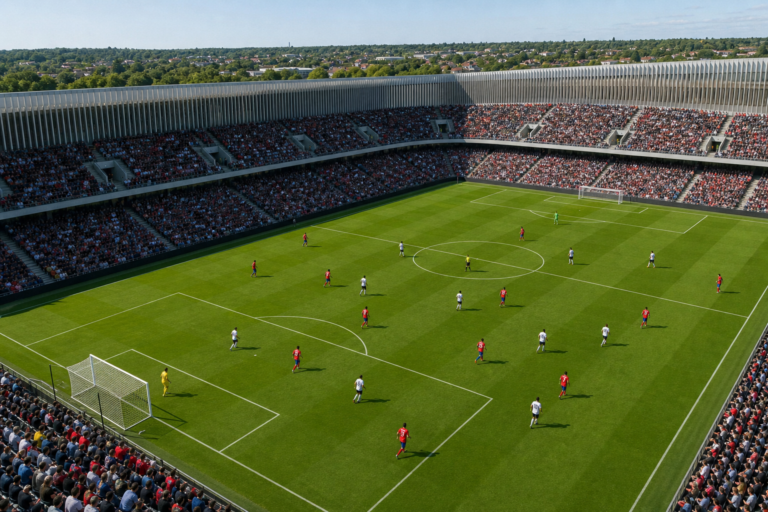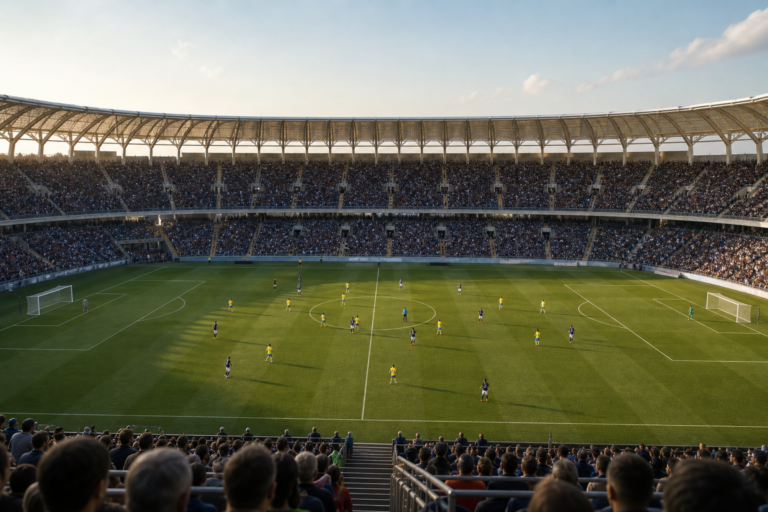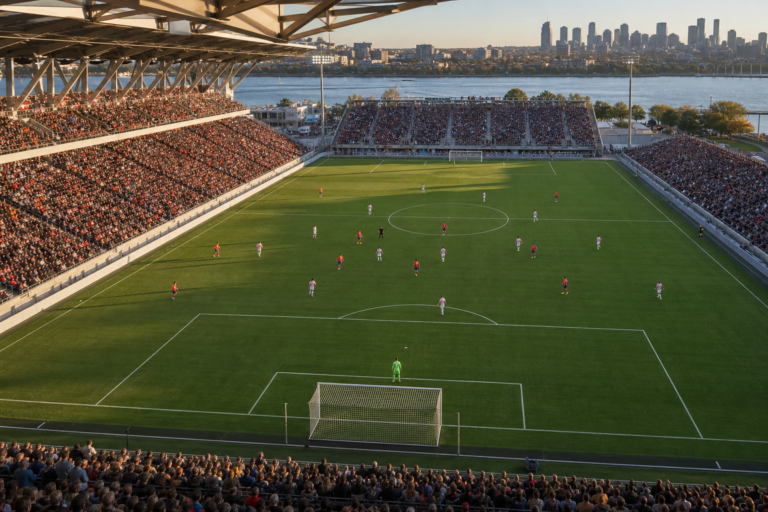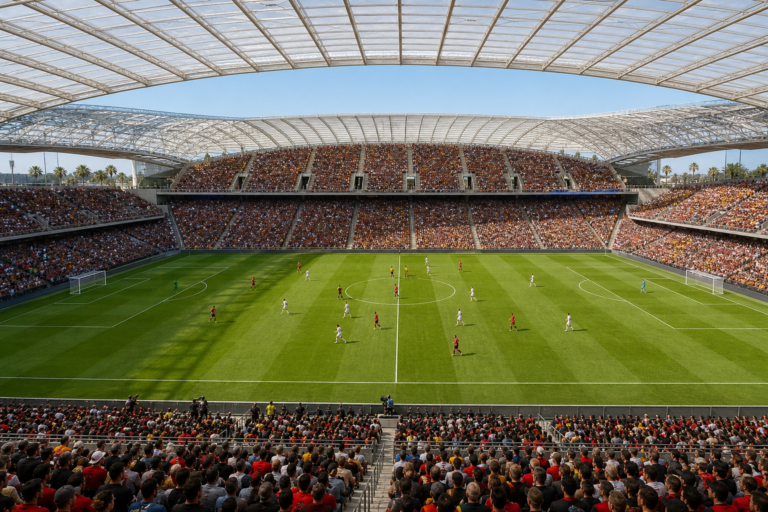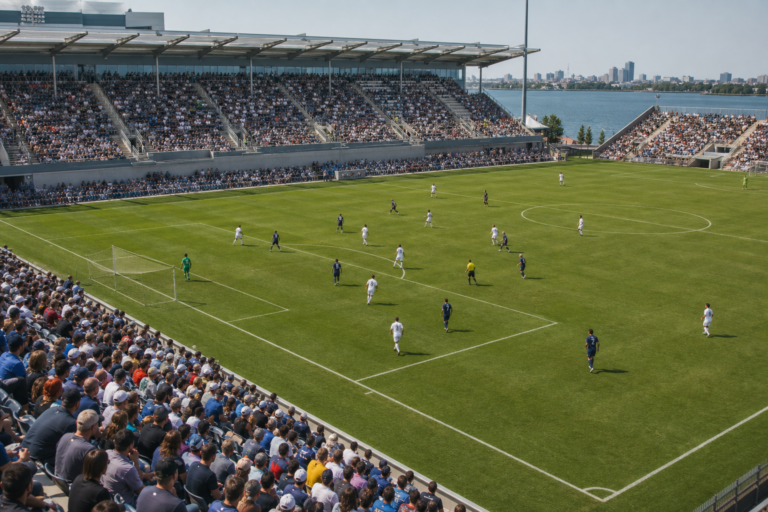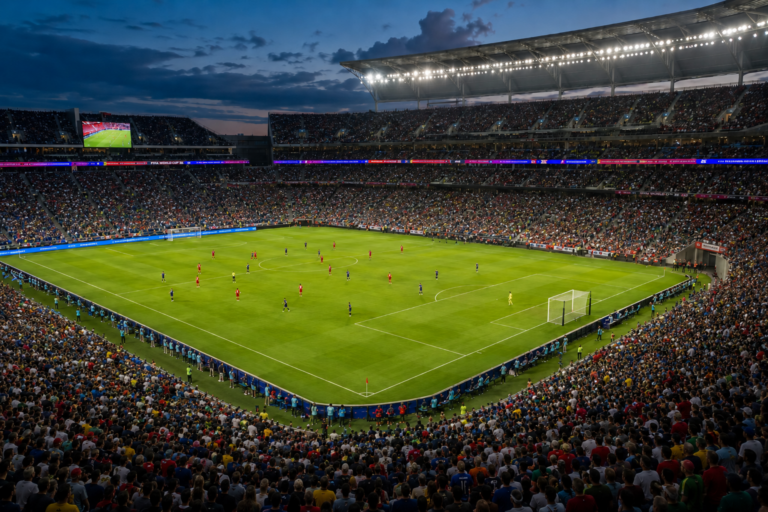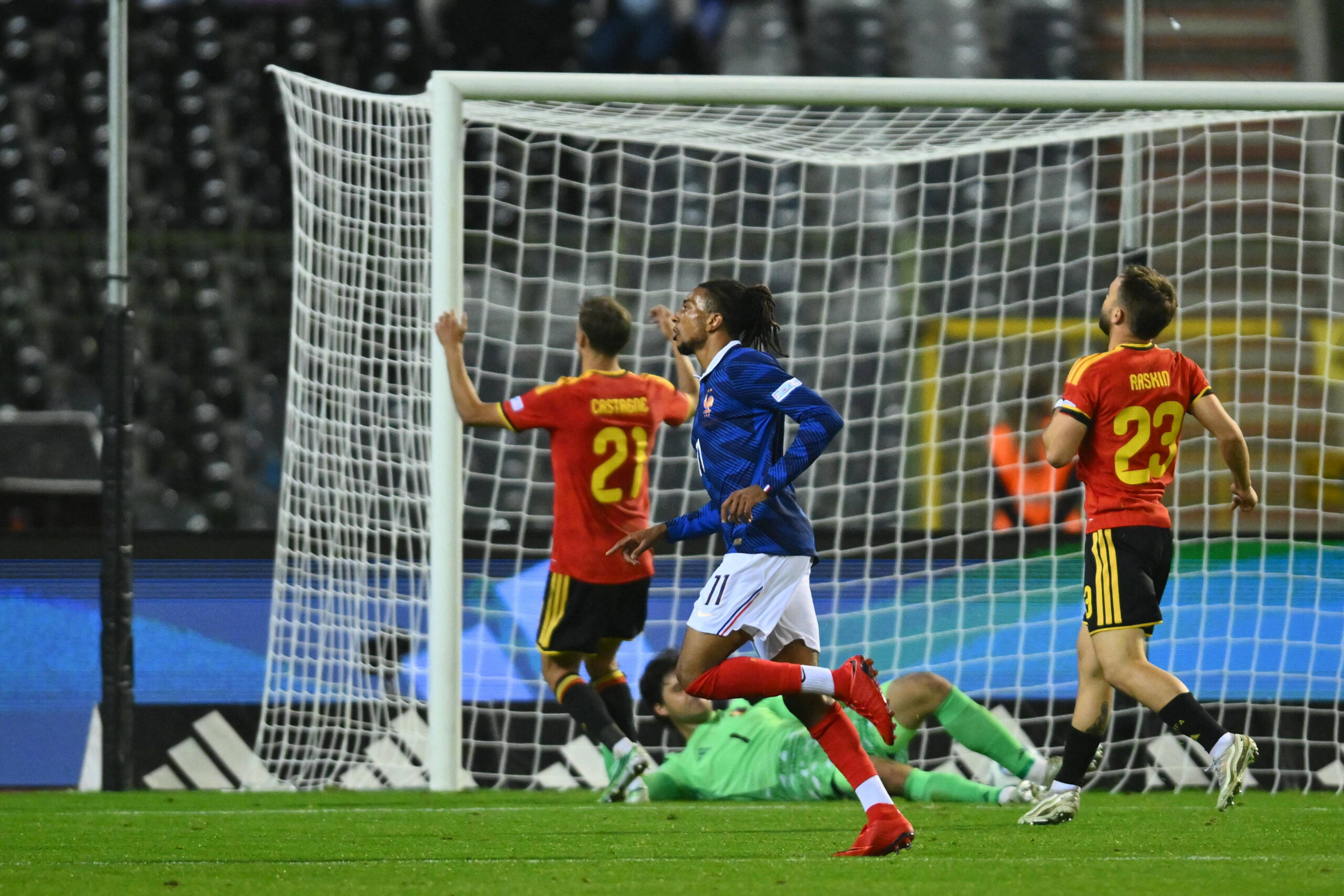
Zidane made nine changes to the team that had beaten Turkey 1-0. Even so, France dictated the game with 65 per cent possession and an 18-12 advantage in shots, although they did not create significantly more danger. The visitors held only a narrow edge on expected goals, 1.15 to 0.74. What will have pleased Zidane most, however, was the way his second string carried out the same tactical ideas.
Zidane rotates heavily without changing France’s identity
The many changes were anything but spontaneous, according to Zidane. With four matches in this international window, he said it had always been his intention to use the full depth of his squad. The key point was that the personnel changes should not alter the basic principles of the team. That is exactly what his reshaped side managed to do.
France started in a 4-3-3, but their defensive shape varied depending on the phase of play. When Belgium enjoyed longer spells of possession, France often settled into a compact 4-4-2 or 4-2-3-1 designed primarily to block central passing lanes. When pressing high, however, they became far more man-oriented and at times pushed aggressively across the entire pitch.
The idea was clear: Belgium were allowed to circulate the ball between their centre-backs, but France wanted to prevent clean progression into Roméo Lavia, Youri Tielemans or Kevin De Bruyne. Once the ball was played wide, the French press came from inside to out, attempting to trap the Belgian full-back near the touchline.
France play through Belgium’s press
Belgium also tried to press high, but especially in the first half they rarely managed to gain enough control. The distances between the first line of pressure and midfield were often too large. France repeatedly played through that initial pressure and then attacked the space left behind at speed.
Zidane spoke at length about this aspect afterwards. He wants clean build-up play and quick connections into the attacking players. Lucas Da Cunha, in particular, interpreted that role very well in midfield. For Zidane, possession is not simply about aesthetics: the longer France control the ball, the less time they have to spend chasing it.
The numbers underline that dominance. France attempted 681 passes, completing 629 of them. Belgium completed only 306.
Doué unsettles the Belgian defence
Désiré Doué was France’s most dangerous attacking player. The 21-year-old repeatedly sought one-on-one situations from the right and forced Belgium’s defensive structure out of shape. He recorded five shots, completed five dribbles and created four chances. Doué alone had 16 touches inside the Belgian penalty area.
After 12 minutes, he beat several opponents before striking the woodwork. Later, he created a good opportunity for Esteban Lepaul and remained France’s main source of disruption after the break.
Belgium struggled to find a consistent answer to those actions. Whenever the hosts pressed high, spaces opened behind the first line, and France were quick to attack them once they escaped the pressure.
Zidane was also pleased with several of the new faces. He singled out Jérémy Jacquet and Da Cunha for praise, saying their performances had not surprised him but had confirmed that they could be trusted at this level. Stade Rennais striker Lepaul also received credit despite not scoring. Zidane highlighted his pressing, movement and contribution to the team’s overall structure.
Maignan preserves the clean sheet during Belgium’s best spell
After half-time, Belgium dropped a little deeper. That reduced the space behind the first press and forced France to build more patiently. Full-backs Pierre Kalulu and Andy Diouf pushed forward more often, but almost never at the same time. When one advanced, the other stayed deeper to protect against counter-attacks.
France continued to control the match without finding the breakthrough. Lucas Da Cunha hit the woodwork, while Belgium became more threatening from around the 70th minute. Six of the hosts’ 12 shots came after the 73rd minute.
Substitute Dodi Lukébakio injected pace into Belgium’s attack and was denied twice by Mike Maignan. Zidane later singled out his goalkeeper, noting that Belgium had created two or three good opportunities but that Maignan had been exceptional in those moments. A second consecutive clean sheet was another major positive for the France coach.
Olise rewards France’s superiority
The decisive goal came, somewhat ironically, during Belgium’s strongest spell. Zidane had introduced Rayan Cherki and Michael Olise, and the double change ultimately proved decisive.
France escaped a period of Belgian pressure and broke quickly. Cherki found Olise, who accelerated forward, beat Maxim De Cuyper and curled a precise finish into the far corner in the 88th minute.
France therefore made it two wins from two under Zidane and remain on maximum points. The head coach was keen not to overstate the significance of the result, describing it simply as another step forward. What will surely have pleased him most is that nine changes barely affected the team’s playing identity – and France now head into the meeting with Italy with six points already secured.