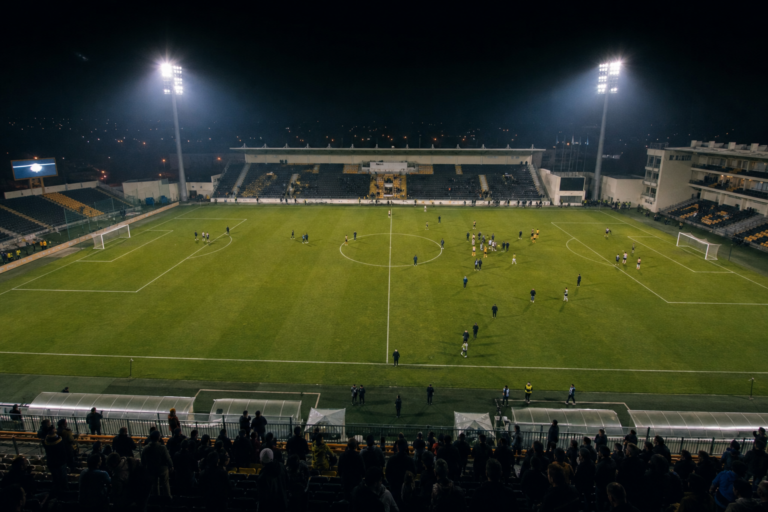
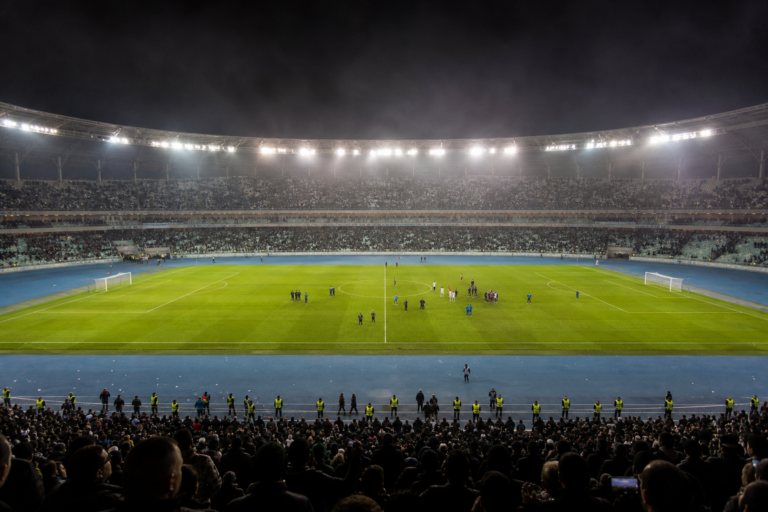
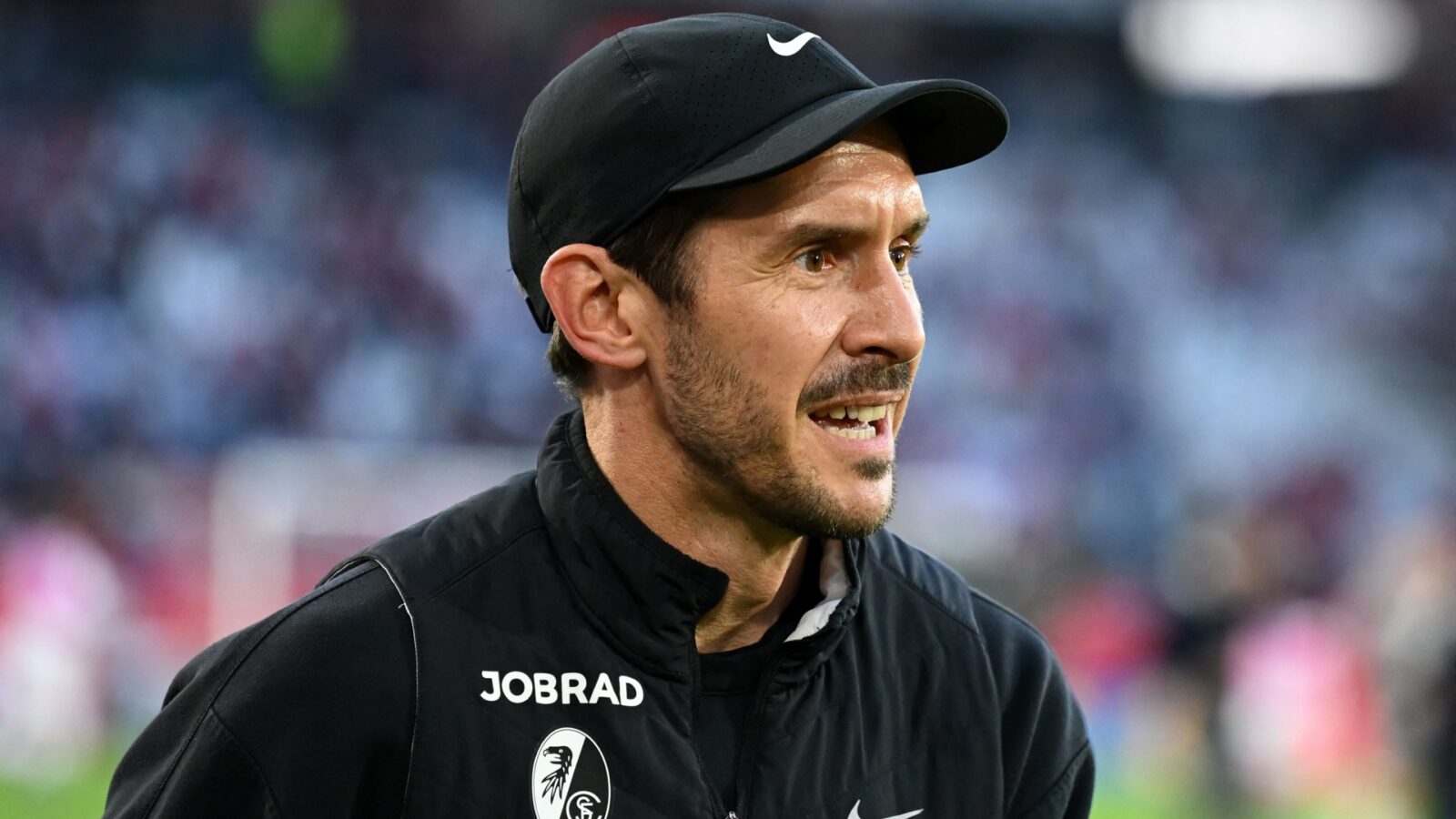
Levski had more attempts overall but failed to register a single shot on target. Danny Röhl’s side defended their penalty area with concentration and, at the other end, had enough opportunities to put the game beyond doubt earlier.
Röhl makes just one change to his starting XI
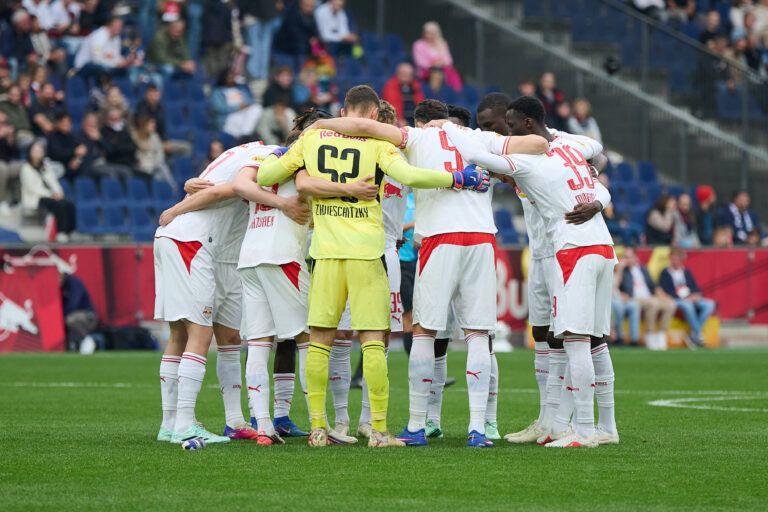
Despite the start of the European campaign, Röhl opted against major rotation. Compared with the 1-1 draw away to SV Ried, the Salzburg coach made just one change: Tim Drexler replaced Valentin Zabransky in central defence. The rest of the side remained unchanged.
Abubakr Barry and Bartosz Mazurek once again formed the central midfield pairing, with Edmund Baidoo, Sota Kitano and Yorbe Vertessen supporting lone striker Tabakovic. Levski also lined up in a 4-2-3-1, although the hosts were without the injured Akram Bouras in midfield.
Salzburg tried to put Levski’s build-up under pressure from the opening minutes. The Bulgarian side, however, repeatedly found ways through the first pressing line and looked to progress quickly down the flanks. That produced a relatively even opening spell, although the hosts struggled to turn those attacks into clear-cut chances.
Tabakovic rewards Salzburg’s best spell
After a somewhat disjointed start, Salzburg gradually brought more structure to their attacking play. The visitors began to find spaces between Levski’s midfield and defence and managed to involve Tabakovic more frequently around the penalty area.
The striker had Salzburg’s first major chance after 23 minutes. Tabakovic was released inside the box following a quick attack but was denied by Svetoslav Vutsov, who reacted sharply to prevent the opener.
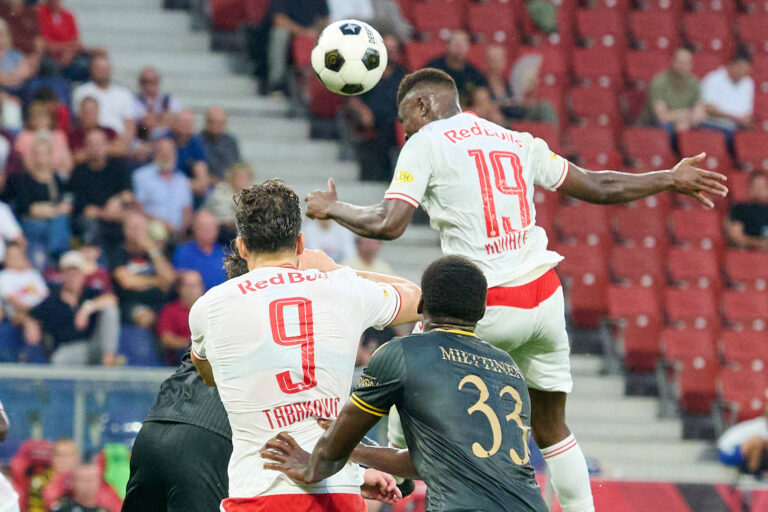
In the 39th minute, however, the Levski goalkeeper was beaten. Mazurek initiated the move with an accurate pass to Vertessen, whose cross took an unfortunate deflection off Kristian Dimitrov and fell kindly for Tabakovic. From close range, the striker made no mistake and put Salzburg 1-0 ahead.
The goal also changed the nature of the contest. Salzburg no longer needed to force the game with the same urgency and focused more on protecting the central areas. Levski began to see more of the ball higher up the pitch, but they found no response before half-time.
Levski increase the pressure after the break
The hosts returned from the dressing room with noticeably greater intent. Levski pushed their full-backs higher, tried to establish themselves in Salzburg’s half earlier and generally took more risks.
The first dangerous moment of the second half still belonged to Salzburg. A mistake from Vutsov presented Kitano with a good opportunity, but the goalkeeper recovered to deny him. Soon afterwards, Vertessen also went close to doubling the lead, only to be stopped by the Levski keeper.
Vutsov was a major reason why the game remained alive until the closing stages. Several strong saves prevented Salzburg from making better use of the spaces that opened up as Levski committed more players forward.
At the other end, the Bulgarians increasingly worked their way towards the Salzburg box. Levski finished with 14 attempts, slightly more than the visitors. Very few of those situations were played out cleanly, however. Many efforts were blocked early or sent wide.
Salzburg defend their penalty area with discipline
Salzburg had to do considerably more defensive work in the second half. Levski targeted second balls more aggressively, delivered more crosses into the box and committed additional players around the penalty area in search of an equaliser.
The Salzburg defence remained largely composed. Kévin Boma won several important duels, while Drexler and his defensive partners dealt with numerous deliveries before they became truly dangerous. Despite Levski’s growing pressure, Christian Zawieschitzky did not have to make a single save.
That was one of the key differences between the sides. Levski generated plenty of activity around the penalty area but struggled to turn it into threatening finishes. Salzburg were not always comfortable defensively, but they remained alert and well organised.
The xG figures reflect that balance. Salzburg finished on 1.39 xG, compared with Levski’s 1.01. The gap was far from substantial, but it shows that the visitors created the slightly better chances despite taking fewer shots. At the same time, Levski’s figure explains why Salzburg were never able to simply manage the closing stages without concern.
Vutsov keeps Levski in the game
As Levski pushed for an equaliser, Salzburg increasingly found room to counter. The visitors reached dangerous positions several more times but failed to find the second goal that would have settled the contest.
Vutsov played a major role in keeping the hosts alive. The Levski goalkeeper made six saves in total and repeatedly denied Salzburg the chance to pull clear. His stops from Kitano and Vertessen in particular were crucial.
Mazurek was another important figure for Salzburg during this phase. The midfielder brought structure to the game with his secure passing, won numerous direct duels and helped break up Levski attacks before they reached the penalty area. His involvement in the decisive goal was therefore only one part of a highly assured performance.
Levski committed even more men forward in the closing stages and introduced Juan Perea and Mazire Soula to add attacking impetus. Salzburg were pushed deep into their own half but never lost their defensive shape decisively.
Salzburg leave Sofia with all three points
In the end, Salzburg claimed a narrow but deserved away victory. They were not in control for the entire 90 minutes, but they adapted well to the different phases of the match and defended their lead with discipline.
The three points are especially valuable at the start of the league phase. Salzburg had to work hard against an awkward opponent, found the decisive moment before half-time and then resisted a much more aggressive Levski side after the break.
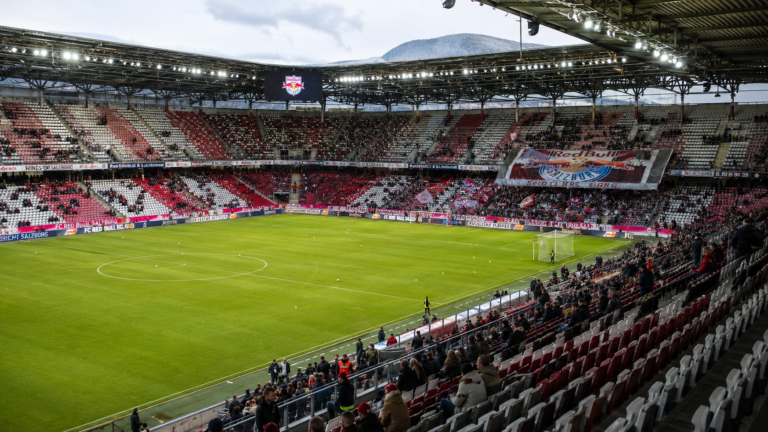
Salzburg return to Bundesliga action on Sunday with a home game against Sturm Graz. Their next Europa League fixture follows on October 15, when AC Milan visit the Red Bull Arena.