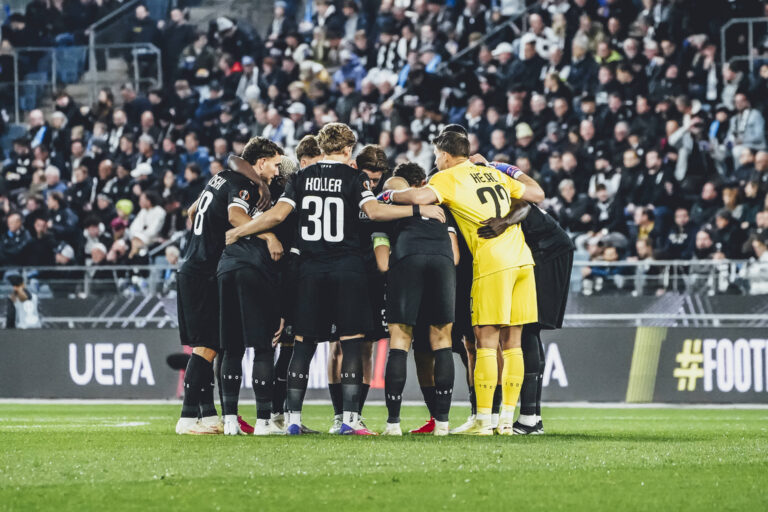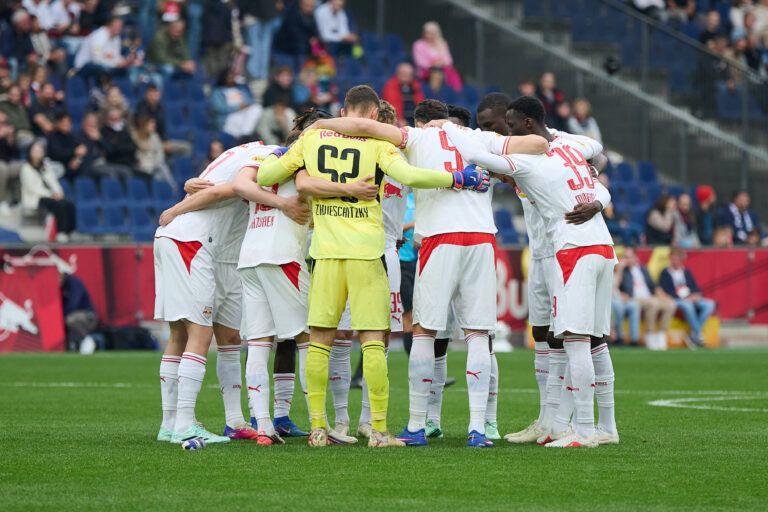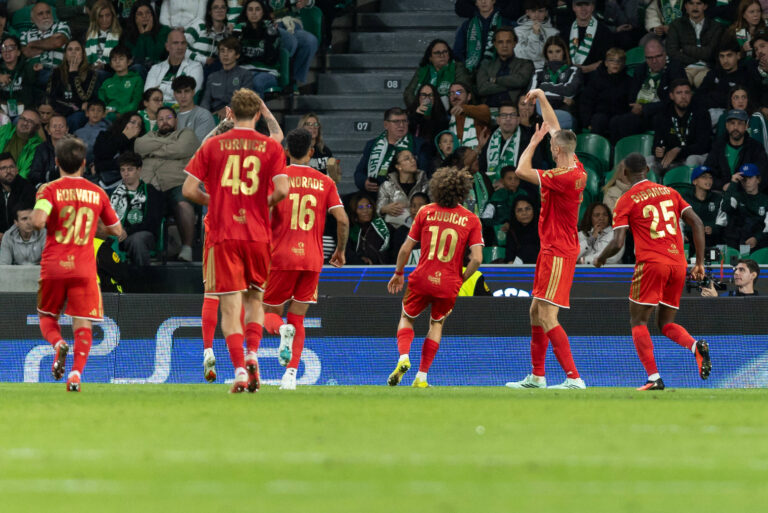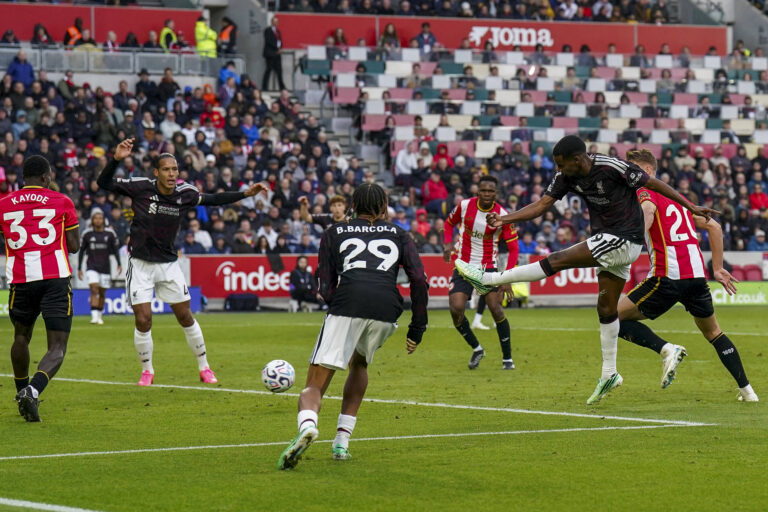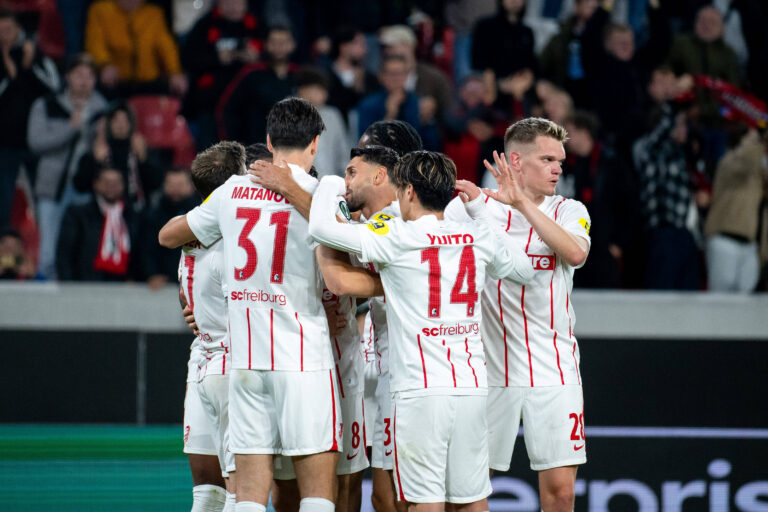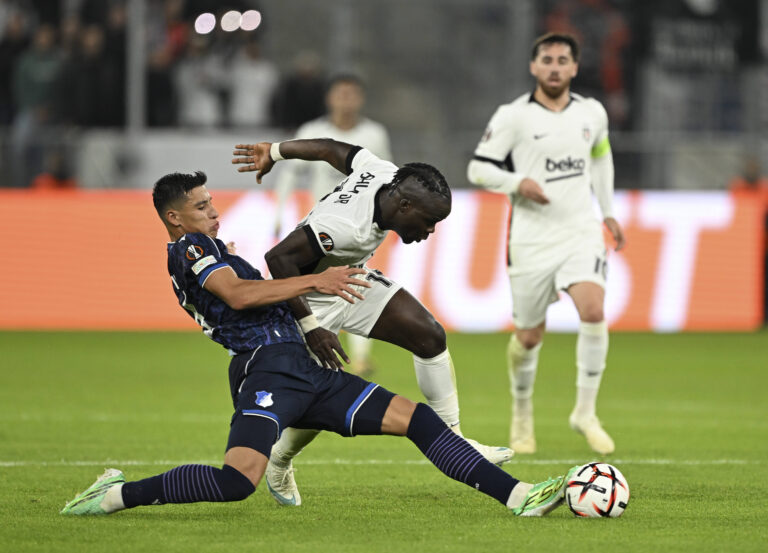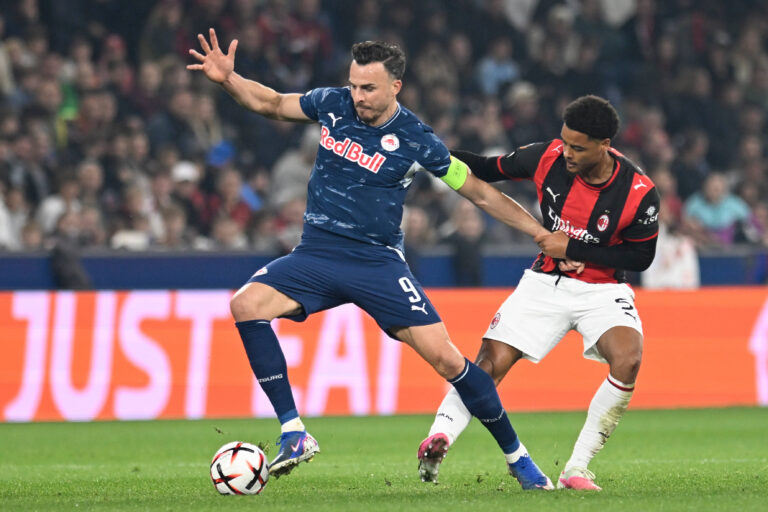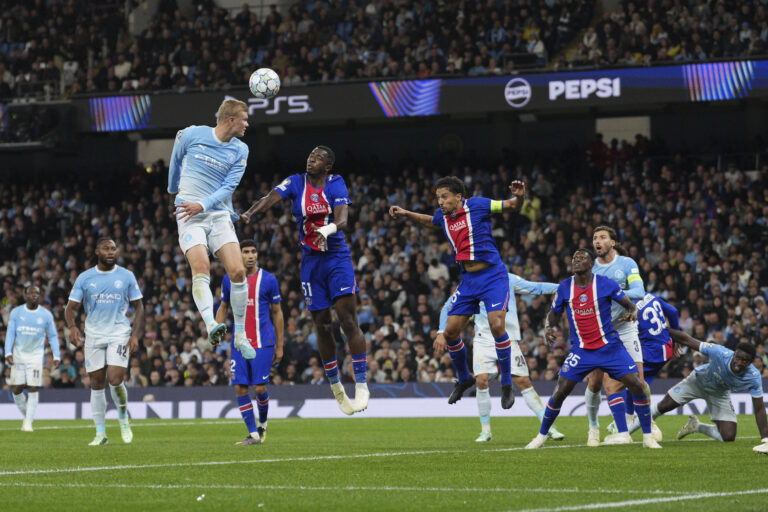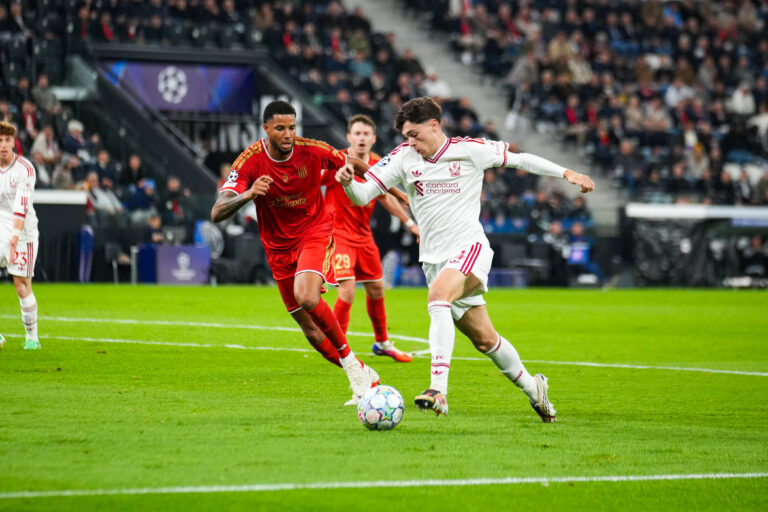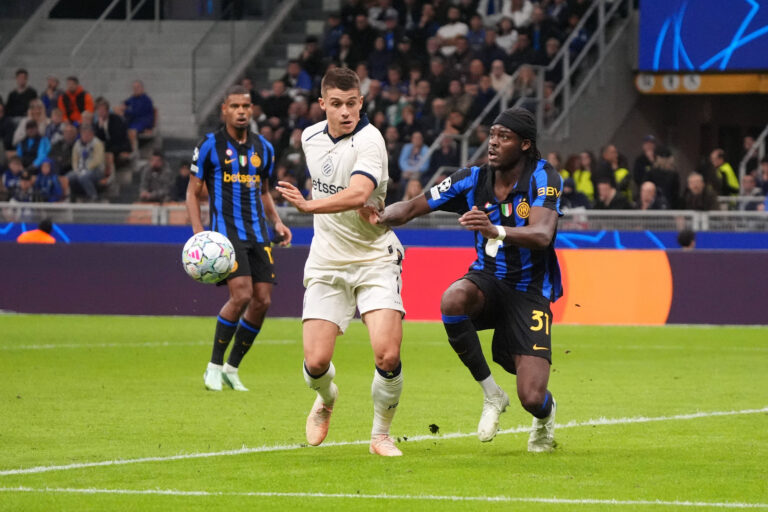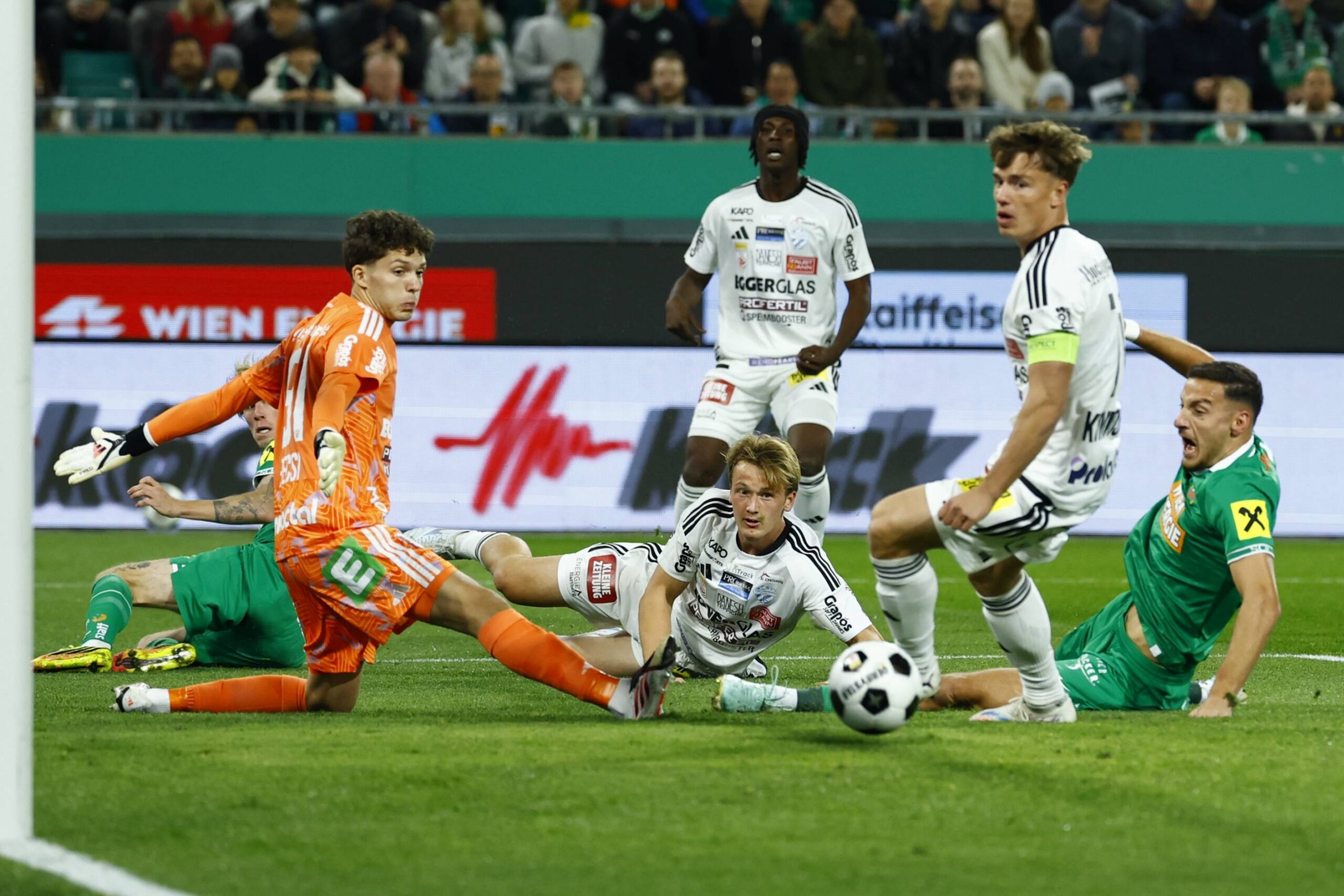
The Vienna side produced a technically accomplished and well-structured performance for long spells, although they were made to work hard by a tactically disciplined opponent. Hartberg’s organised pressing and compact shape made it particularly difficult for Rapid to progress into dangerous areas of the pitch.
Rapid impress in possession as Hartberg execute their game plan
Johannes Hoff Thorup’s side demonstrated from the outset why they currently lead the Bundesliga. Rapid played with confidence in possession, repeatedly found solutions under pressure and showed considerable composure when building attacks. The connections between the centre-backs, the double pivot and the attacking midfielders worked particularly well for much of the contest.
Hartberg, however, proved to be an intriguing and demanding opponent. Markus Schopp had prepared his team thoroughly for Rapid’s technical strengths. Rather than pressing recklessly, the visitors maintained a compact shape, with carefully coordinated distances between their lines.
Central passing lanes were frequently blocked. Rapid were able to circulate possession confidently but struggled to establish a sustained presence further up the pitch. Much of their play consequently took place in the defensive and middle thirds, despite their clear technical superiority.
This was less a reflection of Rapid’s shortcomings than a testament to Hartberg’s pressing strategy. The visitors stepped forward aggressively at the right moments while simultaneously attempting to cut off the passing routes into Rapid’s attacking players. The spaces between Hartberg’s midfield and defensive lines were particularly difficult to exploit.
Nevertheless, Rapid regularly found ways through. They rarely resorted to aimless clearances under pressure and displayed impressive composure on the ball. What was occasionally missing was the ability to turn successful build-up play into sustained attacking pressure around the opposition penalty area.
Early breakthrough and a fortunate escape
Rapid were rewarded for their positive start in the sixth minute. Bendegúz Bolla advanced down the right and delivered a low ball into the penalty area, where Petter Nosa Dahl finished from close range to make it 1-0.
The early advantage naturally suited the hosts. Rapid could continue playing their preferred game while Hartberg were forced to take slightly greater risks. The visitors, however, were far from discouraged.
In the 15th minute, Marco Hoffmann appeared to have equalised, only for the goal to be ruled out following a VAR review because Magnus Dalpiaz had been marginally offside in the build-up.
It was a potentially decisive moment. An immediate equaliser would not necessarily have altered the balance of play, but it could certainly have changed the complexion and momentum of the match. Instead, Rapid retained their lead and continued to impose their passing game.
Hartberg demonstrated the threat posed by their approach during this spell. After winning possession, the visitors repeatedly found opportunities to trouble Rapid’s defence. Youba Diarra forced Niklas Hedl into a save before striking the post with another long-range effort.
The Styrian side were therefore anything but passengers. Despite Rapid’s technical superiority, Hartberg’s disciplined organisation and purposeful attacks created several dangerous moments.
Rapid’s combination play makes the difference
One of the most striking features of Rapid’s performance was the quality they produced whenever they managed to bypass Hartberg’s first two lines of pressure.
Yusuf Demir impressed with his close control and awareness of space between the lines. Tonni Adamsen provided valuable passing options and linked the attacking moves, while Ercan Kara occupied the opposition centre-backs and repeatedly brought his teammates into play.
The second goal, scored shortly before half-time, was the clearest illustration. A long clearance from Hedl sparked an excellent passing move involving Demir and Adamsen. Kara then unselfishly squared the ball for Dahl, who completed his brace in stoppage time to make it 2-0.
The move highlighted why Rapid are proving so difficult to defend against. Their attacking strength is not simply a collection of talented individuals; there is also an increasingly sophisticated understanding of one another’s movements.
The timing of the goal was equally significant. Hartberg had enjoyed several threatening spells and could reasonably have gone into the interval on level terms. Instead, Rapid held a two-goal advantage.
That swing in momentum would prove important. Although Rapid had impressed with their football, they also benefited from the key moments falling in their favour.
Hartberg step up the pressure, but Rapid remain dangerous
Schopp made two substitutions at half-time, and one of the newcomers, Oliver Lukic, made an immediate impact. His precise cross was headed home by Dalpiaz in the 49th minute, reducing the deficit to 2-1.
The goal gave the visitors renewed impetus. Hartberg grew bolder, committed more players forward and increasingly forced Rapid to defend deeper in their own half.
During this period, the hosts found it harder to move their passing combinations into advanced areas. Hartberg’s compact positioning and aggressive forward pressing made controlled progression increasingly difficult.
However, the visitors’ greater attacking presence did not necessarily translate into a succession of clear-cut chances. Hartberg registered 14 shots compared with Rapid’s nine, but ten of their efforts came from outside the penalty area.
The expected goals figures, 1.40 to 0.96 in Rapid’s favour, underline how the hosts created better shooting opportunities despite attempting fewer efforts.
Rapid did not need to spend prolonged periods around Hartberg’s penalty area to pose a threat. Whenever they managed to disrupt the visitors’ defensive organisation, danger often followed immediately.
Demir provides the spark as Horn seals the win
Hoff Thorup introduced fresh attacking options in Moulaye Haïdara, Marco Tilio and Claudy Mbuyi. Tilio, in particular, added energy and directness, narrowly missing the target after a pass from Demir in the 72nd minute.
The decisive moment arrived in the 81st minute. Demir unleashed a well-struck effort from distance that hit the post, and Jannes Horn reacted quickest to the rebound to restore Rapid’s two-goal cushion.
Demir was once again among Rapid’s standout performers. His technical ability and creativity are especially valuable against opponents who defend in compact formations. The attacking midfielder has the capacity to unlock spaces with a single moment of inspiration after they have remained closed for much of the game.
Dahl also maintained his excellent form with two goals. The Norwegian impressed not only with his finishing but also with his intelligent movement into the penalty area.
Rapid strengthen their grip on top spot
An eighth victory in nine Bundesliga matches temporarily extended Rapid’s lead over Red Bull Salzburg to six points. The Vienna club once again demonstrated that their position at the summit is thoroughly deserved.
Against Hartberg, they impressed with their composure in possession, the quality of their passing combinations and a mature overall display against a tactically demanding opponent.
The principal area for improvement remains their ability to turn territorial control in deeper areas into a more consistent presence further up the pitch. Rapid frequently played their way out of Hartberg’s pressing traps but too often remained in relatively deep positions afterwards.
Hartberg’s well-coordinated pressing and compact defensive organisation made this a genuinely challenging assignment, which only adds to the merit of Rapid’s performance. At the same time, the hosts benefited from crucial moments going their way, particularly the disallowed equaliser and Dahl’s second goal just before the interval.
Ultimately, it was a deserved victory that offered further evidence of Rapid’s development under Hoff Thorup. Their combination of structured possession, individual attacking quality and an ability to make decisive moments count currently sets the standard in the Austrian Bundesliga.