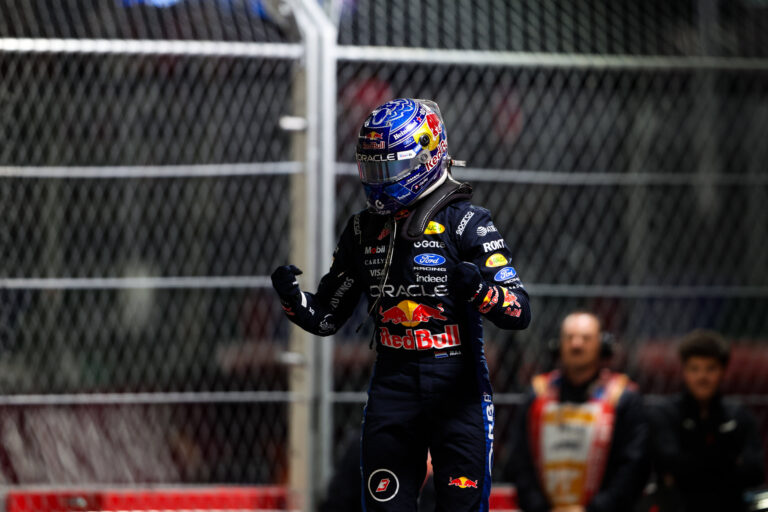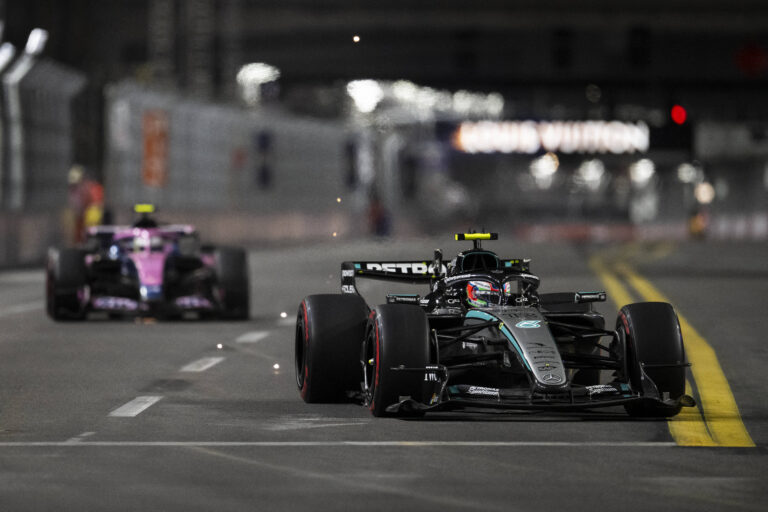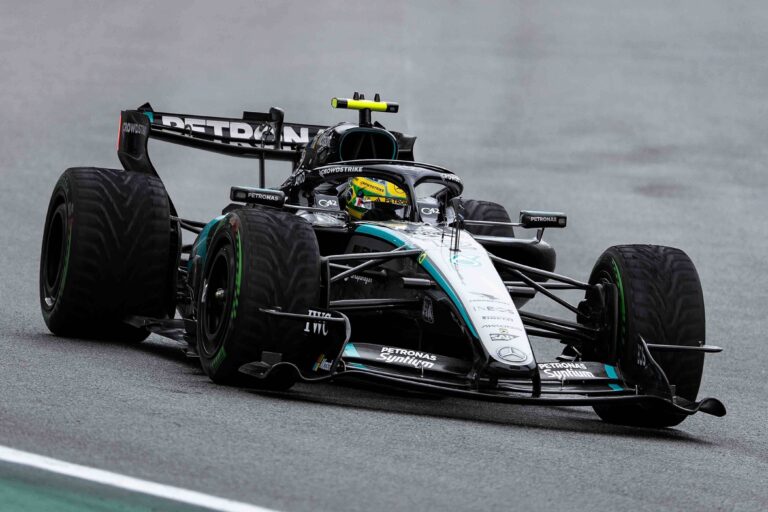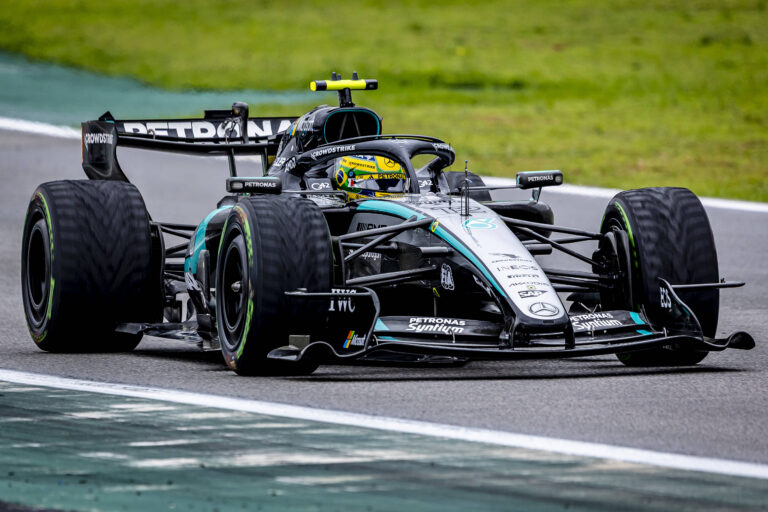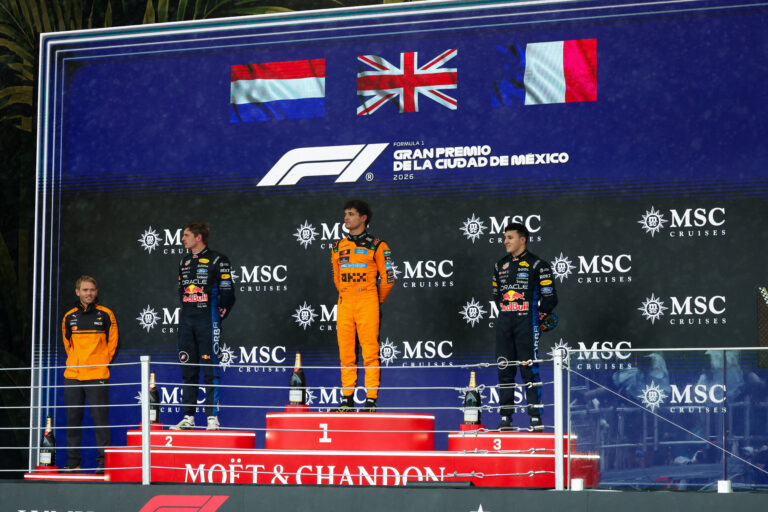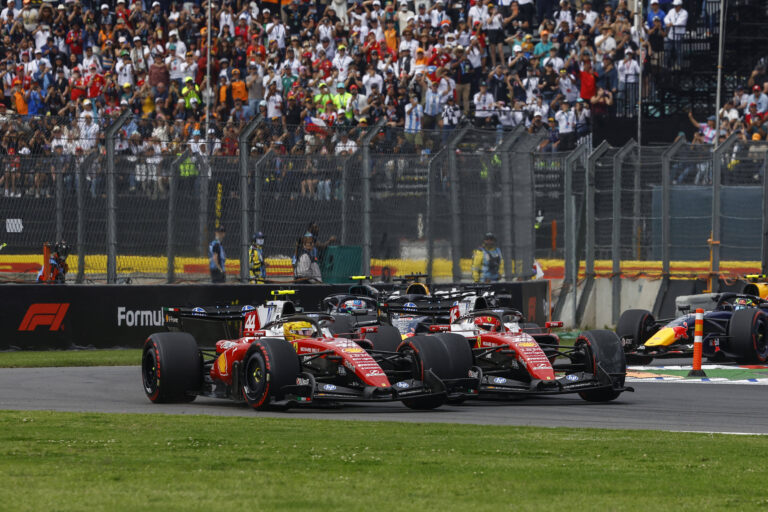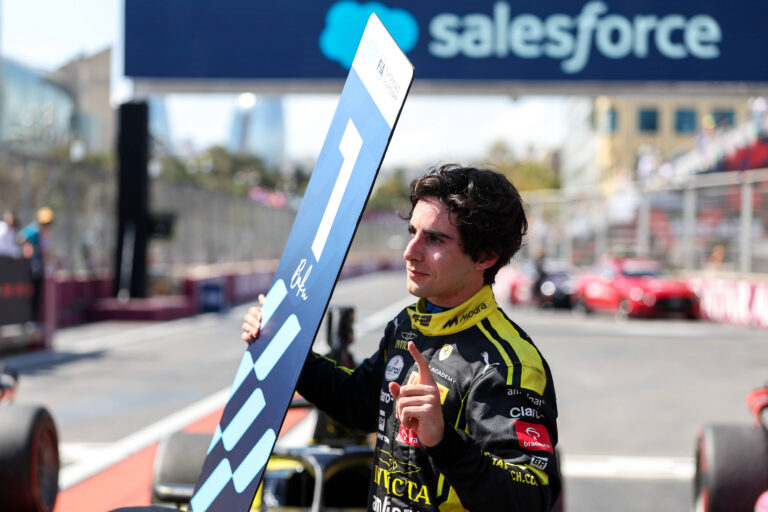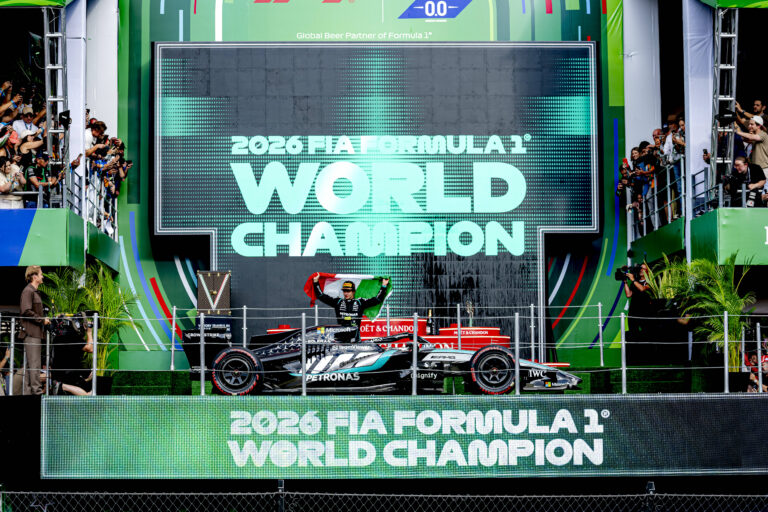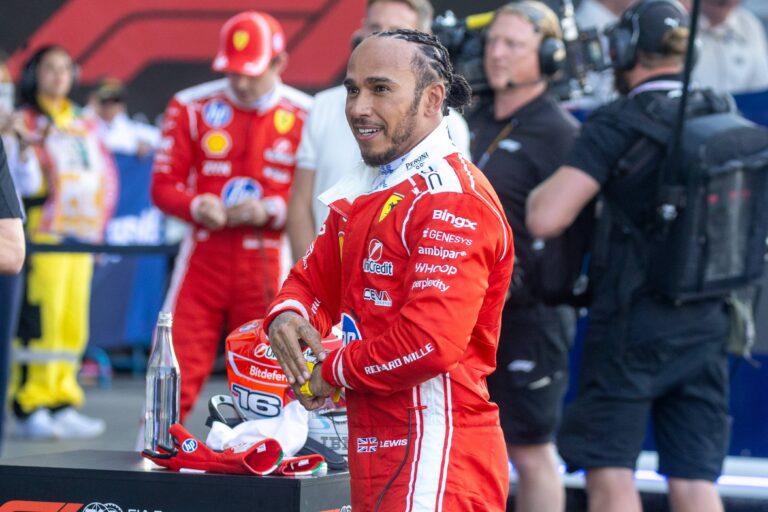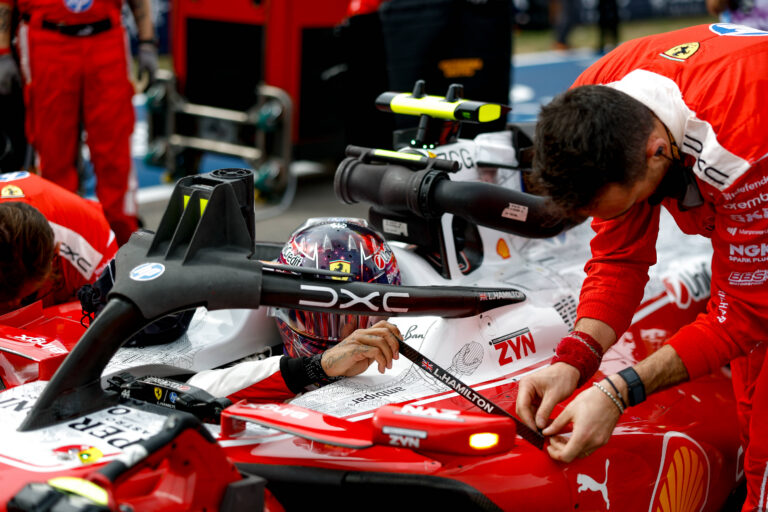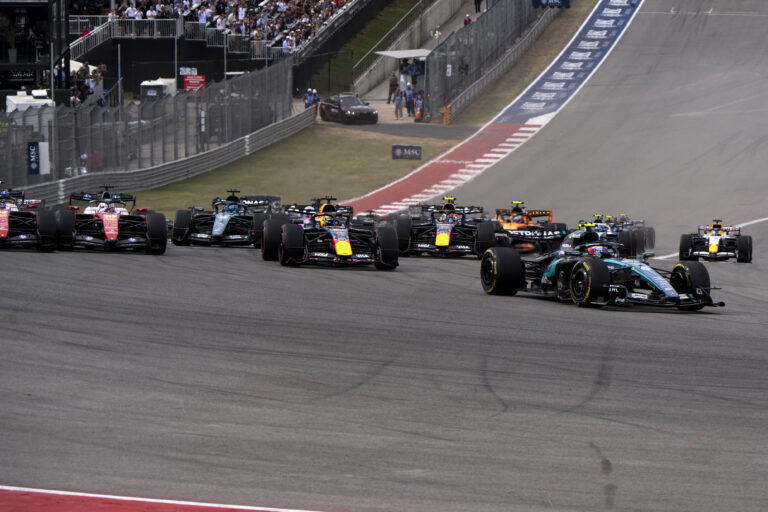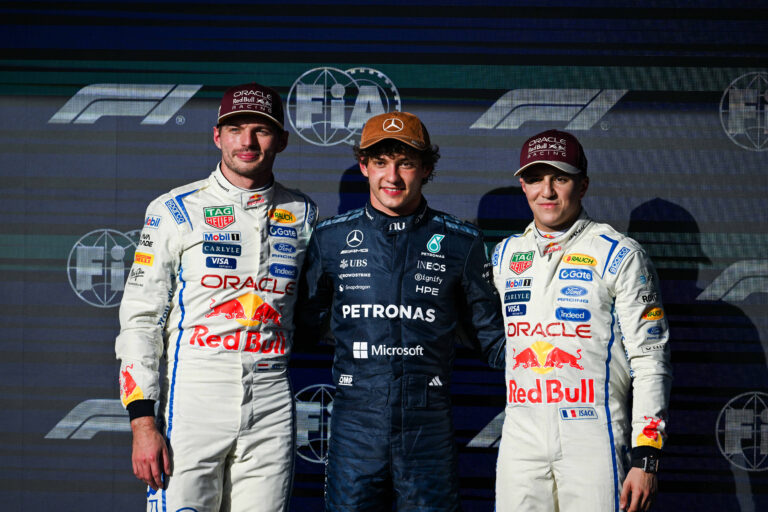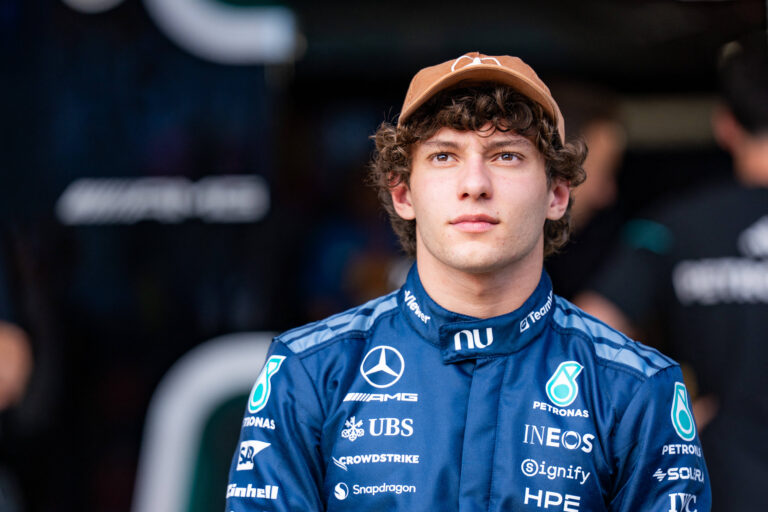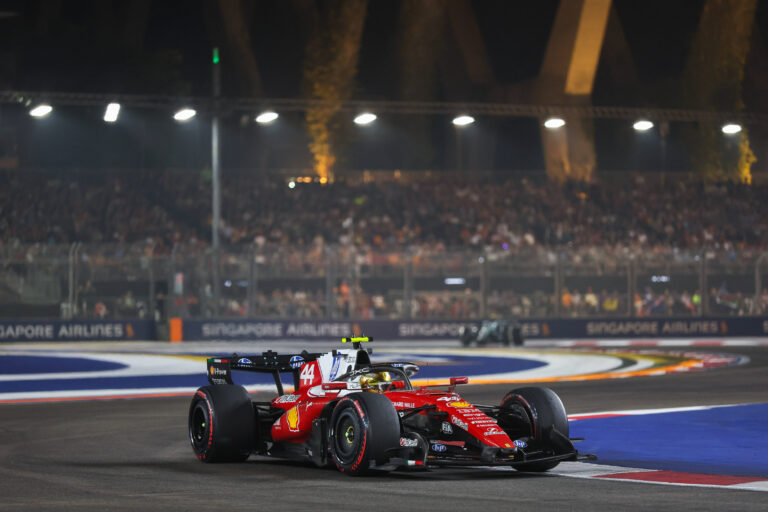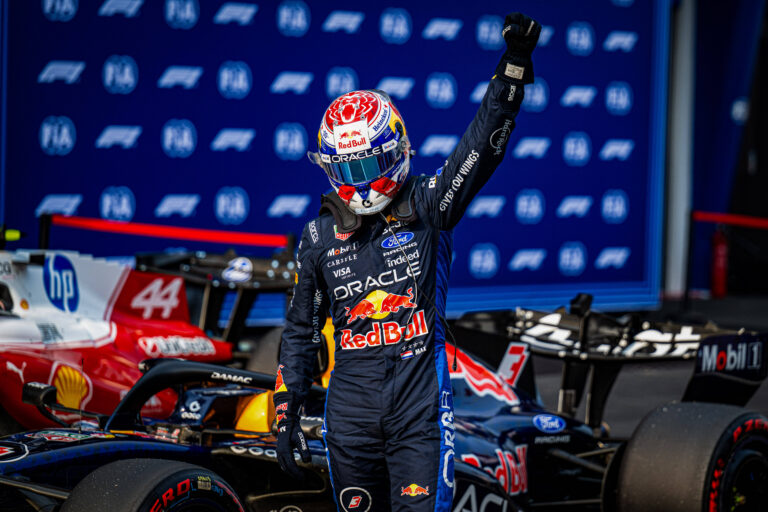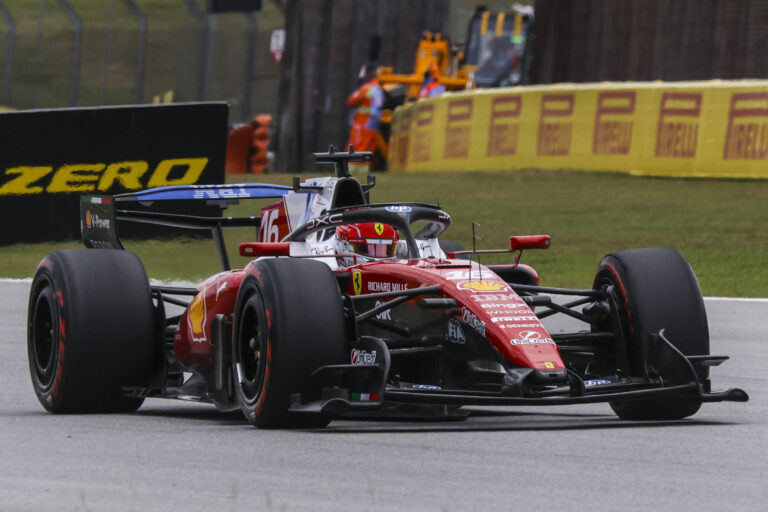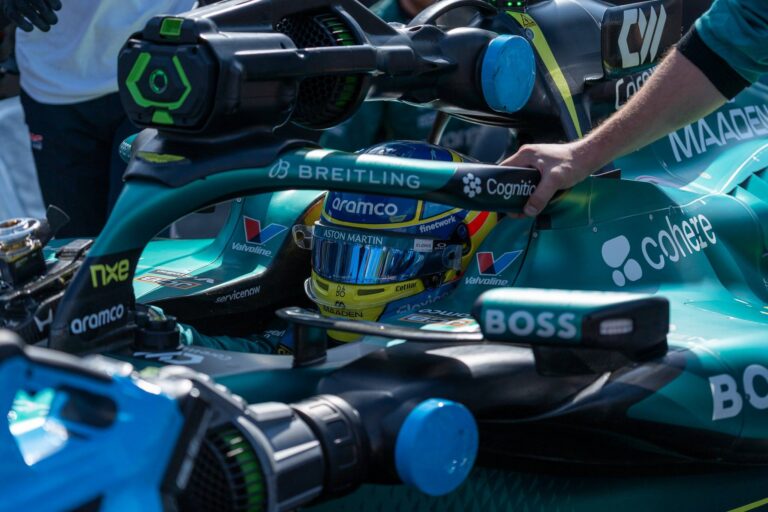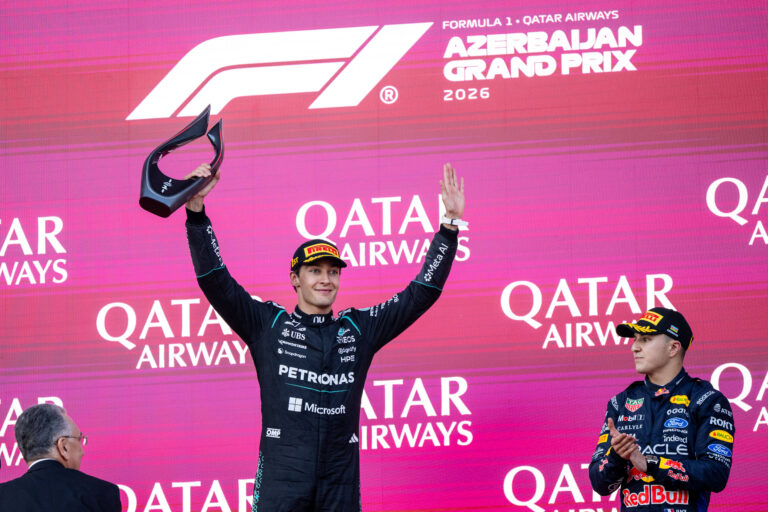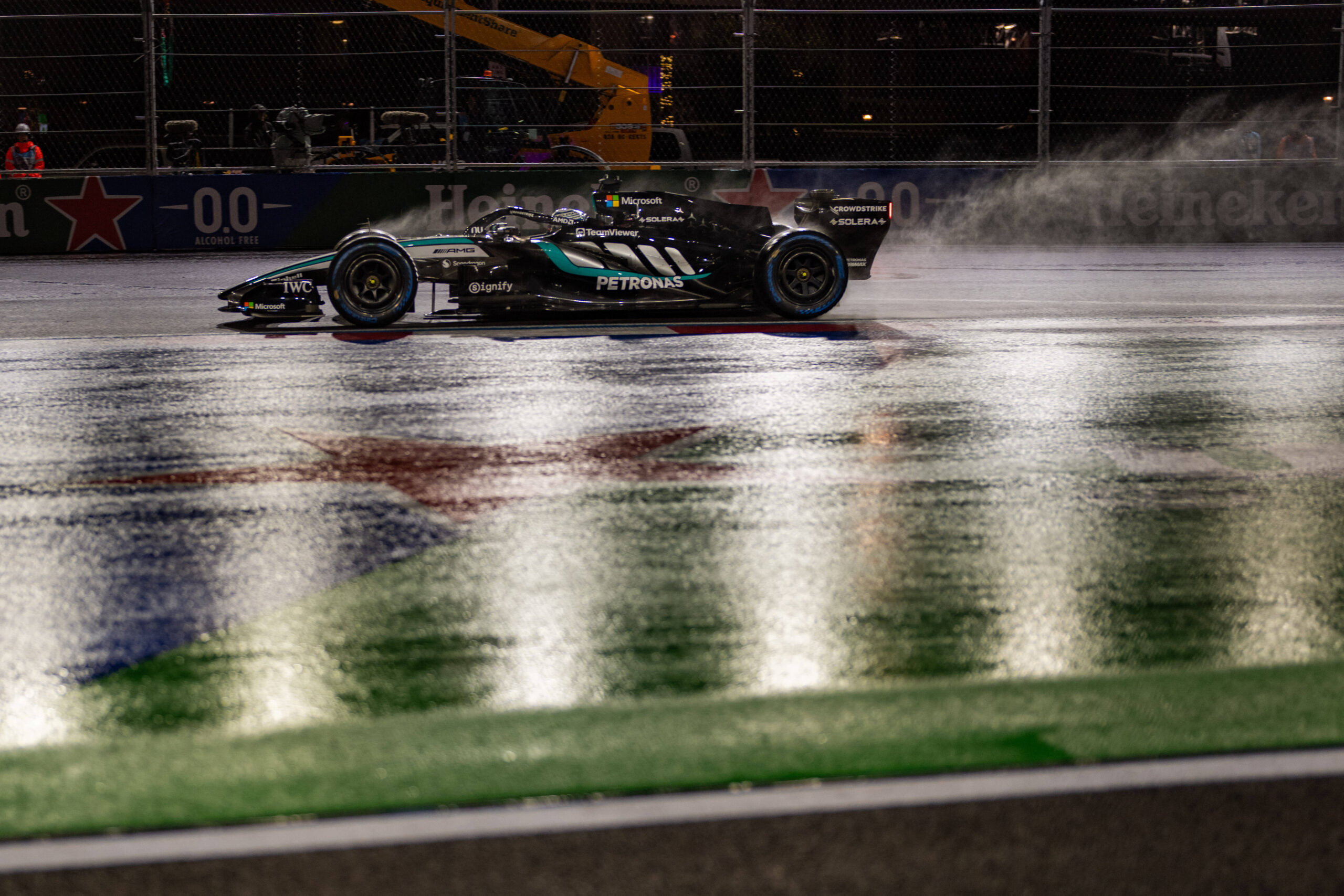
As Formula 1 heads into the 21st round of the season, the teams face plenty of unanswered questions. The opening practice sessions at the Las Vegas Strip Circuit provided little useful data for fine-tuning their cars, while changes to power unit components will shake up the starting grid. Although Kimi Antonelli has already secured the drivers’ world championship and Mercedes have claimed the constructors’ title, the battle for the remaining championship positions is far from over.
Russell fastest as Verstappen struggles
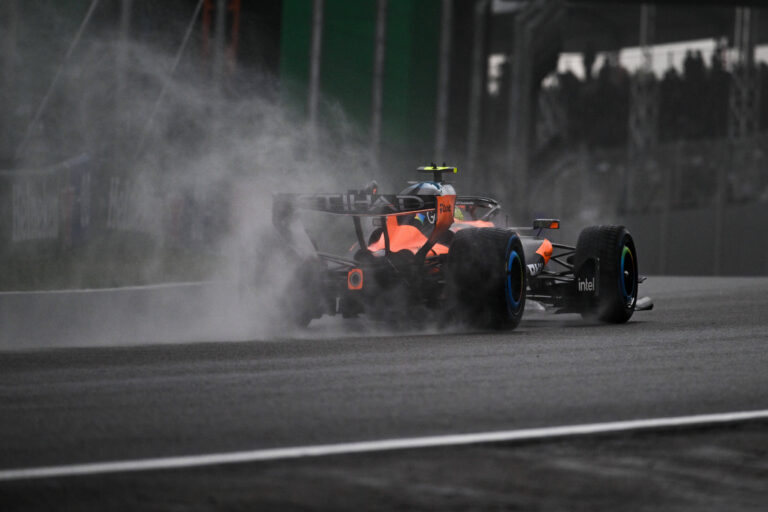
The Las Vegas weekend got off to a thoroughly wet start. Rain and an extremely slippery track prevented any driver from setting a timed lap in the opening practice session. Most completed only a handful of installation laps before returning to the pits.
The second session also began on a wet track. Conditions gradually improved, however, with lap times falling as the circuit dried. George Russell took advantage to set the fastest time of 1:47.272. Pierre Gasly delivered a surprise second place for Alpine, finishing just 0.071 seconds behind, while Ferrari’s Charles Leclerc was third, 0.333 seconds off the pace.
Isack Hadjar followed in fourth for Red Bull, ahead of McLaren’s Oscar Piastri. World champion Antonelli finished eighth, while Max Verstappen struggled to get going. The Dutchman reported a lack of power and completed just one timed lap, leaving him 13th.
Russell was quick to play down the significance of his fastest lap. He felt McLaren and Ferrari had looked particularly competitive at various stages and acknowledged that he had benefited from completing his run when track conditions were at their best. With nobody having run on slick tyres, the results offer little reliable indication of the true competitive order.
Five grid penalties shake up the field
Even before qualifying begins, five drivers are guaranteed to lose places on the starting grid because of changes to power unit components.
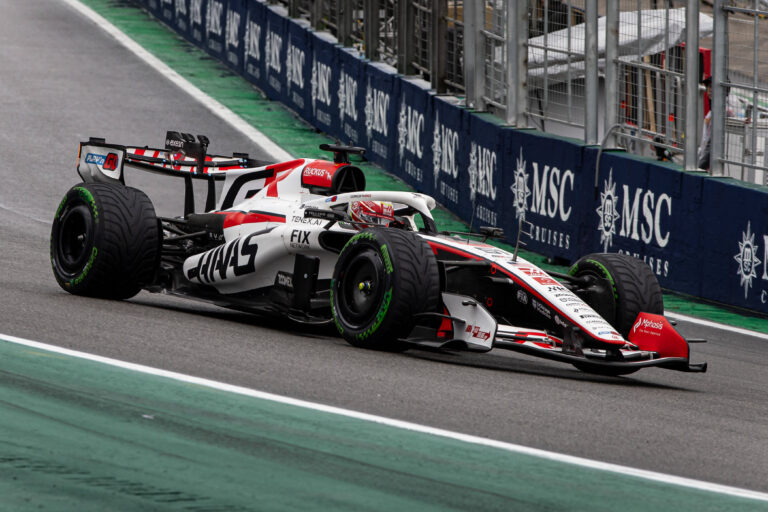
The newly crowned world champion is among those affected. Antonelli will receive a new internal combustion engine, among other components, and faces a five-place grid penalty. Oscar Piastri, Carlos Sainz and Lance Stroll will each drop ten places, while Haas driver Oliver Bearman must start from the back of the grid following extensive changes to his power unit.
The long straights should provide plenty of overtaking opportunities, but the penalties could still have a significant impact on the race. Fighting through traffic can be particularly costly at a circuit where managing tyre temperatures is already a major challenge.
Why Las Vegas demands a delicate set-up compromise
The Las Vegas Strip Circuit measures 6.201 kilometres and features 17 corners. The race covers 50 laps, giving a total distance of just under 310 kilometres. Three long straights define the layout, including the approximately 1.9-kilometre stretch along the famous Las Vegas Strip.
Teams need to minimise drag without sacrificing too much downforce for the slow corners and heavy braking zones. Braking for Turn 7 is particularly demanding, with a locked front wheel potentially costing drivers a considerable amount of time.
The new technical regulations add another layer of complexity. Active aerodynamics allow drivers to activate Straight Mode on three designated sections of the circuit, reducing drag by adjusting the wings. An additional Overtake Mode provides extra electrical power to help drivers pass their rivals.
As a result, outright top speed is only part of the equation. Efficient energy management is equally important, with the long flat-out sections placing considerable demands on the deployment and recovery of electrical energy.
Tyre strategy: could graining become a major problem again?
Tyres remain the biggest unknown. Pirelli have selected the C3, C4 and C5 compounds for the weekend, with the C3 serving as the hard tyre, the C4 as the medium and the C5 as the soft.
The low night-time temperatures make it difficult to bring the tyres into their optimal operating window. The relatively low-grip street circuit also increases the risk of graining, a phenomenon in which small rolls of rubber form on the tyre surface, reducing grip and slowing lap times.
Previous races illustrate just how much of a difference this can make. Severe graining forced many drivers into two-stop strategies in 2024, while a single stop was generally sufficient in 2025.
Pirelli again consider a one-stop strategy the most likely quickest option. However, the rain-affected practice sessions have deprived teams of meaningful long-run data on slick tyres. Fresh rubber can also cool rapidly along the lengthy straights, potentially reducing the effectiveness of the traditional undercut, where an earlier pit stop is intended to gain time on a rival.
Verstappen, Mercedes or Ferrari: who will come out on top?
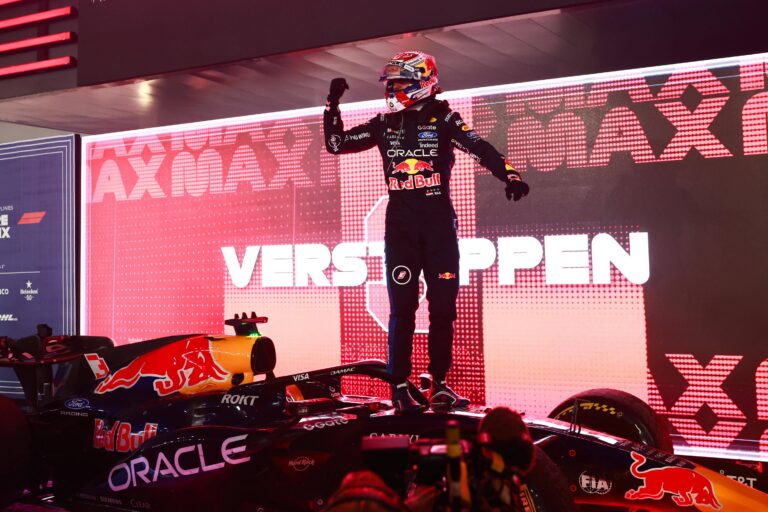
Max Verstappen won the Las Vegas Grand Prix in both 2023 and 2025, while Russell claimed victory in 2024. Despite his practice difficulties, the Dutchman should therefore not be written off.
Verstappen sits second in the drivers’ standings with 279 points. Russell follows on 262, just one point ahead of Lewis Hamilton on 261. Charles Leclerc (249) and Lando Norris (246) also remain within striking distance. The fight for the runner-up spot in the championship could consequently go down to the final race.
Mercedes can draw confidence from their strong season overall, while Ferrari and McLaren showed encouraging pace during the second practice session. Ultimately, the team that manages to get its tyres working most effectively in dry conditions could hold the advantage in both qualifying and the race.
The Grand Prix takes place on Saturday night in Las Vegas, meaning an early Sunday morning start for European viewers. Two further races are scheduled to follow, in Qatar on 29 November and Abu Dhabi on 6 December. Despite the tense security situation in the Middle East, Formula 1 currently intends to proceed with both events.