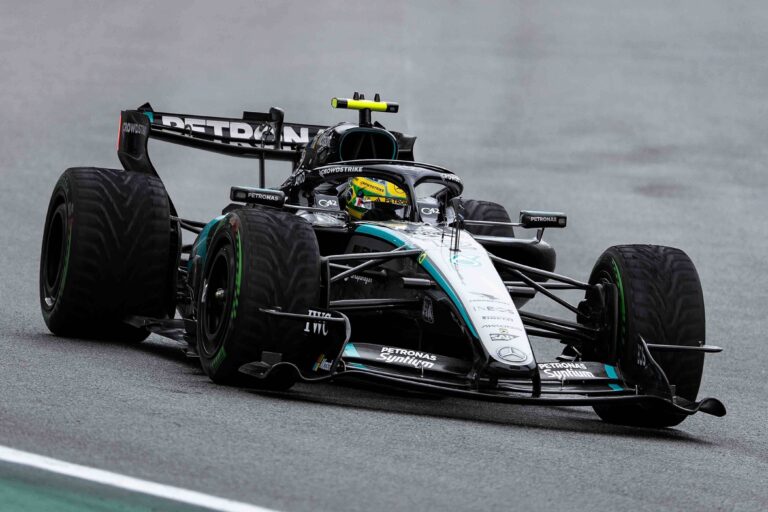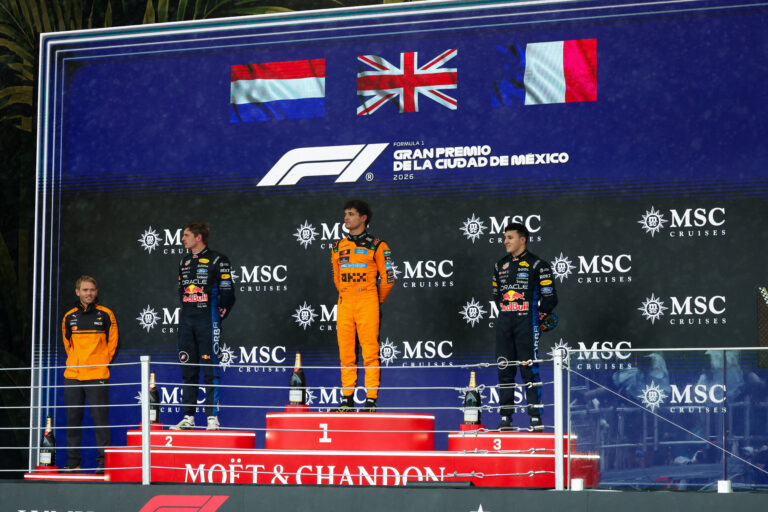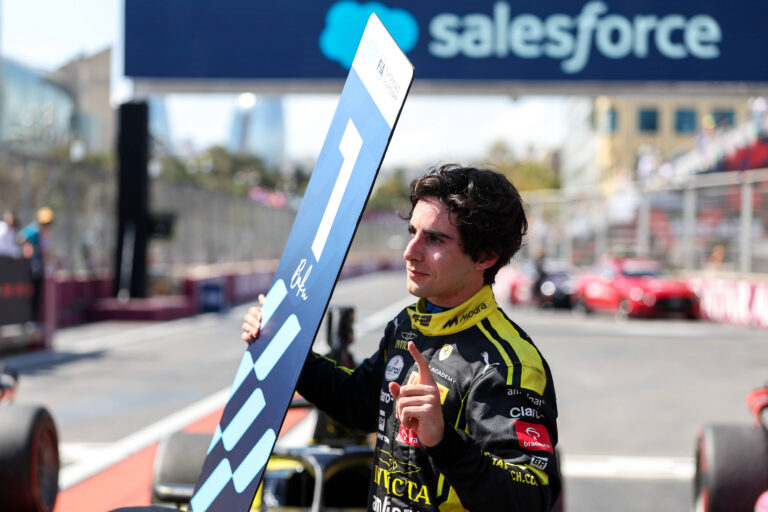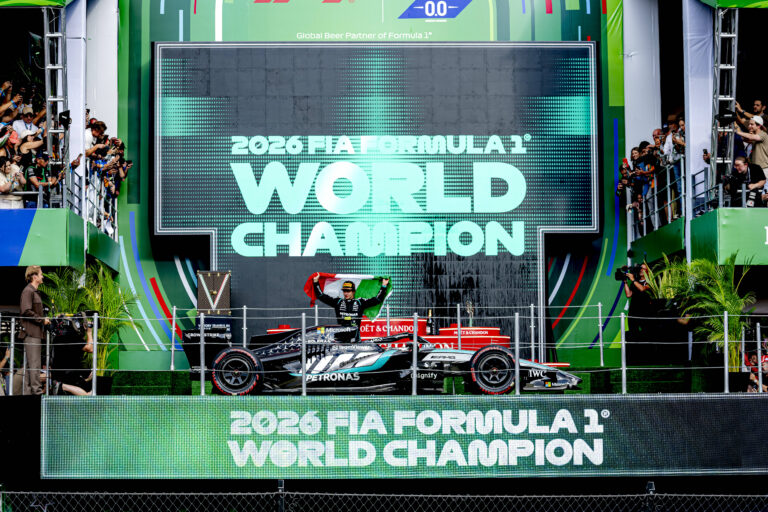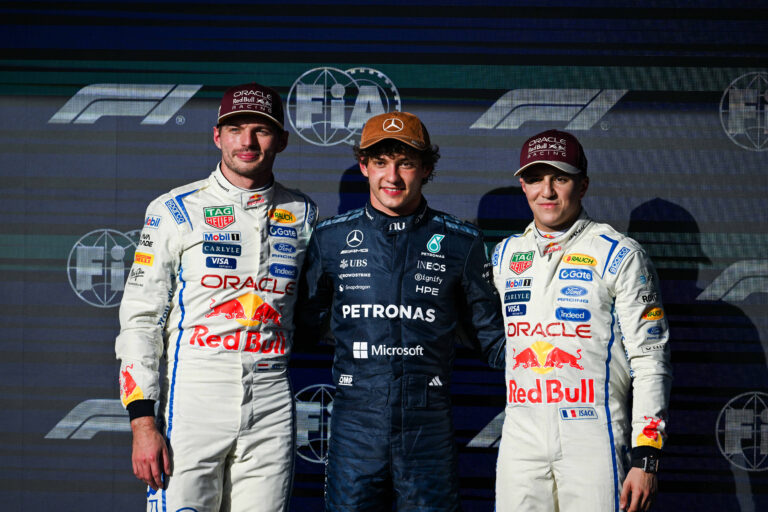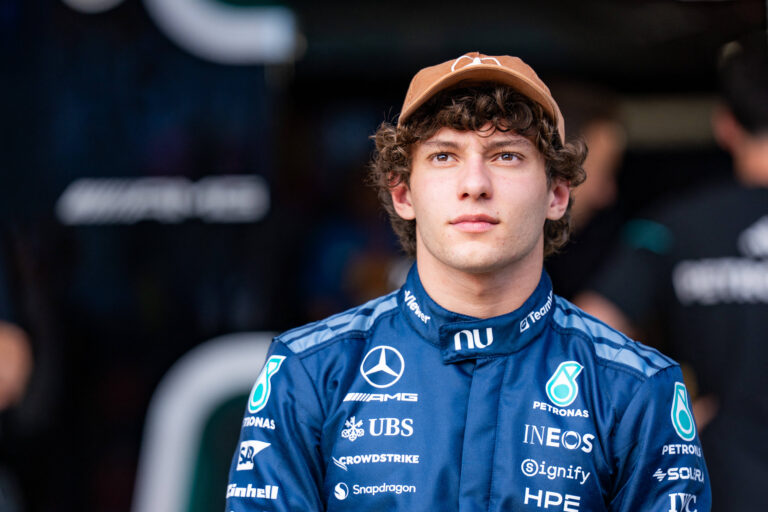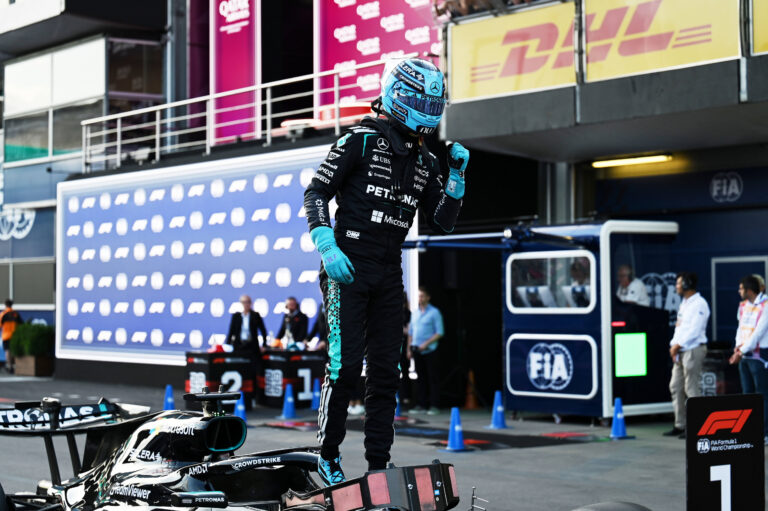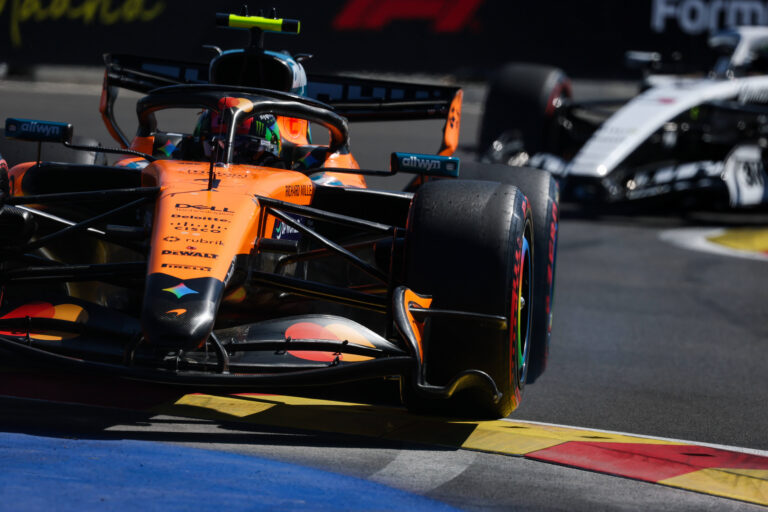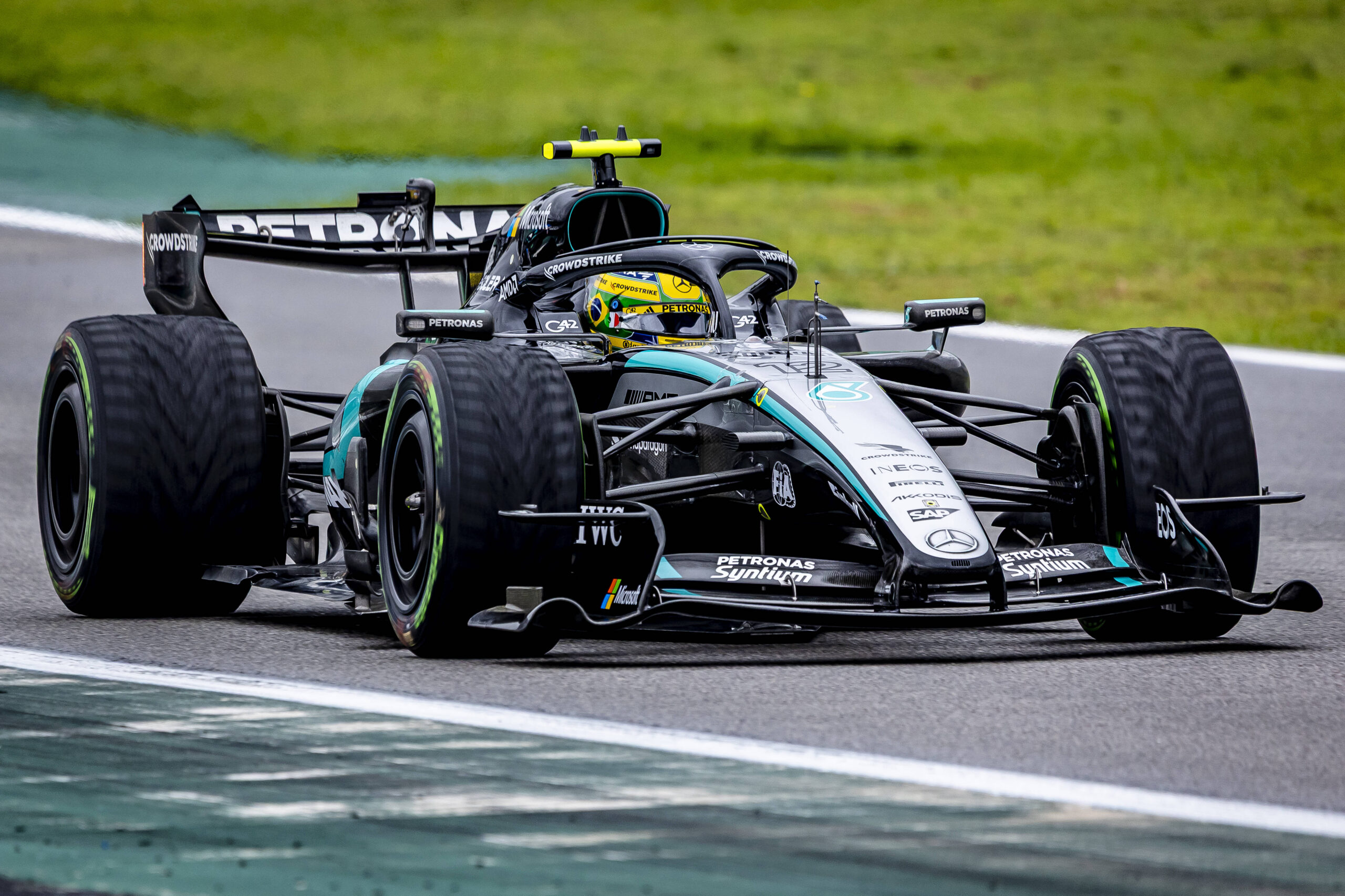
For the first time since 2020, Mercedes have won both Formula 1 world championships in the same season. One week after Kimi Antonelli secured the drivers’ title, the team wrapped up the constructors’ crown in Brazil. Fourth and fifth places for George Russell and Antonelli were enough to seal the championship. It is Mercedes’ ninth constructors’ title, drawing them level with Williams. Only Ferrari, with 16, and McLaren, with ten, have won more.
A 140-point lead puts the title beyond reach
After 20 of the season’s 23 Grands Prix, Mercedes lead the Constructors’ Championship with 652 points. Ferrari trail by 140 on 512, followed by Red Bull (415) and McLaren (398). With just three races remaining and a maximum of 129 points still available, Mercedes can no longer be caught.
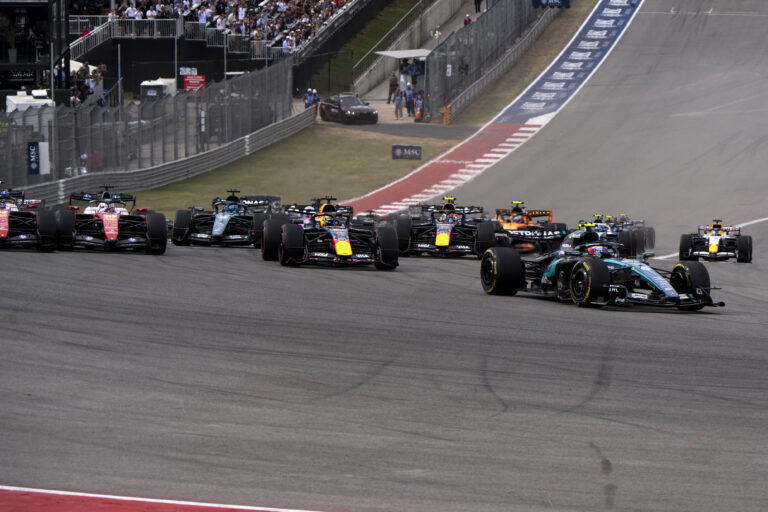
Their record this season reflects their dominance: twelve victories in 20 Grands Prix, twelve pole positions and 24 podium finishes. They have also claimed four sprint race wins.
Mercedes laid the foundations for their success at the very start of the campaign, winning the opening six Grands Prix. After Russell took victory in Australia, Antonelli went on a remarkable run of five consecutive wins. The Italian triumphed in China, Japan and Monaco, among other races, establishing an early advantage in the championship battle.
Antonelli has contributed nine Grand Prix victories so far, with Russell adding three. The 20-year-old Italian had already become the youngest world champion in Formula 1 history at the previous race in Mexico.
How the 2026 regulations helped Mercedes regain their dominance
The title ends an unusually long championship drought for Mercedes. Between 2014 and 2021, the team won eight consecutive constructors’ championships, setting a Formula 1 record.
However, the introduction of ground-effect cars in 2022 brought that era of dominance to an end. Mercedes initially struggled with a troublesome car concept and spent several seasons trying to close the gap to Red Bull and, later, McLaren.
The sweeping regulation changes for 2026 offered a fresh start. The new W17 was designed around a radically revised technical framework. This generation of cars is smaller and lighter, features active aerodynamics and uses hybrid power units in which the combustion engine and electrical system deliver roughly equal shares of the power.
Mercedes succeeded in bringing those elements together into a highly competitive package. Engine performance alone was not the decisive factor; the key was the combination of power unit efficiency, aerodynamics and drivability.
The team’s engine division in Brixworth also played a major role. Remarkably, Mercedes power units have now powered the constructors’ champions for three consecutive seasons. McLaren won the title with Mercedes engines in both 2024 and 2025, before the works team reclaimed the crown this year.
Wolff pays tribute to the team’s 2,500 employees
Team principal Toto Wolff expressed particular pride in how Mercedes had responded to four challenging years. The Austrian reflected on a period marked by setbacks and repeated efforts to understand the shortcomings of the team’s cars.
Above all, Wolff highlighted the collective effort behind the championship. He stressed that the team’s stars were not just its two drivers, but also the approximately 2,500 employees who had contributed to its success.
Antonelli likewise praised the work carried out at the team’s factories in Brackley and Brixworth. Mercedes had already helped him fulfil his personal dream of becoming world champion, and together they had now secured a second title.
Russell also described the championship as a special achievement after four difficult seasons. Since joining Mercedes in 2022, he had hoped to compete regularly for world titles.
The victory carries historical significance for Wolff himself. With nine constructors’ championships as team principal, he has drawn level with Frank Williams. Add the eight drivers’ titles won under his leadership, and Wolff has now overseen 17 world championships in total — matching the tally of former McLaren team principal Ron Dennis.
Wolff already looking ahead to 2027
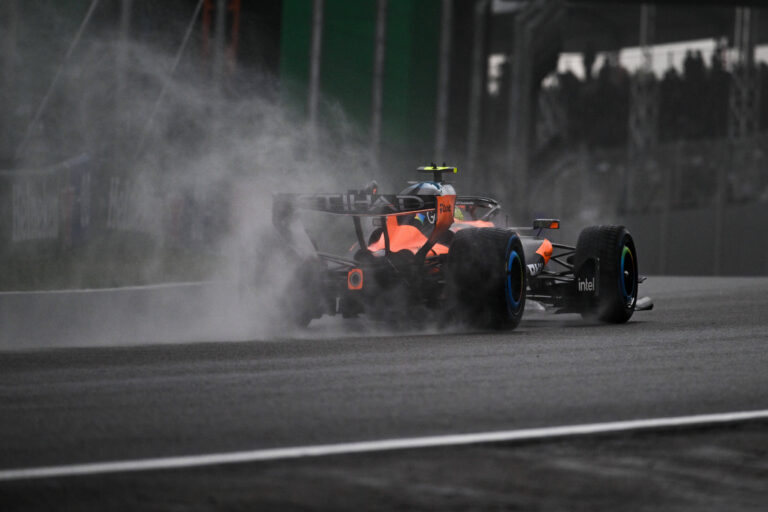
Despite the celebrations in Brazil, Wolff was already turning his attention to the future. Mercedes failed to reach the podium in São Paulo for the first time in several races, with both drivers making mistakes in difficult conditions.
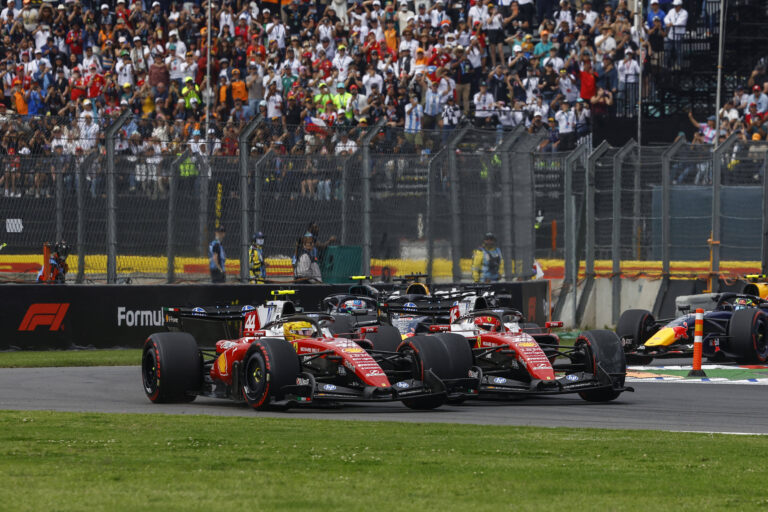
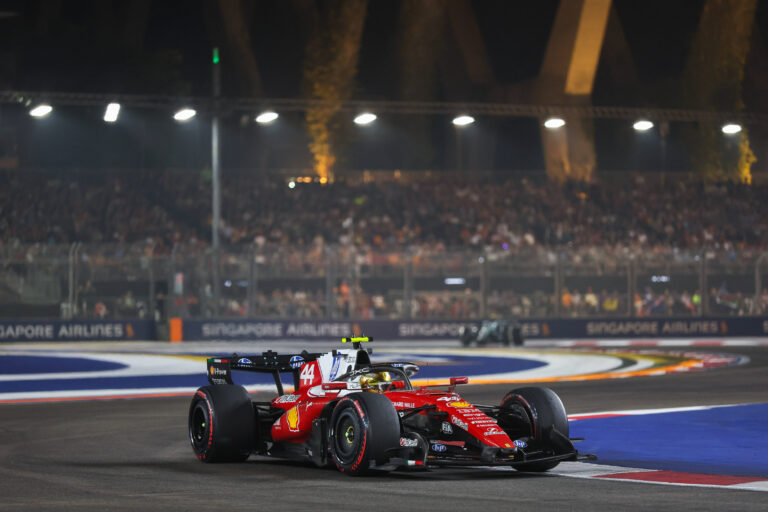
Their rivals have also narrowed the gap. Ferrari outscored Mercedes across the four races preceding Brazil, while Red Bull won three of those four Grands Prix.
Wolff therefore does not expect another eight-year championship-winning streak. He anticipates three or four serious contenders for the world titles in 2027.
The Silver Arrows have reclaimed their place at the top of Formula 1. Whether this triumph marks the beginning of another era of dominance will become clear over the coming seasons.