Arsenal FC won the Premier League title in 2025/26, while Liverpool at least secured Champions League qualification with a fifth-place finish. The Reds then lost three experienced first-team players in Mohamed Salah, Andy Robertson and Ibrahima Konaté on free transfers, while Curtis Jones also left the club.
At the same time, Liverpool spent around £250 million on new signings over the summer. That money was not spread evenly across the squad. The main focus was on adding pace out wide and strengthening at centre-back. By contrast, the club opted not to sign either a new holding midfielder or another full-back.
More pace for Iraola’s vertical football
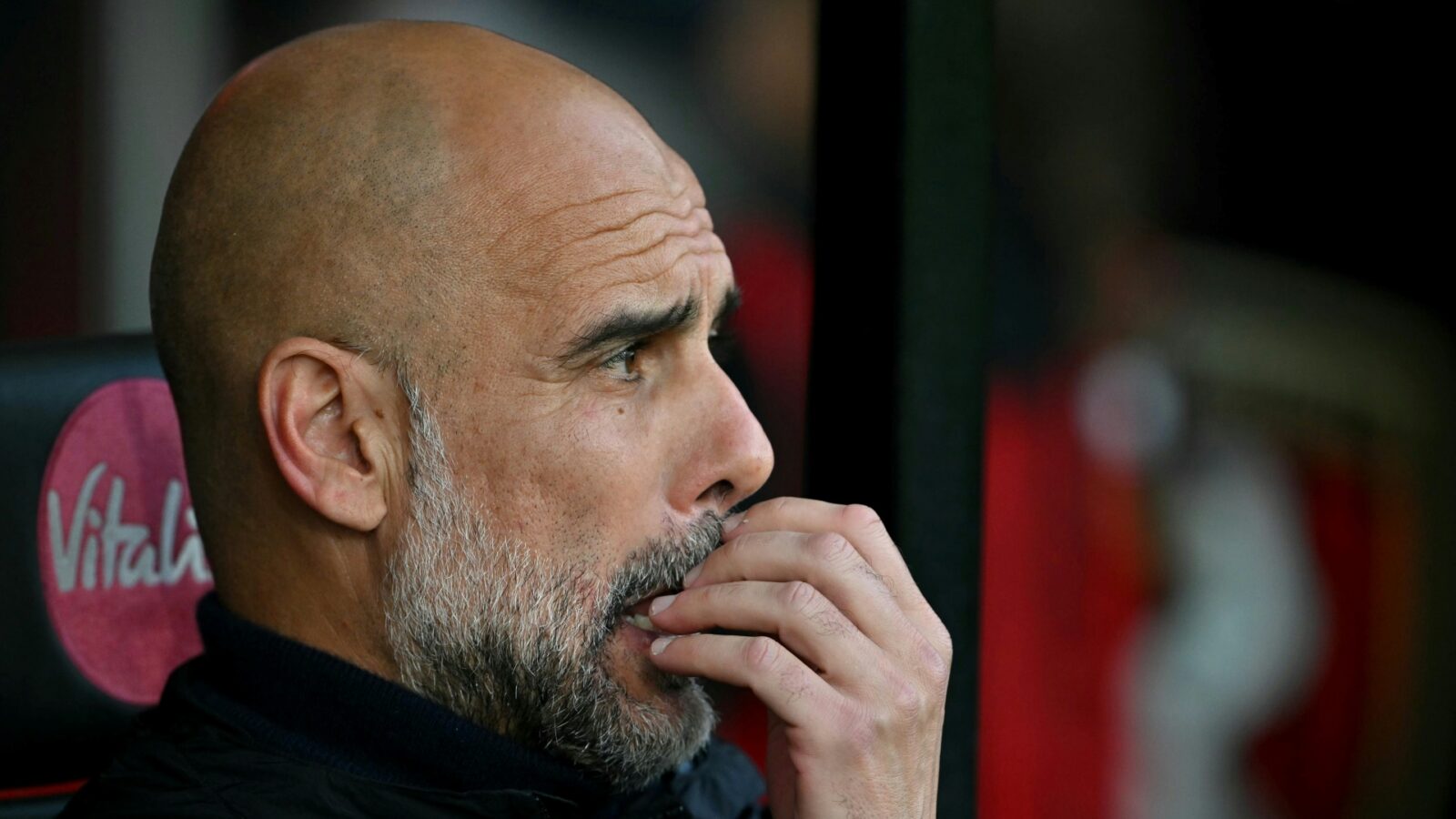
Those priorities fit neatly with Iraola’s vision. Upon taking charge, the former Bournemouth manager spoke of wanting an intense, aggressive and, above all, vertical team. Liverpool are expected to move the ball forward quickly, particularly when space opens up following a turnover.
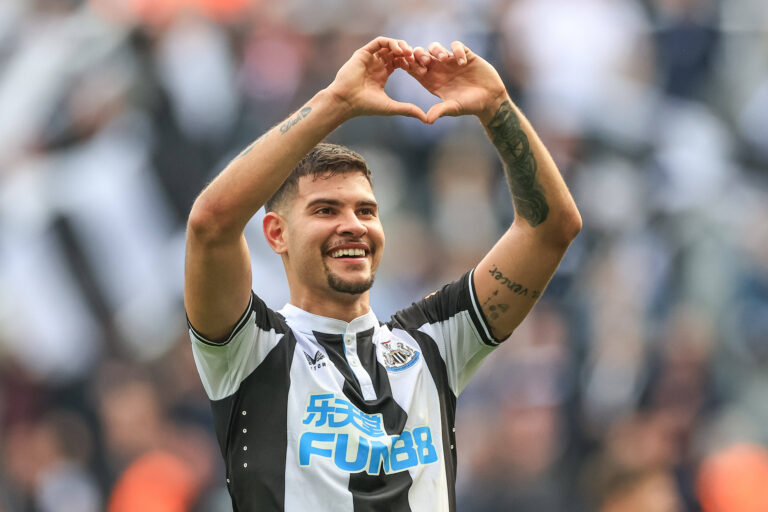
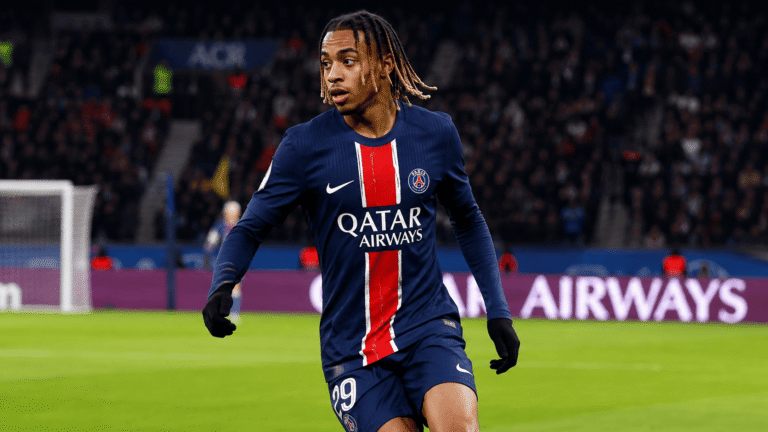
The signings of Bradley Barcola and Víctor Muñoz make particular sense in that context. We have already taken an in-depth look at Barcola’s individual qualities. From a wider tactical perspective, however, the key point is that Iraola can now field players on both wings who do not simply want the ball to feet but consistently threaten the space in behind.
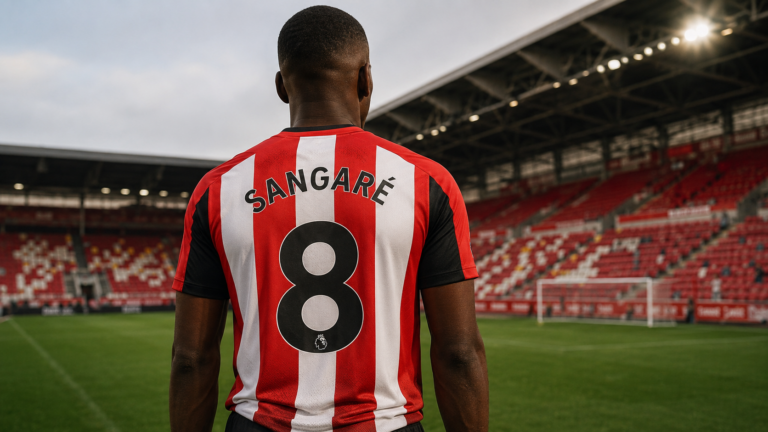
Muñoz scored seven goals and provided five assists in his final season at Osasuna. Iraola already knew the Spaniard from La Liga and values both his pace and his willingness to work without the ball. Two of Liverpool’s expensive signings from the previous summer are expected to benefit in particular: Florian Wirtz and Alexander Isak.
Wirtz is primarily earmarked for the No 10 role under Iraola. When Barcola and Muñoz stretch an opposition back line with their runs or force it deeper, spaces can open between midfield and defence – precisely the areas in which the Germany international is at his most dangerous. At the same time, Isak does not have to provide all of Liverpool’s depth himself. The Swede can drop towards the ball and link play while team-mates attack the space behind the defence.
Pressing becomes part of the attack
Liverpool’s focus on quick, energetic forwards also makes sense without the ball. Iraola’s pressing is not merely designed to stop opponents from building attacks in a controlled manner. Winning possession high up the pitch is itself a way of creating chances.
The first line of pressure therefore has to press repeatedly at high intensity. Iraola has already made it clear that he does not want his forwards conserving energy in order to last 90 minutes. He would rather make substitutions during the game after his attacking players have carried out the required pressing work consistently.
The rest of the team must push up behind them. The distances between attack, midfield and defence need to remain compact so that one beaten line of pressure does not immediately create large spaces. Centre-backs must therefore be prepared to step aggressively out of the defensive line and defend on the front foot.
That is also where the risk in Iraola’s approach becomes apparent. If an opponent manages to play through Liverpool’s press, considerable space can open up behind it.
Kerkez and Frimpong given greater freedom
The full-backs add another layer of dynamism. Milos Kerkez already knows Iraola’s football from their time together at AFC Bournemouth and confirmed during pre-season that he is once again able to operate much higher up the pitch.
Kerkez and Jeremie Frimpong can overlap on the outside but are also capable of attacking open spaces in the half-spaces. That means Barcola and Muñoz do not have to remain permanently pinned to the touchline. If the full-back goes around the outside, the winger can move towards the penalty area. If the winger holds the width, space can instead open for runs from deeper positions.
Liverpool can therefore commit several players forward on the same side and create overloads. Wirtz also gains more passing options around the edge of the penalty area. The trade-off is obvious: the more players involved in an attack, the more demanding the defensive cover becomes.
Why Liverpool did not sign a new No 6
That was precisely why Liverpool’s 2-2 draw at Newcastle United on the opening weekend prompted renewed debate over whether the club needed another defensive midfielder. Both goals Liverpool conceded came following transitions.
Iraola, however, does not necessarily believe the answer lies in signing a specialist. Behind Wirtz, Liverpool have Ryan Gravenberch, Dominik Szoboszlai, Alexis Mac Allister, Wataru Endo and Trey Nyoni among their options for the two central midfield positions.
More revealing is the flexible way Iraola wants Liverpool to organise their defensive cover. There does not necessarily have to be one midfielder permanently holding his position behind every attack. If Gravenberch, for example, makes an aggressive run forward, other players are expected to react and cover the space he has vacated.
For Iraola, the key issue is therefore less about rigid positional responsibilities and more about ensuring Liverpool still have sufficient protection behind the ball. There is no permanent player whose sole task is to sit in front of the defence. Who stays back, and how many players do so, depends on the situation and the opposition’s positioning. That requires a high level of coordination – and Liverpool have not yet executed it particularly well in their opening matches.
Jacquet and Araújo must defend big spaces
Liverpool’s additions at centre-back also fit those demands. Jérémy Jacquet has been brought in as a long-term part of the club’s defensive transition and even inherited Konaté’s No 5 shirt following his departure.
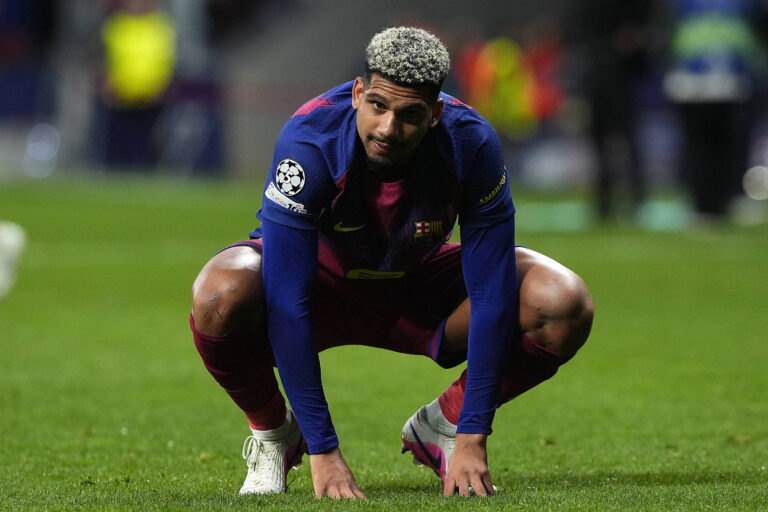
Ronald Araújo, by contrast, was added only after injury problems during pre-season left Liverpool short of defensive options. The Uruguay international, on loan from FC Barcelona, brings experience and physicality, while also being capable of playing both centrally and at right-back.
Liverpool’s centre-backs will regularly have to defend large spaces in Iraola’s system. The defensive line operates high up the pitch and the team in front of it is encouraged to defend aggressively on the front foot. If the press fails, substantial space can suddenly appear in behind.
Overall, Liverpool’s transfer decisions clearly reflect the ideas of their new head coach. The squad has been reshaped for quicker, more vertical and more aggressive football. Whether the rebuild succeeds, however, may depend less on whether the new-look attack provides enough threat and more on whether Liverpool can find the defensive balance Iraola’s ambitious approach demands.