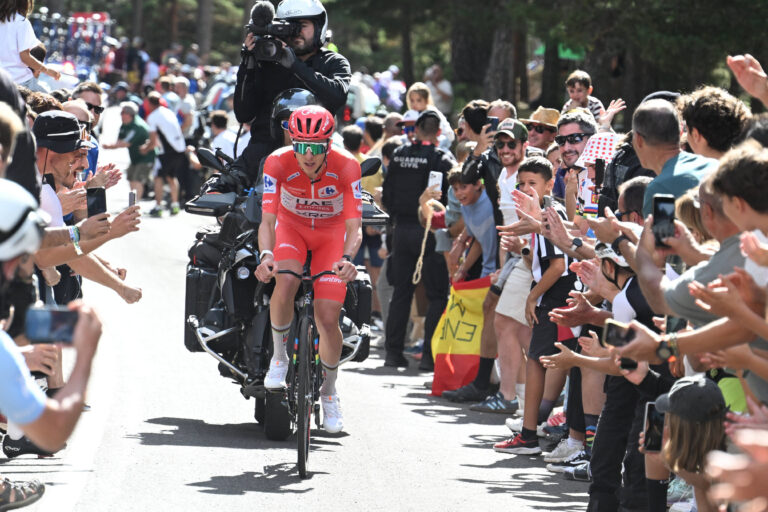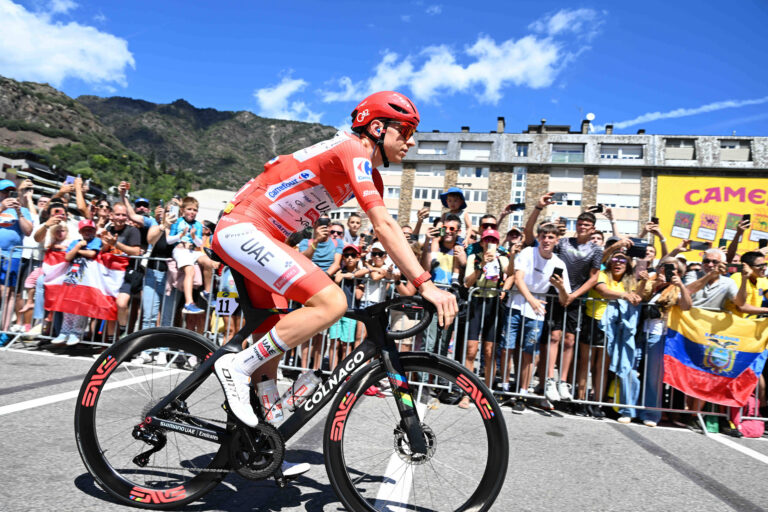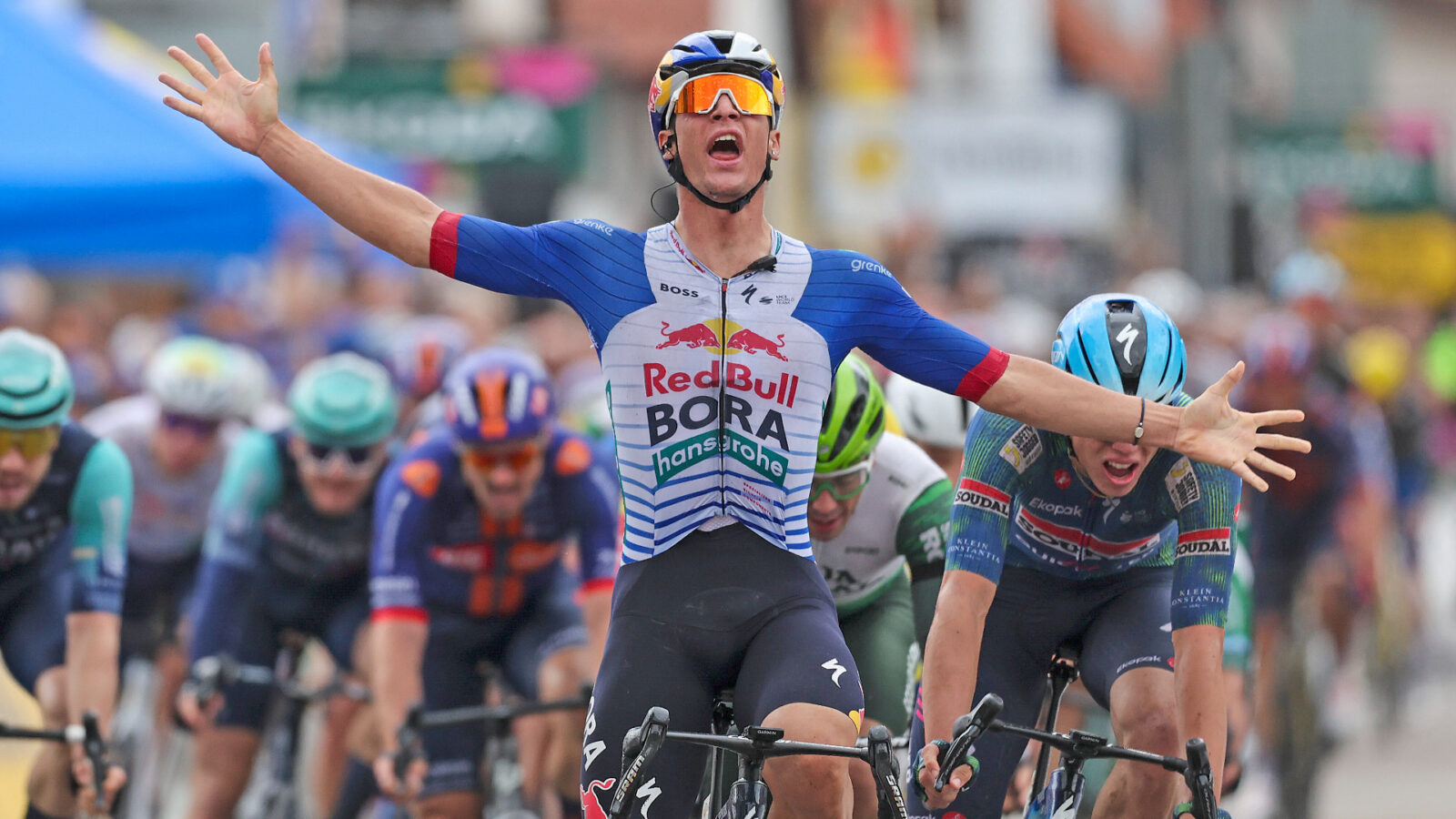
The final week once again delivered everything that had defined this Vuelta: a time trial that put Mas under pressure, aggressive mountain stages, a relentless Richard Carapaz, another strong showing from Gall – and ultimately a winner who, after numerous podium finishes in major stage races, finally stood on the top step.
Brennan dominates the sprints, Küng the time trial
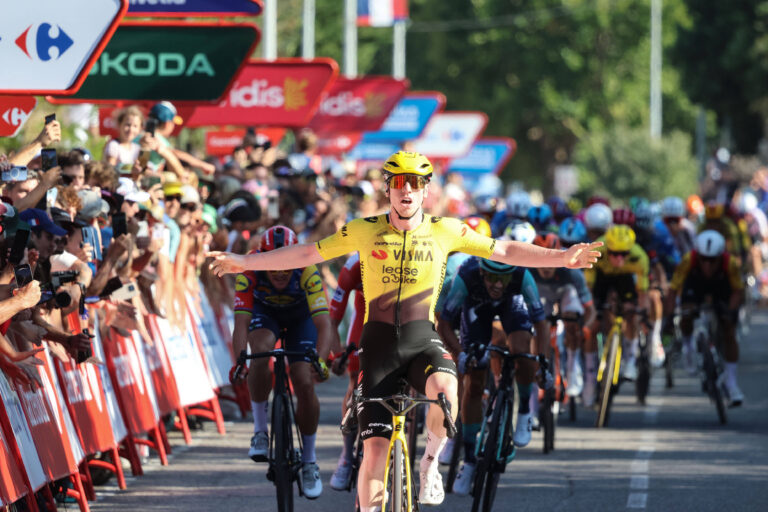
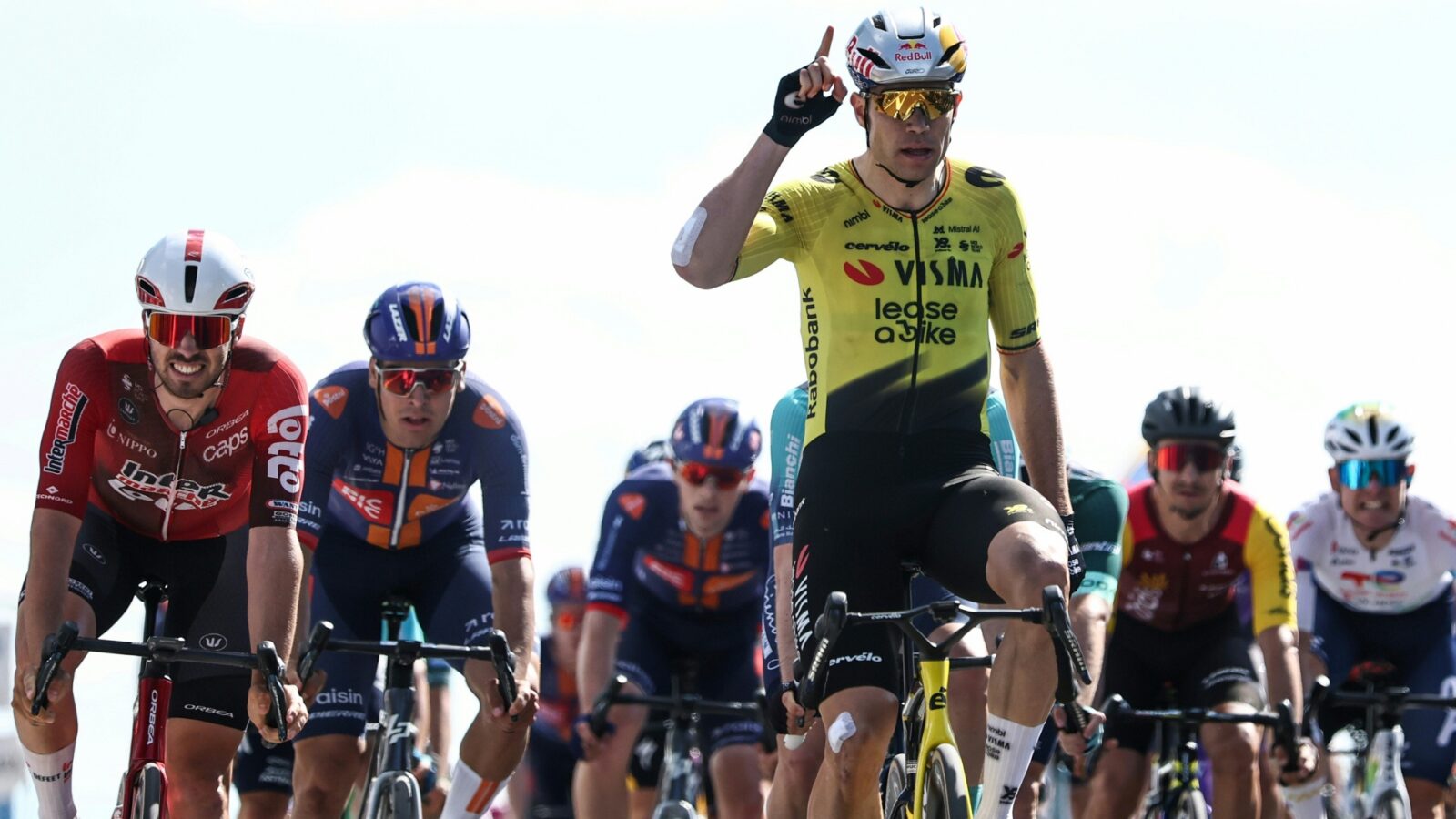
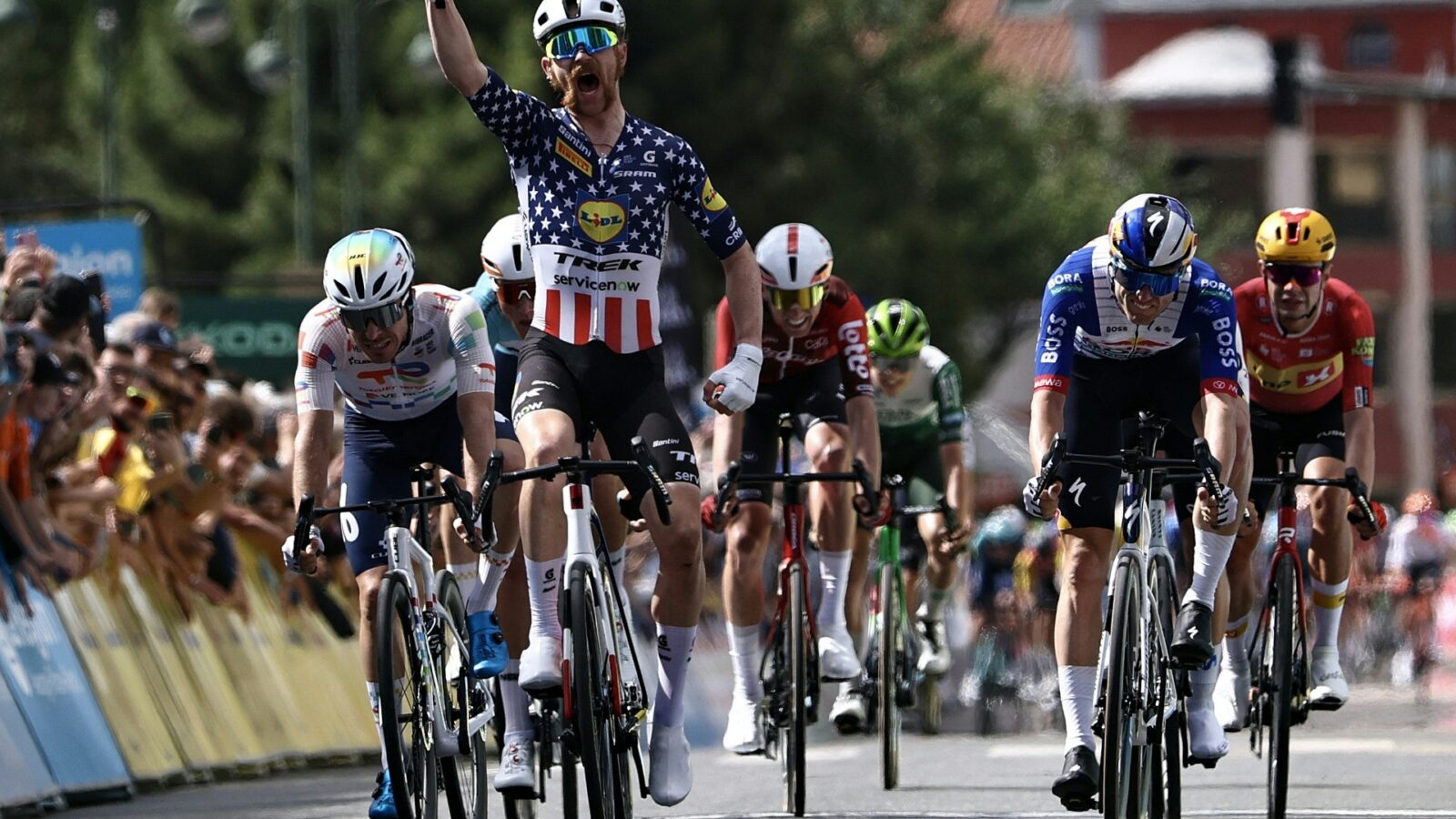
Before the decisive mountain stages, Stage 17 once again belonged to the fast men. Matthew Brennan took his fifth victory in Seville during his debut Vuelta and continued what had already become an exceptional race for the youngster. Wout van Aert delivered a perfect lead-out, while Visma-Lease a Bike had already collected seven stage wins at that point.
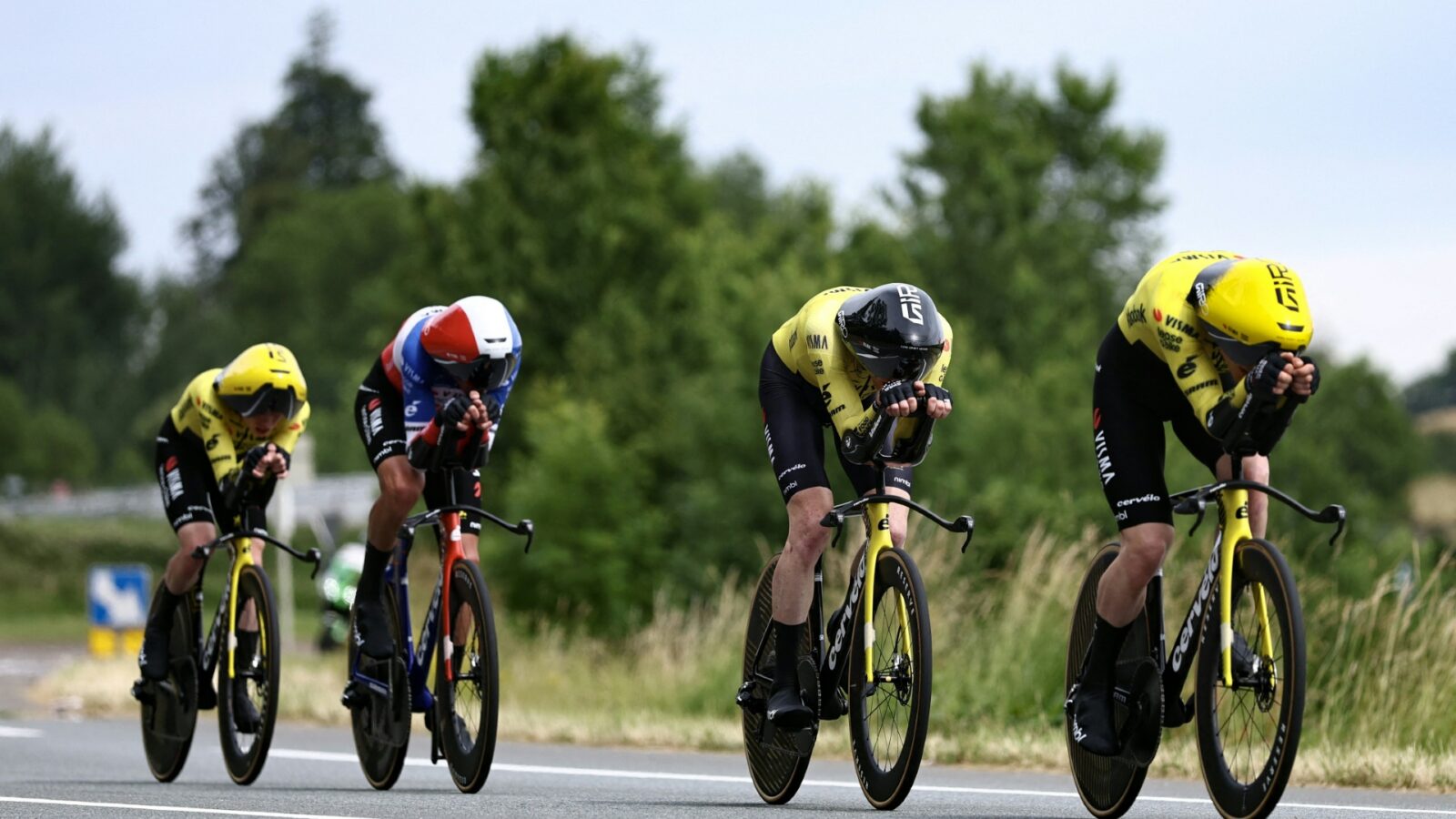
A day later, the 32.1-kilometre individual time trial between El Puerto de Santa María and Jerez de la Frontera shifted the focus firmly back to the general classification. Stefan Küng took the stage by three seconds over Callum Thornley, with João Almeida finishing third.
What happened further down the standings was even more significant. Roglič was widely considered the superior time triallist in his battle with Mas and realistically needed to take back a large portion of his deficit. In the end, he gained only 33 seconds on the Spaniard. Mas therefore retained a 1:37 advantage and negotiated the stage that had been considered his biggest potential weakness with surprising composure. Gall lost more time and slipped from second to third overall, 3:01 behind the race leader.
Dunbar wins as Mas refuses to be unsettled
Stage 19 to Peñas Blancas produced numerous attacks, but no decisive changes among the main GC contenders. Richard Carapaz launched the offensive well before the final climb, but the other overall favourites were able to keep him under control.
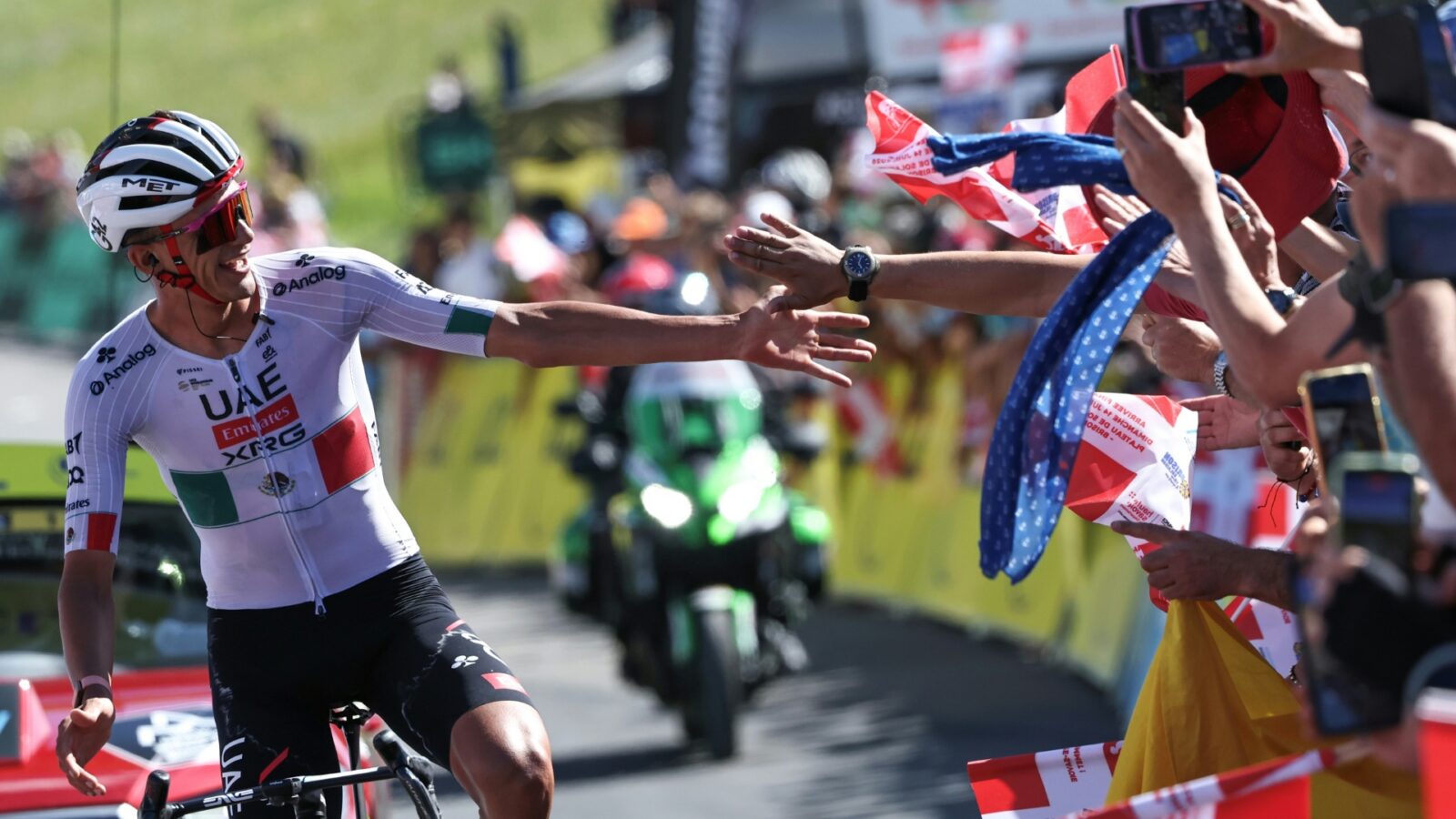
The stage victory went to Eddie Dunbar. The Irishman emerged from the breakaway and distanced Santiago Buitrago by 14 seconds on the final ascent. Mas, Roglič and Gall arrived more than five minutes later, together or separated by only a handful of seconds. For the man in red, another major danger had been successfully negotiated.
Gall attacks again on the queen stage
The final decision came on Saturday’s Stage 20. Over 186.8 kilometres, five categorised climbs and a brutal finish on the Collado del Alguacil – eight kilometres at an average gradient of 9.8 per cent – produced one last punishing day in the mountains.
Carapaz attacked repeatedly in an attempt to threaten Gall’s podium position. The Austrian, however, remained composed. On the final climb, he eventually went on the offensive himself and proved to be the strongest rider among the immediate GC contenders.
Gall gained 55 seconds on Roglič and 17 seconds on Mas. It was not quite enough to move into second place: heading into the final stage, he remained 29 seconds behind Roglič. At the same time, though, he had definitively secured third place ahead of Carapaz.
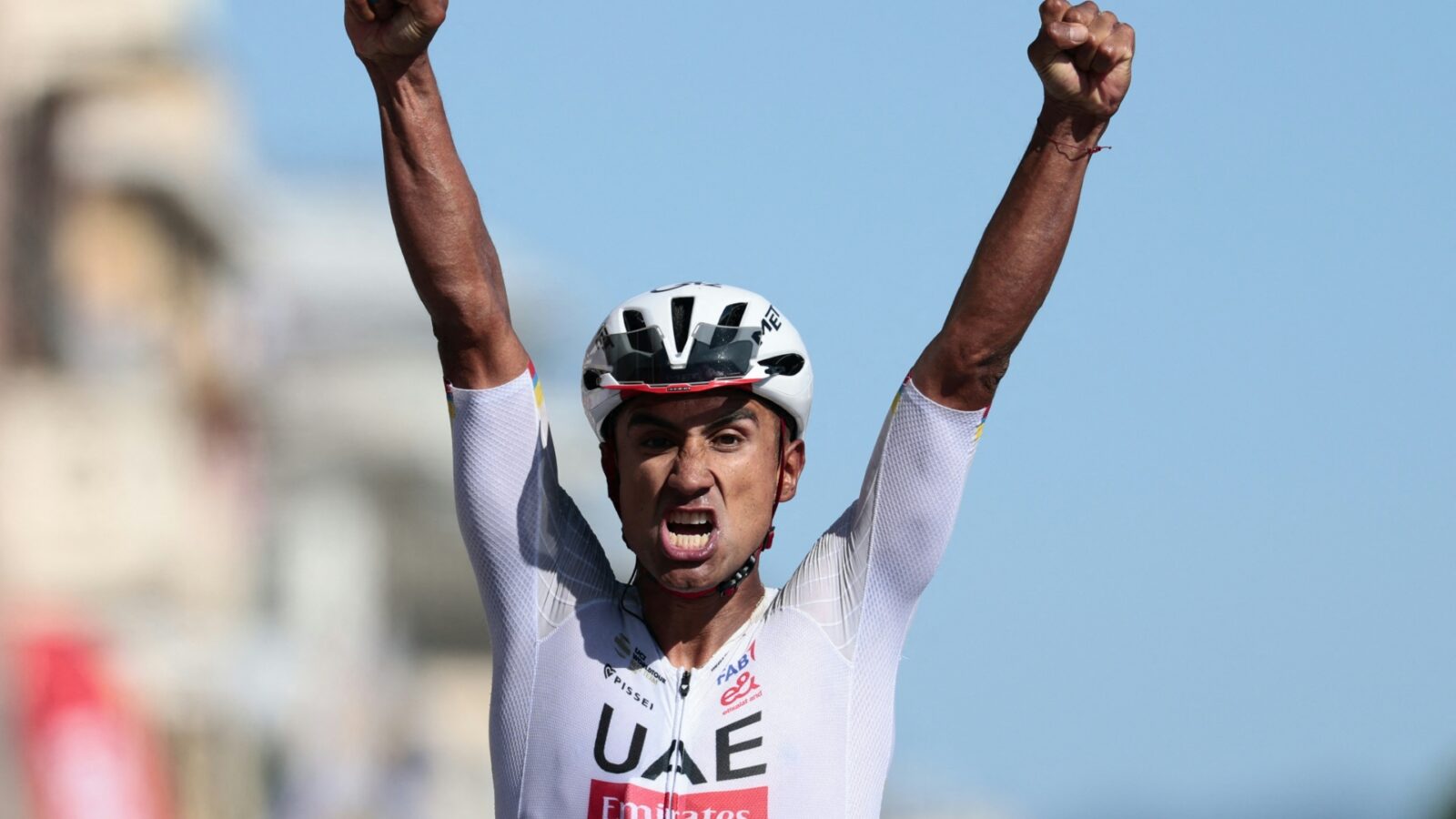
Mikel Landa took the stage win after a long breakaway. For the Basque rider, it was his first victory since 2021 – and an emotional finale to his time with Soudal-QuickStep.
Johannessen wins the finale in Granada
The final stage to Granada brought no changes to the general classification. Due to safety concerns, GC times were neutralised before the final lap of the 9.8-kilometre finishing circuit.
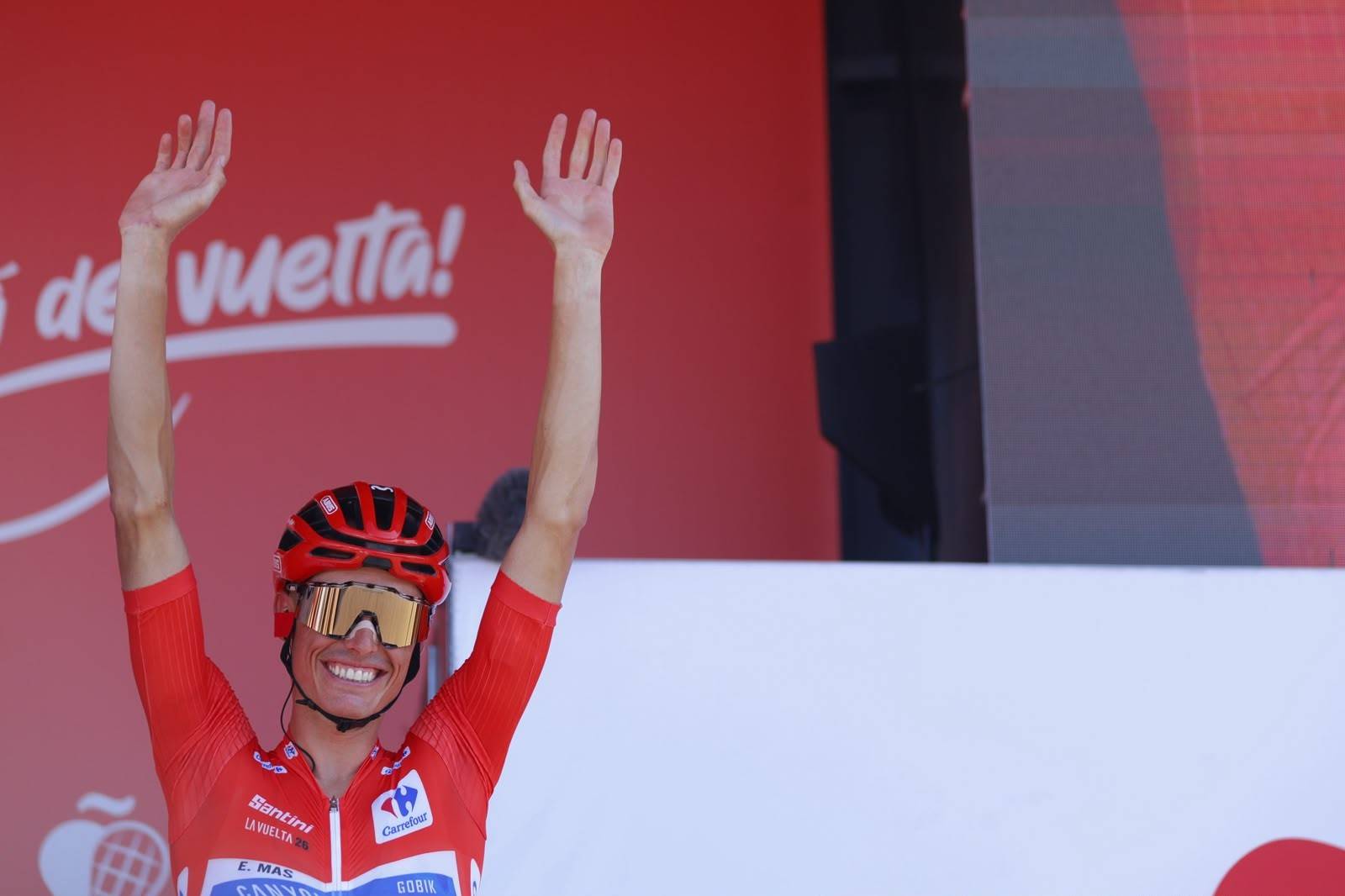
The riders still fought for the stage win, however. Tobias Halland Johannessen prevailed in a three-man group ahead of Alessandro Romele and Ramses Debruyne to claim his first victory in more than three years. Mas, meanwhile, was able to enjoy the biggest triumph of his career alongside his Movistar teammates.
After 21 stages, the Spaniard won by 2:15 over Roglič and 2:44 over Gall. Carapaz finished fourth at 6:54, while Sepp Kuss completed the top five after a strong final mountain stage.
Pogačar’s crash turned the entire Vuelta upside down
At the start of the race, it was difficult to imagine Mas ending up in this position. Pogačar began the Vuelta as the clear favourite and immediately underlined that status.
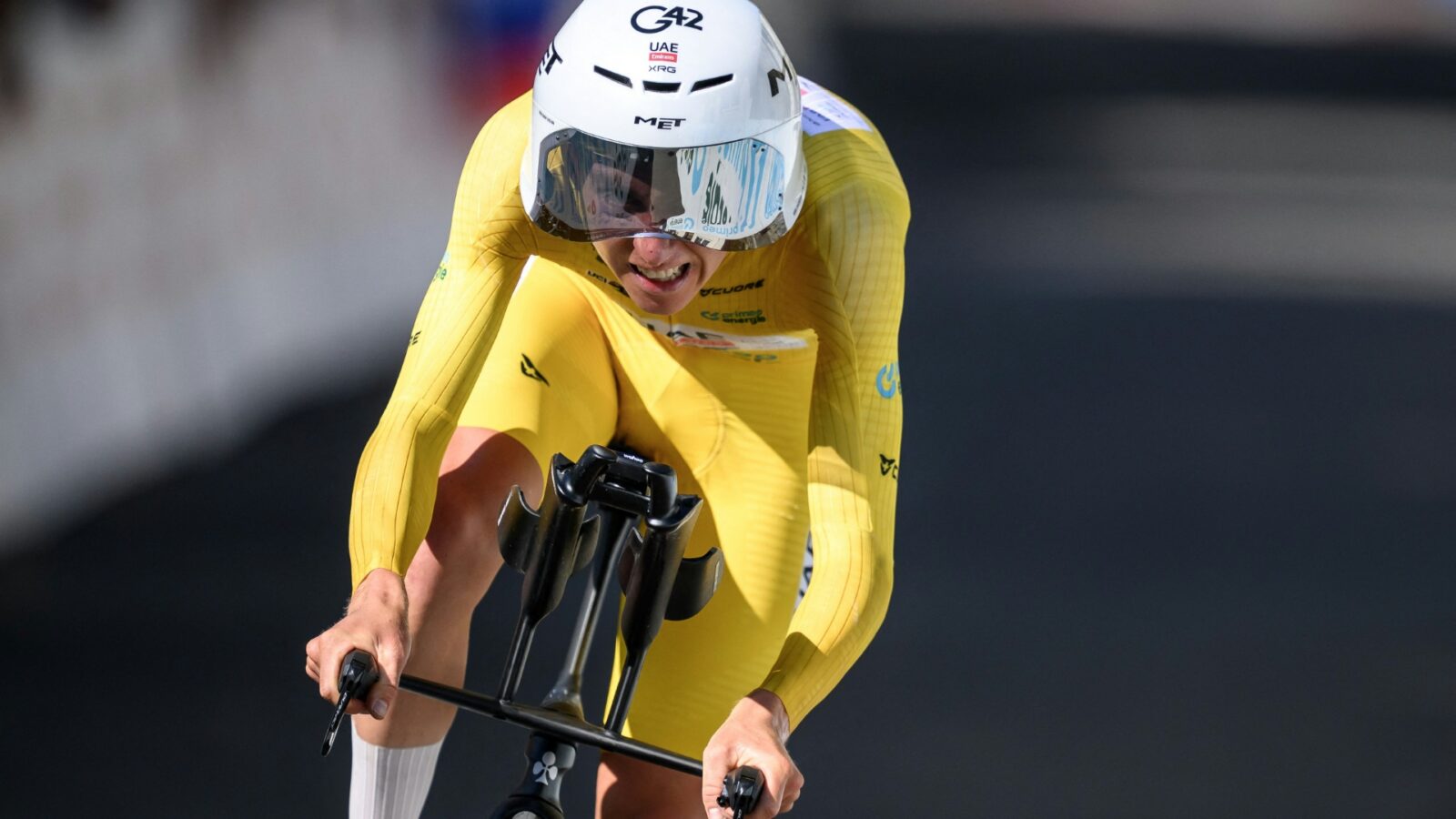
He won the opening 9.4-kilometre time trial in Monaco, albeit by just nine hundredths of a second over Ethan Hayter. On Stage 4 in Andorra came his first major show of strength. Pogačar attacked more than 50 kilometres from the finish and won by 2:39 over his nearest rivals. Two days later, he had already collected his third stage victory. Mas nevertheless showed for the first time that he could at least stay in touch on the climbs, catching the Slovenian after one of his attacks before Pogačar ultimately won the sprint.
Stage 8 changed the entire story of the race. Pogačar crashed heavily at high speed with just over 30 kilometres remaining. He suffered a concussion, a displaced fracture of the left collarbone and a stable fracture of the seventh cervical vertebra. No neurological damage was found, but the operation required on his collarbone initially had to be postponed because of the concussion.
His dream of adding the Vuelta to his Tour de France and Giro d’Italia victories – and completing the set of all three Grand Tours – was over.
Mas takes full advantage of his opportunity
Mas did not simply inherit the red jersey – he immediately showed that he was capable of defending it. On the following queen stage to Alto de Aitana, Gall attacked, Movistar responded and Mas ultimately took the stage victory ahead of Oscar Onley.
For the first time, the Spaniard opened a significant gap over the rest of the favourites. After Stage 9, he led Roglič by 1:18 and Gall by 1:39.
Mas remained remarkably consistent in the mountains from that point onwards. At Calar Alto he extended his advantage again, while on the Sierra de la Pandera only Gall was able to follow his pace. The Austrian gained 25 seconds on Roglič there and temporarily moved into second place overall.
Mas therefore did not win the Vuelta simply because Pogačar had been forced out. The Slovenian’s crash undoubtedly opened up the race, but the Movistar leader took advantage with an almost faultless performance. Above all, his time trial in the final week removed the last major doubts about whether he could hold on.
Gall confirms his world-class level over three weeks
For Felix Gall, third place represents far more than simply another strong result. The East Tyrolean was one of the most aggressive and consistent climbers throughout all three weeks and repeatedly chose to attack rather than merely defend his position in the standings.
His response to the time trial was particularly impressive. After Roglič had pushed him back to third, Gall did not simply wait for the race to finish. On the final mountain stage, he first absorbed the repeated attacks from Carapaz before launching a powerful move of his own. The fact that he was the strongest GC rider on arguably the hardest day of the final week underlined just how good his condition was.
His achievement becomes even more impressive in the context of the full season. Gall had already finished second at the Giro d’Italia, where only Jonas Vingegaard proved stronger. By adding third place at the Vuelta, he has now finished on the podium of two Grand Tours within a matter of months.
Mas was ultimately the deserved winner of a Vuelta whose original script was torn apart after eight stages. Pogačar’s crash removed the overwhelming favourite, but it also opened the door to a battle in which Mas produced perhaps the finest three-week performance of his career, Roglič relied on all his experience and Gall definitively confirmed that he now belongs among the world’s elite stage racers.