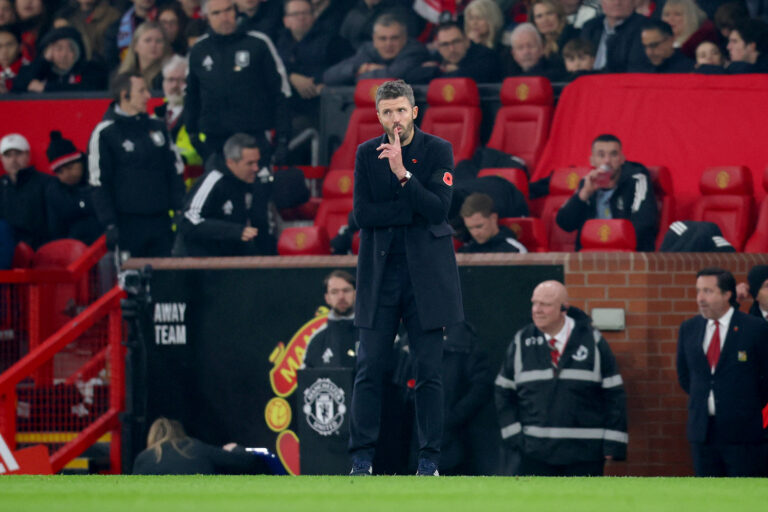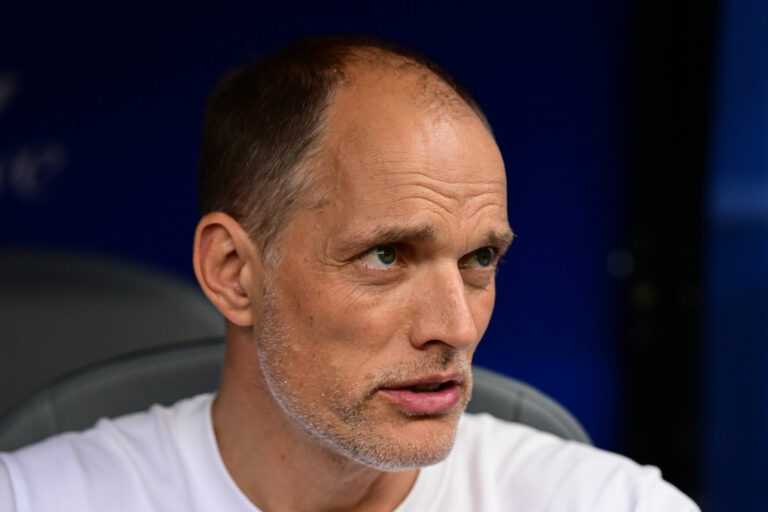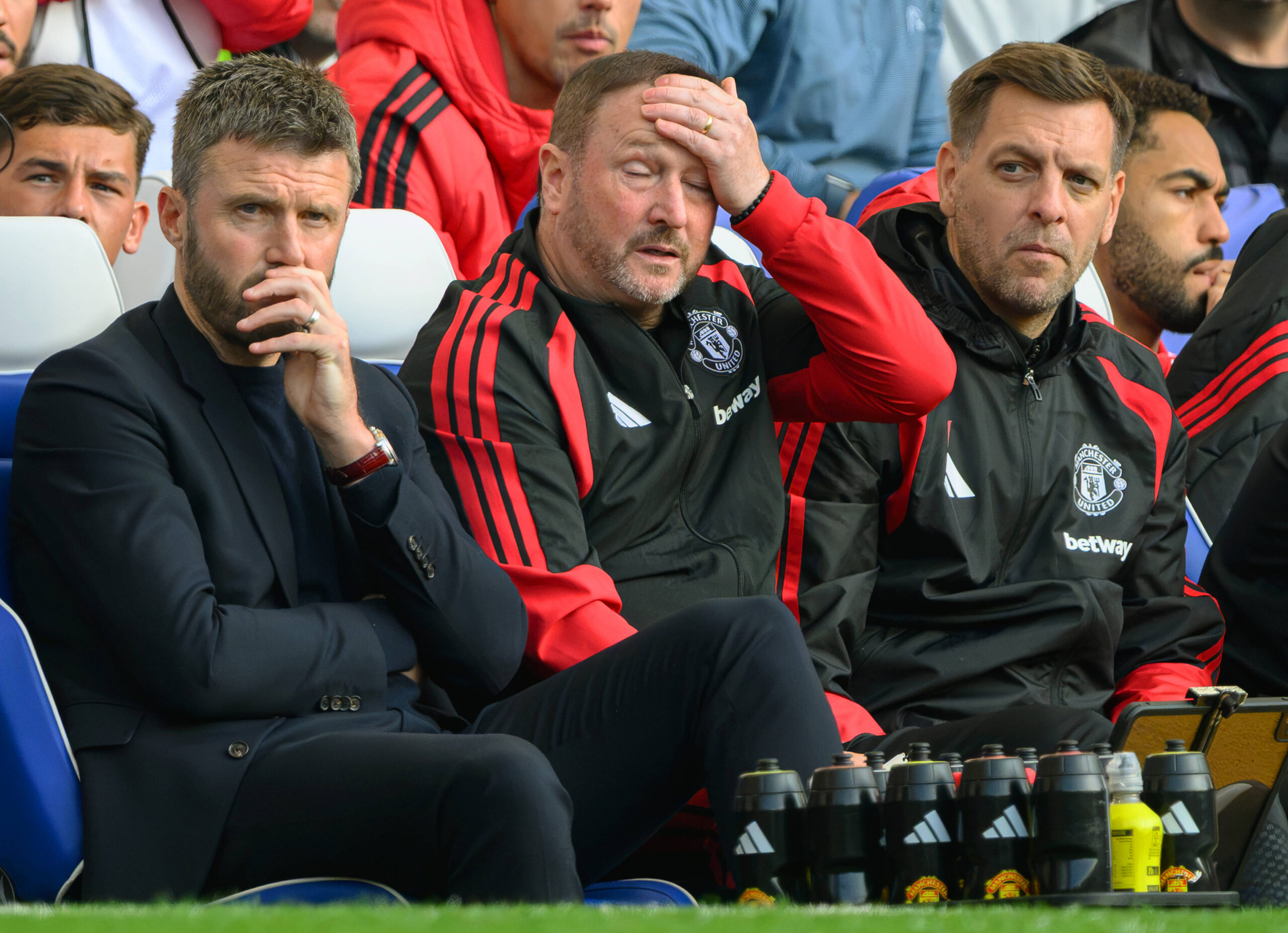
Manchester United could, and perhaps should, have been ahead at half-time at Stamford Bridge. Instead, they left London with another defeat. Chelsea manager Xabi Alonso had every reason to be pleased with his side’s second-half improvement, while his opposite number Michael Carrick finds himself under increasing scrutiny. United have now gone nine competitive matches without a victory and are drifting dangerously close to the Premier League relegation places.
United get plenty right before the break – except the finishing
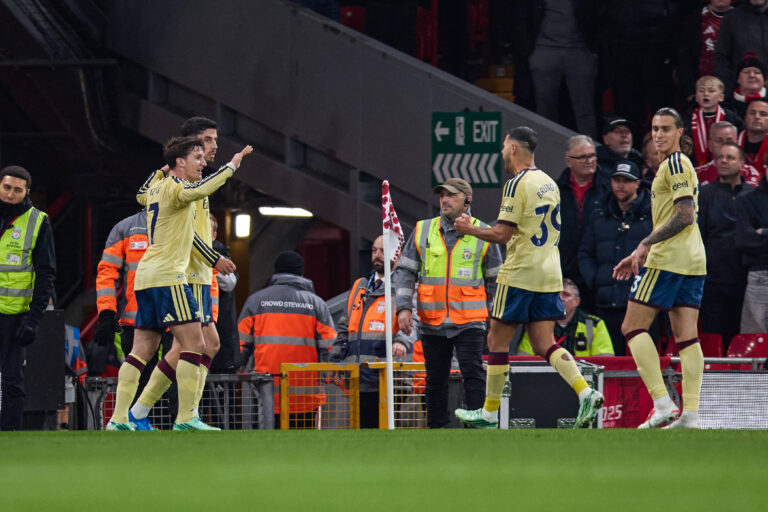
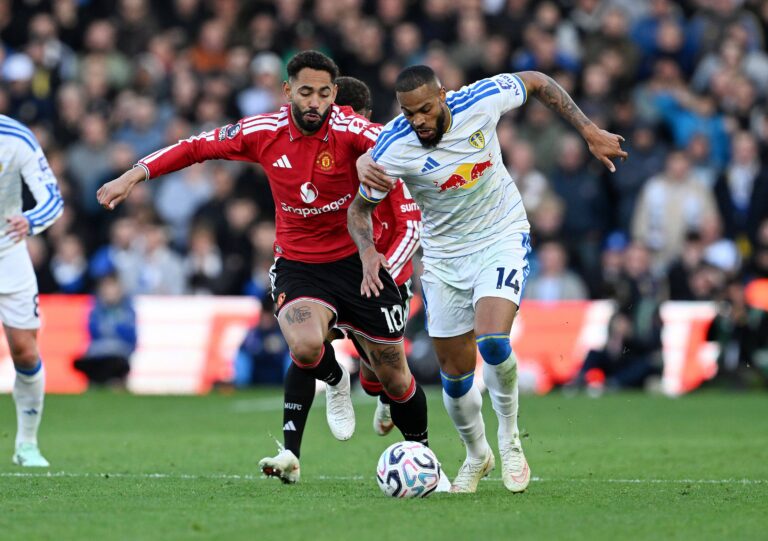
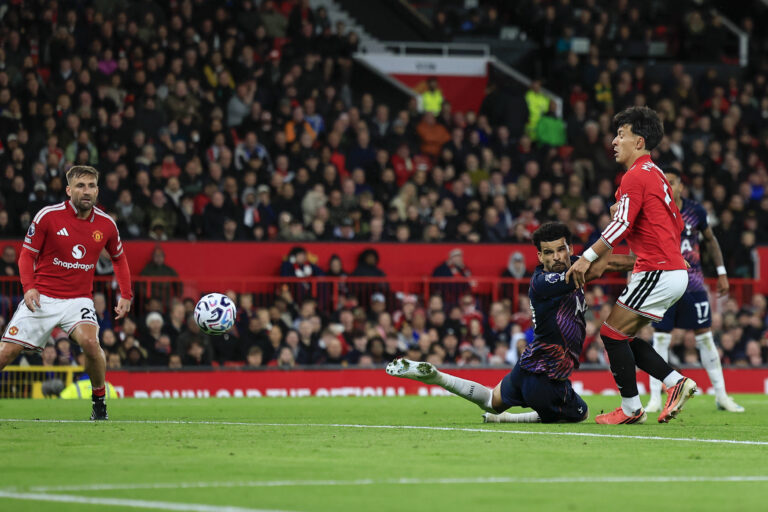
The opening stages certainly did not belong to the hosts. Chelsea enjoyed more possession, but United repeatedly found opportunities to counterattack after winning the ball, creating several dangerous situations. Bruno Fernandes, Matheus Cunha and Amad Diallo were particularly effective in unsettling the Londoners’ defence.
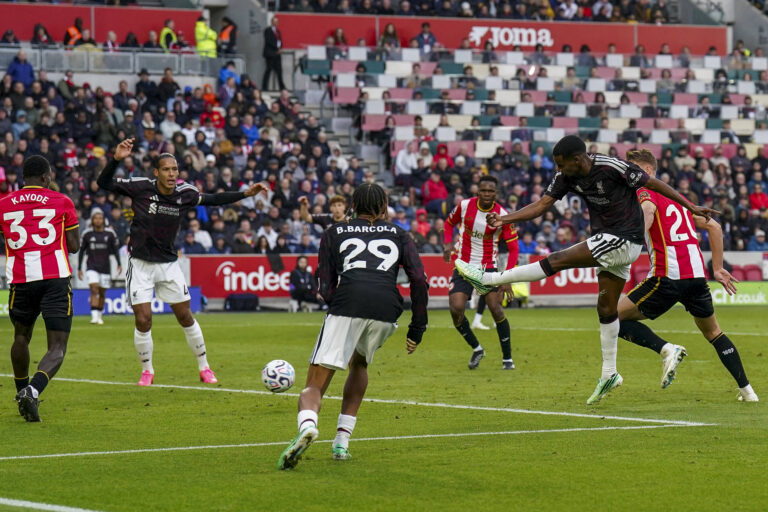
Fernandes squandered an excellent chance after a precise pass from Bryan Mbeumo, sending his effort over the bar despite being unmarked. Diallo was denied by Chelsea goalkeeper Mike Penders, while Cunha even managed to put the ball in the net from a corner. His effort was disallowed for offside, however. Chelsea also had a goal ruled out when Estêvão finished from an offside position.
The underlying numbers confirmed that United created the better opportunities before the interval. According to Opta, the visitors generated 1.09 expected goals in the first 45 minutes, compared with just 0.28 for Chelsea.
United’s biggest problem at that stage was not their ability to create chances, but their failure to convert them. Carrick’s players successfully exploited weaknesses in Chelsea’s defensive organisation, yet had nothing to show for it.
Lavia and Rogers turn the game around
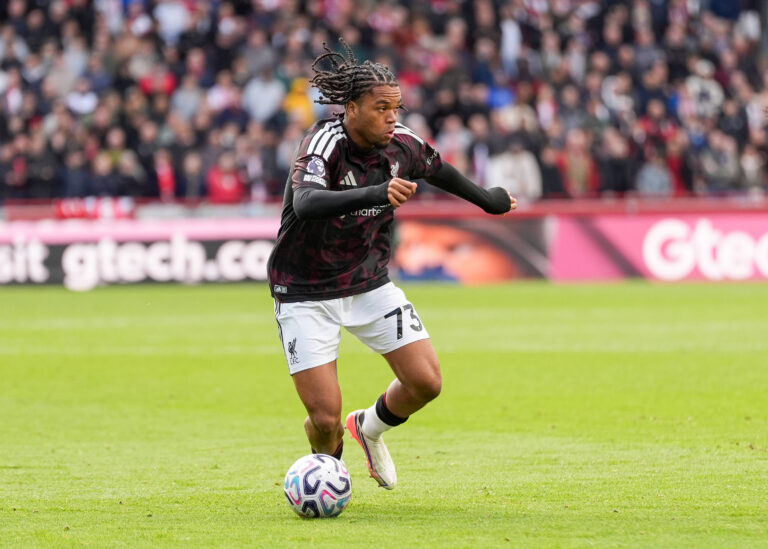
Five minutes after the restart, Chelsea demonstrated just how quickly the balance of a match can shift. Roméo Lavia won possession in midfield against Mbeumo and Carlos Baleba before immediately launching a counterattack.
Morgan Rogers took over, surged through the centre, beat Harry Maguire and Lisandro Martínez and lifted the ball over goalkeeper Senne Lammens to open the scoring.
The move exposed United’s defensive shortcomings. There was insufficient cover behind midfield when possession was lost, and neither centre-back managed to close Rogers down or significantly slow his run.
Lavia’s contribution went far beyond his involvement in that single attack. The Belgian recovered possession 14 times against Manchester United. According to Opta, no Chelsea player had reached that figure in a Premier League match since January 2023. His tackling ability was complemented by intelligent positioning, helping Chelsea dictate the tempo in midfield and disrupt United’s transitions after the break.
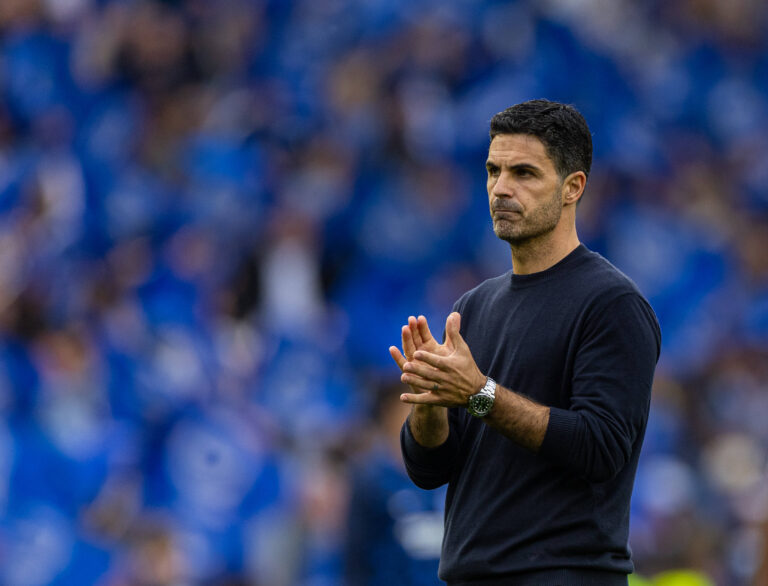
“From a midfielder’s point of view, that was an absolutely top-class performance,” Alonso said in praise of Lavia afterwards. The Chelsea manager highlighted his decision-making, dynamism and determination.
Martínez’s dismissal leaves United with no way back
Chelsea gradually took control after breaking the deadlock. The hosts maintained a more compact shape, occupied central areas more effectively and forced United to spend longer periods defending deep in their own half.
The defining moment arrived in the 63rd minute. Martínez, who had already been booked, caught Wesley Fofana in the face with his arm during a corner. Following a VAR review, referee Peter Bankes awarded Chelsea a penalty and showed the Argentine a second yellow card.
Cole Palmer converted from the spot to make it 2-0. With United both two goals behind and down to ten men, a comeback looked increasingly unlikely.
The contrast between the two halves was striking. After the interval, Chelsea generated chances worth 2.33 xG, while United managed just 0.08. Across the full match, the Londoners enjoyed 59 per cent possession and registered 18 shots.
Alonso appeared to have made the right adjustments at half-time. Chelsea defended as a more cohesive unit, won more second balls and found forward passing options more quickly after regaining possession. The positional rotations involving Rogers, Palmer and Estêvão also caused persistent marking problems for United.
“For the first 15 minutes of the second half, we had good control of the game. We were better connected and had a good balance,” Alonso explained.
Carrick’s problems run much deeper
The defeat cannot be attributed solely to Martínez’s dismissal. United’s defensive organisation had already been exposed for Chelsea’s opening goal, and this was not the first occasion on which an otherwise promising performance unravelled within a matter of minutes.
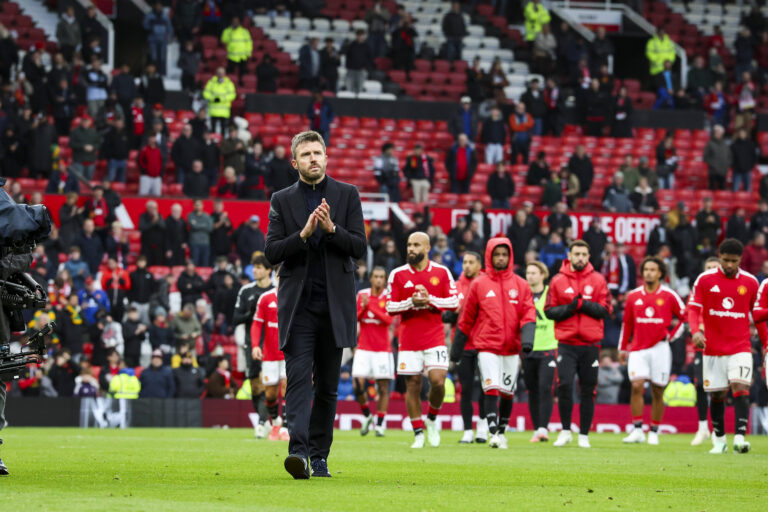
Carrick admitted afterwards that his team had struggled to find their rhythm following the restart. United had looked dangerous in the first half, he acknowledged, but things subsequently fell apart.
The return of Bruno Fernandes to the starting line-up had initially provided a welcome boost. United looked considerably more threatening going forward than in their recent defeats. Yet poor finishing, inadequate defensive cover after losing possession and Martínez’s lack of discipline ultimately cancelled out that improvement.
Chelsea, meanwhile, celebrated their first Premier League home victory accompanied by a clean sheet in 13 matches. Rogers, who now has six goals and four assists across all competitions this season, further underlined his importance to Alonso’s attack.
The two clubs now face very different challenges. Chelsea travel to Sunderland on November 8, looking to build on their rise into the Premier League’s leading group and develop greater consistency.
Manchester United host AS Roma in the Champions League on Tuesday before welcoming Aston Villa to Old Trafford. Carrick must find a solution to his team’s defensive lapses. A side that repeatedly undermines promising spells of football through its own mistakes will struggle even against supposedly less demanding opposition.